by California Casualty | Auto Insurance Info |
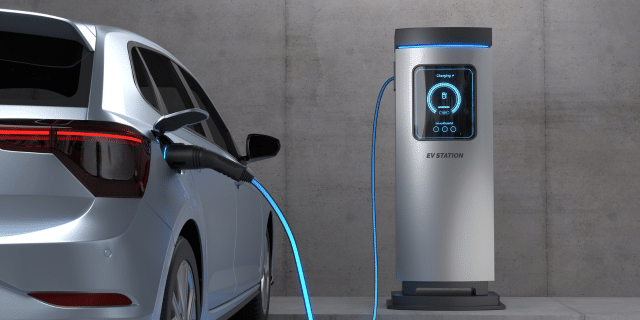
Thinking about going green with your next vehicle? Hybrid and electric cars both offer fuel savings and eco-friendly benefits, but which one is the better fit for your lifestyle? From driving range to charging convenience—and even how they handle in different weather conditions—we’ll break down the pros and cons to help you decide.
What’s the difference?
- Hybrid Vehicle: A hybrid car has a gasoline engine and an electric motor. The gas engine and battery-powered motor work together to improve fuel efficiency and reduce emissions. Hybrids don’t need to be plugged in because they recharge the battery while you drive.
- Electric Vehicle (EV): An EV runs entirely on electricity. It has no gas engine—just a battery and an electric motor. EVs need to be plugged in to charge, and they produce zero emissions, making them an eco-friendly choice.
Pros and Cons
Let’s take a deeper dive and explore the pros and cons of each, including how they fare in extreme weather.
Hybrid Vehicles
Pros
- Better Fuel Efficiency – Hybrids use less gas than traditional cars, saving money at the pump.
- No Charging Required – The battery recharges while you drive, so there’s no need to plug it in.
- Smoother, Quieter Ride – The electric motor helps reduce engine noise and provides a seamless driving experience.
- Longer Driving Range – Since hybrids use both gas and electricity, you won’t have range anxiety like with some EVs.
In Extreme Weather…
- Quick Warmup – A hybrid may be safely driven with only a short warmup—about a minute in cold weather.
- Less Affected by Cold Weather – Since hybrids have a gas engine, they don’t rely solely on battery power, which helps maintain performance in freezing temperatures.
- No Need for Charging – Unlike EVs, hybrids don’t depend on charging stations, which can be slower or less available in extreme conditions.
- Consistent Range – Cold or hot weather has less impact on a hybrid’s driving range compared to a fully electric vehicle.
Cons
- Less Fuel Savings Than an EV – Hybrids still rely on gas, so it’s not as cost-effective as a fully electric vehicle in the long run.
- More Maintenance Than an EV – Since hybrids have both an engine and a battery system, they require more maintenance than an all-electric car.
- Battery Replacement Costs – The hybrid battery can be expensive to replace, though it usually lasts many years.
In Extreme Weather…
- Reduced Fuel Efficiency in Cold – The gas engine runs more often in low temperatures, slightly lowering fuel economy.
- Battery Performance Can Drop – While not as noticeable as in EVs, extreme cold can still reduce battery efficiency.
- Hot Weather Can Strain the System – High temperatures may cause the battery and engine to work harder, potentially leading to wear over time.
Electric Vehicles
Pros
- Zero Emissions – EVs don’t burn gas, making them the most eco-friendly option.
- Lower Operating Costs – Charging is often cheaper than fueling up, and there’s no need for oil changes or many traditional maintenance
- Quiet and Smooth Ride – Electric motors make EVs nearly silent and provide instant acceleration.
- Fewer Moving Parts – Less wear and tear means fewer repairs compared to gas or hybrid cars.
- Incentives and Tax Credits – Many EV buyers qualify for government rebates and incentives, reducing the purchase cost.
In Extreme Weather…
- Instant Start – EVs don’t have traditional engines that require oil or warming up, so they start instantly, even in freezing temperatures.
- More Efficient in Stop-and-Go Traffic – Unlike gas-powered cars, EVs don’t waste energy idling, making them efficient in winter traffic jams.
- Preconditioning Helps – Many EVs allow you to warm up or cool down the car while plugged in, reducing the impact on battery life.
Cons
- Higher Upfront Cost – EVs can be more expensive than gas or hybrid cars, though prices are improving.
- Limited Range – Some EVs can’t travel as far on a single charge as a gas or hybrid car can on a full tank.
- Charging Time – Even fast charging takes longer than a quick stop at a gas station.
- Charging Infrastructure – Public charging stations aren’t as common as gas stations, and home charging requires special installation.
- Crash-related fires – Should a crash occur, and damage the battery, it could spark a fire. EV fires are much harder to control than those of gas-powered vehicles.
In Extreme Weather…
- Cabin heat – It takes a lot of battery to warm the cabin. It’s better to warm the cabin while the car is still plugged in for about 5-10 minutes. Otherwise, you’ll reduce your driving range significantly.
- More HVAC Impact – Heating and cooling the cabin draws power from the battery, further reducing range.
- Reduced Range in Cold Weather – EVs can lose 10–36% of their range in freezing temperatures because the battery works harder.
- Slower Charging in the Cold – Charging times increase in low temperatures, making it less convenient for road trips.
- Hot Weather Can Overheat Batteries – High heat can degrade battery life over time and make charging less efficient.
Both hybrids and EVs typically cost more to repair than gas-powered cars due to specialized parts and technology (like battery systems). This can lead to higher insurance premiums. Talk to your insurer about a policy that’s right for your budget and needs.
This article is furnished by California Casualty, providing auto and home insurance to educators, law enforcement officers, firefighters, and nurses. Get a quote at 1.866.704.8614 or www.calcas.com.

by California Casualty | Auto Insurance Info, Helpful Tips |
Your car is more than just a mode of transportation; it’s a companion on life’s journey. But like any good friend, it needs a little care to keep it going strong. Whether you’re a road trip enthusiast or someone who relies on their wheels for daily commutes, extending the life of your vehicle makes sense. So, buckle up as we explore some simple yet effective ways to make your car last longer.
Ditch the heavy keychain.
When you put the key into the ignition, a heavy keychain can drag it down. That puts pressure on the tumblers inside the ignition. Over time, that can cause the ignition switch to fail. If your car keys share space with lots of other keys, consider a car-only keychain.
Watch for this warning sign: your key sticking in the ignition when you turn on the car. Get the ignition replaced before it leaves you stranded.
Use your parking brake.
The parking brake has an important job: to keep your car from rolling when parked. However, you don’t just need a parking brake on an incline; you need it whenever and wherever you park. Parking brakes help take the stress off the transmission. In addition, if not used, your parking brake can corrode over time. This can lead to expensive repairs. So, engage that parking brake whenever you park.
Don’t idle in the driveway.
It’s not a good idea to idle your car for long periods of time. Not only does it waste gas, but it can also do some damage. During idling, the oil pressure may not send oil to every part of the engine. The engine also won’t operate at its peak temperature. That means there could be incomplete fuel combustion, soot deposits on cylinder walls, contaminated oil, and damaged components.
Be mindful of moisture.
Moisture can do a lot of damage to your vehicle. Water that seeps into your car’s body panels can cause rust. Extreme heat and humidity can reduce your car’s battery life. Moisture inside your car can also lead to mold and mildew. Finally, salt water can damage your car’s paint. Don’t drive through water, which can expose your undercarriage to unnecessary moisture. Clean corroded battery terminals if you live in humid areas. Make sure to keep your car dry and as cool as possible during the hot, humid months to avoid expensive future repairs.
Change the oil and the air filter.
If your oil is dirty, it can affect the components in your engine. Without proper oil changes, your engine could seize up, which will cost you more than nearly any other car repair. Most manufacturers suggest changing the oil every 5,000-7,500 miles. Newer vehicles will alert you when you need an oil change. You also need to change the air filter, although not as often as the oil. The air filter removes dirt and debris, which also can harm your engine. Change your air filter every 15,000 to 20,000 miles.
Help your tires wear evenly.
Tires naturally wear down over time. Keep them working well by inflating them at the recommended pressure. That will help prevent blowouts. Tires also wear unevenly; that’s why it’s important to rotate them every 6 months or 6,000-8,000 miles. Otherwise, your tires will wear out faster and have to be replaced.
Wash your car.
Cars get dirty, and that dirt buildup is more than cosmetic. It can slowly destroy your paint, which can lead to rust. That’s why washing your car is important. How often depends on the weather, whether you park outside, and if your car is exposed to pollen, bugs, sap from trees, salt on winter roads and more. Wash biweekly or as needed and wax every month or so.
Prevent pests.
If you leave food and wrappers in your car, you could attract mice and bugs. They in turn can do damage that requires repairs. Clean up all food items, wrappers, and containers. Block broken seals or holes where they can get in. If you suspect pests, have your upholstery professionally cleaned.
Protect the interior.
Leather can become dry and brittle after years of exposure to the sun. Apply a conditioning solution routinely to help prevent cracks and keep seats in good condition. Use a windshield shade to help slow upholstery fading.
Don’t fill your tank if you see the tanker.
Gasoline tankers can stir up sediment as they refuel the tanks at gas stations. That could cause you to get dirty gasoline, which can clog your fuel filter or fuel injector. Avoid filling up at a station when it is being filled by a tanker. You’ll avoid a potential expensive repair.
Avoid bad driving habits.
Certain driving habits can reduce the lifespan of your car. Don’t brake hard all the time, it can lead to deterioration of your brake pads. Don’t turn at high speeds; that’s hard on your tires. Don’t strongly accelerate when the engine is cold. Don’t rev your engine when your car isn’t properly warmed up. Avoid potholes and running over curbs which can harm your tires. Good driving habits can help reduce the need for expensive repairs.
Pay attention to maintenance lights.
Don’t skip routine maintenance. It may cost you now but save you money in the long run.
If you have a newer car, it will let you know when it needs service. When the maintenance light is on, schedule your appointment. However, you can look out for things, too. If you hear an unusual noise, take your car in. Watch for puddles under your car. It’s better to get ahead of potential problems than to pay for them as they become big issues.
Keep your car protected.
You may do everything right but accidents still happen, including some that could total your car. Your car is one of your greatest investments. Protect it with the right auto insurance for added peace of mind.
Check out our blog on Pro Tips to Keeping Your New Car Ageless for more tips.
This article is furnished by California Casualty, providing auto and home insurance to educators, law enforcement officers, firefighters, and nurses. Get a quote at 1.866.704.8614 or www.calcas.com.

by California Casualty | Auto Insurance Info, Firefighters, Nurses, Peace Officers |
The winter season is a season of joy, celebration, and togetherness for many of us. For first responders — police, firefighters, nurses, paramedics – this time of year looks very different.
Winter is the time when emergencies increase. Icy conditions cause accidents. There are more heart attacks in cold temperatures. House fires are more common. Thefts are too. All of this keeps first responders working hard, and often extra hours. That means they sacrifice time with their own families to keep us safe.
Here are some thoughtful ways to show appreciation to our local heroes this holiday season and throughout the year. Remember, the key is to express genuine gratitude and to make these gestures personal and heartfelt.
Deliver some holiday cheer.
Make or buy some food or treats. Drop off coffee for the morning shift. Include donuts or pastries. A soft pretzel or cookie tray is always fun, and a homemade hot meal goes a long way. You also can drop off gift cards to local restaurants. Include cash to cover delivery fees and tips.
Bring a basket.
It’s cold out there. Put together an appreciation basket that includes the things that will make life easier for first responders doing their jobs this winter. Consider hand warmers, ChapStick, hand lotion, cough drops or hard candy, tissue packs, hot cocoa packets, and tea bags. Discover some more ideas in our blog on a winter survival kit.
Send notes and pictures.
Encourage your family and friends, especially children, to create handmade thank-you cards expressing appreciation for the hard work of first responders. Collect these cards and deliver them to the local police station, fire department, or hospital. Don’t forget that a personal handwritten note by anyone of any age is always appreciated.
Share your gratitude.
Write a letter to your local newspaper, sharing a positive story about the service provided by first responders in your community. Use social media platforms to thank your local first responders. Your positive stories can inspire others to express their gratitude as well.
Host a community appreciation event.
Coordinate a community gathering or event to express gratitude. This could be a small ceremony, a casual get-together, or a potluck dinner where community members can interact with first responders in a relaxed setting.
Offer your skills or services.
If you have a skill or service that could benefit first responders, consider offering it as a token of appreciation. This could range from providing free maintenance services to organizing a free workshop on stress management or well-being.
Support first responder charities.
Contribute to charities or organizations that support the well-being of first responders. This could involve monetary donations, volunteering your time, or organizing a fundraising event to benefit these essential workers.
Collaborate with local businesses.
Partner with local businesses to offer discounts or special promotions for first responders, police, firefighters, and nurses. Not only does this show appreciation but it also supports local businesses.
Volunteer at the station.
Offer your time by volunteering at the local police station, firehouse, or hospital. This could involve helping with administrative tasks, organizing events, or simply being a supportive presence.
This article is furnished by California Casualty, providing auto and home insurance to educators, law enforcement officers, firefighters, and nurses. Get a quote at 1.866.704.8614 or www.calcas.com.
by California Casualty | Auto Insurance Info, Safety |
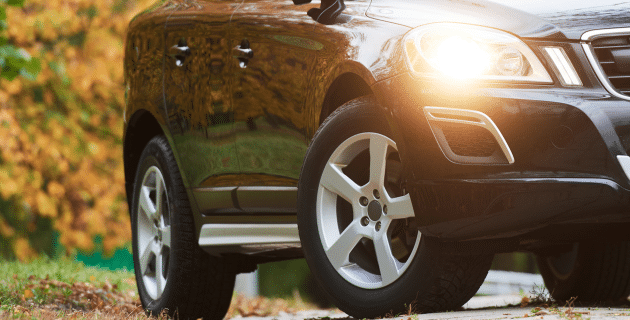
The nights are getting longer. That means your headlights are more important than ever. Keeping them clean and in good working order will help you stay safe. Follow this guide to keep your headlights shining bright and sparkling like new.
Why are clean headlights important?
You might think that foggy headlights don’t make that much of a difference. In reality, their light can be dangerously dim. Foggy headlights emit only about 20% of the light that new headlights do, according to AAA. Not only is that a problem at night, but cloudy headlights can limit your visibility in rain and fog, too. It is just as important to replace your headlights as it is to replace your windshield wipers.
What causes headlights to wear out?
Most headlights today are made of thick plastic. While these lenses are more scratch-resistant than glass and can last a long time, their surfaces do wear out. The sun’s UV rays cause the lenses to oxidize, which creates microscopic cracks and yellowing. That impacts the quality of light they can emit. A car wash won’t be able to clean this type of damage.
Pro Tip: You can help limit your headlights’ exposure to UV rays and slow the yellowing process. Park in a cool, dry place that is away from direct sunlight. Consider a protective cover for your vehicle. Park your car inside whenever possible.
Every vehicle is different, and some methods work better than others.
There are a variety of ways to clean your car’s headlights. You can do many of them with supplies you already have around the house. Depending on your vehicle, you will find that some methods work better than others so feel free to experiment.
How to Clean Your Headlights
Start with a clean surface. Headlights pick up dirt, grime, and dust. Before you dive into the deep cleaning, you want to remove that debris. Here are several ways to do so. (You just need to choose one method for the initial clean; you won’t want to do them all.) Remember to wear latex gloves to protect your skin.
- Soap and water: Use car wash soap that is made for plastic headlight lenses. Mix one part of the soap with two parts of water. Put the mixture in a spray bottle. Spray it directly onto your headlights and then wipe it off with a microfiber cloth.
- Use a specialized cleaner such as bug-and-tar remover. Spray it on your headlights. Let it sit for a few minutes, and then wipe it off with a sponge or microfiber cloth.
- Try rubbing alcohol. Dip a soft cloth into the alcohol and then gently scrub the headlights. Rinse with water.
Protect your vehicle’s paint. It’s a good idea to cover the painted finish around each headlight so that you don’t damage your car’s paint. Use a tape without a strong adhesive. Painter’s tape works well.
Method #1: Using a Restoration Kit
You can buy headlight restoration kits at your local auto shop. These kits come with sandpaper that help you to gently remove the microscopic cracks.
- Start with the roughest piece of sandpaper in the kit.
- In between sanding, keep headlights wet using water in a spray bottle.
- Repeat with the next coarsest sandpaper and continue to the finest one.
- Clean your headlights with soap and water. Use car soap made for headlights.
- Seal with a clear coat if the kit includes one.
Method #2: Vinegar and Baking Soda (or Toothpaste)
Common household supplies like vinegar and baking soda are effective cleaners. Alternatively, you can use toothpaste with baking soda. Just make sure the toothpaste does not have flavor crystals which can scratch the surface. Here’s how to use them to clean your headlights.
- Mix up a paste of baking soda and vinegar. Use two-parts distilled white vinegar to one-part baking soda. (You also can use toothpaste without the vinegar instead.)
- Apply the mixture using a microfiber cloth. Rub it on each headlight. Then let it dry.
- Wipe it off with a clean microfiber cloth.
- Rinse with water.
Method #3: Window Cleaner or WD-40
Chemical agents like glass cleaner and WD-40 also can do the job.
- For window cleaner, spray a generous amount onto your headlights. Let it soak in. Then, use a microfiber cloth to wipe it down.
- For WD-40, apply it with a clean, soft cloth. Rub it firmly in a circular manner. Rinse with car soap and water when you are done.
- Apply a car polish using a clean cloth to help protect the surface.
Method #4: A Quick and Temporary Fix
You can help fill in the microscopic cracks and scratches with petroleum jelly or olive oil.
- Put a coin-sized amount petroleum jelly or olive oil on a microfiber cloth.
- Rub it into your headlights.
- Do not rinse. The thin layer will coat your headlights but will disappear the next time it rains.
If you cleaned your headlights and it didn’t help:
- Check their alignment. Consult your owner’s manual on how to adjust your headlights or bring them to a professional.
- Check the inside if the headlight. Dissemble your headlight and use car soap and water or glass cleaner to clean the inside. Make sure to completely rinse and wipe away any liquid. Any residue can be heated by the powerful bulbs.
How to Change Your Headlights
Most new cars have LED headlights which can last the lifetime of the vehicle. However, if you have an older car, you will need to change your headlight bulbs. There are different headlight setups, with the most common being the twist and lock and the spring clip. Check your owner’s manual to see which one you have. Remember to replace bulbs in pairs. If one bulb went out, chances are the other is likely to go out soon.
Directions
- Make sure your car is turned off. Open the hood.
- Disconnect the negative ground cable from the battery.
- Look for the headlight connection. Disconnect the wires from the headlight bulb.
- For at Twist and Lock:
- To pull the bulb out, you will need to push the tab and twist the headlight counterclockwise.
- To install the new bulb, you will need to put it in and twist it clockwise until it locks.
- For a Spring Clip:
- Press the spring to release the bulb. Then pull it out.
- Put the new bulb in and lock it in place.
- Reconnect the wires to the headlight.
- Reconnect the negative ground cable to the battery.
- Close the hood.
Halogen Bulbs
Note that classic cars may use a sealed-beam halogen bulb. You can’t replace these bulbs. You must replace the entire headlight housing.
- Make sure your car is turned off. Open the hood.
- Disconnect the negative ground cable from the battery.
- Find the headlight housing and unplug the wires for the blinker and headlight.
- Disconnect any electrical connections from the back of the housing.
- You will need a screwdriver to loosen the bracket on the housing and remove it.
- Replace it with the new housing.
- Reconnect the housing to the headlights and blinker.
- Reconnect the negative ground cable to the battery and close the hood.
Your car is one of your greatest investments. Keep your car well maintained and protect it with the right insurance. Safe travels.
This article is furnished by California Casualty, providing auto and home insurance to educators, law enforcement officers, firefighters, and nurses. Get a quote at 1.866.704.8614 or www.calcas.com.
by California Casualty | Educators, Firefighters, Health, Nurses, Peace Officers |
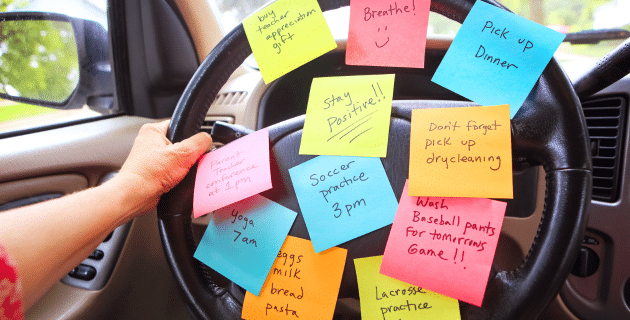
Before we know it, we’ll be going from relaxing summer days to busy fall schedules. With school, sports practices, extracurricular activities, meetings, and more, it can easily become overwhelming.
We’ve researched some effective ways to take control of our busy schedules. Follow these tips and, hopefully, you’ll find some much-needed time for yourself, too.
Stay on top of the little things so they don’t create last minute rushes.
Stop for gas before the tank is nearly empty. Do your laundry so you don’t have to search for that clean shirt. Go food shopping so you have items to pack for lunch. If you put off the small things, they can become big stressors and throw off your schedule.
Use the one-minute rule. If a task will take you one minute or less, do it now.
Hang up your coat. Put your dishes in the dishwasher. Put away all the groceries when you bring them home, even the ones that don’t need refrigeration. Putting off these smaller tasks will just add to your to-do list.
Make large tasks more manageable by doing them in stages.
If you have a big project at work, you probably break it down into smaller parts. Do the same with your household tasks. Clean the bathroom on Monday, the toilet on Tuesday, and so on. Break up larger projects so that it’s easier to fit them into your schedule.
Make sure everything in your house has a home.
You have five minutes before you must leave, and you can’t find your keys. When you declutter, it’s a lot easier to find the things you need at a moment’s notice. Do that not only for your house but for your car and workspace too.
Schedule tasks for the time that you are most productive.
Are you an early morning person or a night owl? Plan tasks for the times that you have the most energy or can focus the best. You’ll be amazed at how much you can accomplish.
Plan for downtime as you wait for pickups or in lines.
Use waiting time for answering emails, reading brief articles, or doing other tasks that take 10-15 minutes. Prepare a list of smaller tasks that you can complete during this time. Some downtime, however, such as sitting in traffic is not right for multitasking. Don’t text and drive, even if your car is not moving.
Create a to-do list with time estimates.
Don’t rely on your memory. Prepare a daily to-do list. Include an estimate of the time each task will take. Star or highlight the tasks that take priority. Then make an informed decision about which tasks you’ll tackle first. Keep your to-do list in sight where you can easily see it.
Pro Tip: Plan the next day’s to-do list at the end of the previous day so you’ll be ready to go.
Reflect and reprioritize.
New tasks pop up all the time. Take a moment midday to reflect on your to-do list. See where you are and what you have yet to do. Update your priorities to tackle the most important tasks.
Create a master calendar for a visual representation of your schedule.
While a to-do list helps with tasks, a calendar displays your daily, weekly, and monthly commitments at-a-glance. Block out activities on your calendar. Color code your calendar by work/personal/family/child. Allow for travel time and make sure to include breaks/downtime.
Set aside different days of the week for different tasks.
Maybe Saturday is for errands. Sunday is for meal prep. Organizing your schedule in this way helps consolidate the same types of tasks. That way, you’re not running to the food store three times a week for groceries. It will end up being a big timesaver.
Reduce time in meetings.
Consider whether a meeting needs to be in person, or if it could be virtual (no travel time). Maybe it could be a call or email. If you do have the meeting, share the agenda in advance. Include times for topics and stick to the schedule.
Avoid distractions from tasks at hand.
Texts and emails can interrupt your workday and family time. Put your phone on silent or wear headphones. Wait until your break to check your phone. Considering checking email at a designated time (e.g., every hour or every couple of hours) rather than all the time.
Don’t be afraid to delegate.
You don’t have to do everything. Don’t accept more responsibility than you can realistically handle. See if there is someone at work or in your family who can take over some of your workload. Consider paying a professional to handle some of your tasks. There are services that handle errands, housekeeping, meal prep, and more.
Use digital tools.
There are many technology tools that can help you organize from calendar apps to digital to-do lists. Some popular tools include ClickUp, Google Tasks, Notion, RescueTime, and Todoist.
Schedule time for yourself.
You do everything for everyone. Make sure you make time to relax and recharge. Block off time for lunch. Schedule time for self-care, including favorite hobbies, time with friends, and time away. You’ll emerge refreshed and ready to take on a new day.
This article is furnished by California Casualty, providing auto and home insurance to educators, law enforcement officers, firefighters, and nurses. Get a quote at 1.866.704.8614 or www.calcas.com.