
by California Casualty | Auto Insurance Info |
A few beeps, a gentle tug on the steering wheel, a sudden tap on the brakes — it can feel a little like magic the first time your car steps in to help. What once sounded like futuristic wizardry is now woven into the fabric of everyday driving. From lane departure warnings and blind spot alerts to automatic braking, driver assist technology is designed to act as an extra set of eyes — and sometimes reflexes — on the road.
Let’s take a closer look at the technologies that are quietly changing the way we drive.
Adaptive Cruise Control
Unlike traditional cruise control that maintains a steady speed, adaptive cruise control adjusts your speed to keep a safe following distance from the car ahead. If traffic slows, your vehicle slows. When it clears, your vehicle speeds back up to your preset speed.
Adaptive Headlights and Automatic High Beams
As you turn the steering wheel, some headlights move with you, lighting up the road around curves so you can see what’s ahead. Automatic high beams turn themselves on when the road is dark and switch off when they sense other cars nearby, so you get better visibility without blinding other drivers.
Automatic Crash Notification
If your airbags go off or your car is hit hard, the system can automatically call for help and share your location with emergency responders — saving precious time when it matters most.
Backup and Surround Cameras
This technology gives you a clearer view behind and around your vehicle. This helps to prevent collisions and “back-over” crashes, especially involving children who may be unknowingly traveling behind your car as you back out. But remember, cameras are supplemental. It’s still important to check your mirrors and turn your head for a quick visual.
Blind Spot Monitoring
Sensors scan areas you can’t easily see. If a vehicle is riding in your blind spot, you’ll see a light in your side mirror or hear a warning if you signal to change lanes. Some systems will even apply light braking or guide you back into your lane if you begin to move over.
Forward Collision Warning & Automatic Emergency Braking
These systems monitor your speed, the speed of vehicles ahead, and the distance between you. If you’re closing in too quickly, you’ll get a warning. If you don’t respond in time, automatic emergency braking can apply the brakes to help reduce or even avoid a crash. Some systems also detect pedestrians in your path.
Lane Departure Warning and Lane Keeping Assist
Cameras watch the lines on the road. If you start to drift out of your lane without signaling, the system will alert you — usually with a beep, vibration, light, or steering wheel nudge. Some vehicles go a step further with lane keeping assist or lane centering, which gently steers you back into position or keeps you centered as you drive. Think of it as guidance, not autopilot.
Parking Assist
Parallel parking assist systems use sensors and cameras to identify a space and control the steering. In some vehicles, the system also handles braking and acceleration.
Rear Cross Traffic Alert & Rear Automatic Braking
Backing out of a parking space? These systems alert you if a car, cyclist, or pedestrian is approaching from the side — even if you can’t see them in your backup camera. If necessary, the vehicle may brake automatically.
Where Technology Has Limits
Driver assist features are impressive, but they’re not perfect. Here are some of the limitations that drivers have reported.
- Cameras and sensors can be blocked by snow, ice, dirt, or heavy rain.
- Adaptive cruise control may not react quickly if another driver suddenly cuts you off.
- Blind spot monitoring may miss vehicles approaching at very high speeds.
- Lane systems can struggle with faded lane markings, sharp curves, construction zones, or unusual traffic patterns.
How to Use Driver Assist Safely
To get the most benefit from these features:
- Stay engaged. Keep your eyes on the road and your hands ready. Driver assist is not self-driving.
- Avoid distractions. Phones, food, and playing with screens reduce your ability to respond if the system alerts you.
- Know your vehicle. Read your owner’s manual so you understand what your specific model can — and cannot — do.
- Maintain your car. Keep cameras and sensors clean, especially in winter weather.
- Keep using your driving skills. Check mirrors. Look over your shoulder. Scan the road ahead. Technology supports good habits — it doesn’t replace them.
Driver assist technology – and similarly teen driver monitoring apps — have the potential to reduce crashes and save lives. Used wisely, this technology adds a powerful layer of protection. But the most important safety feature in any vehicle is still the person behind the wheel. Stay alert. Stay informed. And let technology work with you — not instead of you.
And because even the best technology can’t prevent every accident, make sure your vehicle is protected with the right insurance for added peace of mind. Safe travels.
This article is furnished by California Casualty, providing auto and home insurance to educators, law enforcement officers, firefighters, and nurses. Get a quote at 1.866.704.8614 or www.calcas.com.

by California Casualty | Helpful Tips, Homeowners Insurance Info |
While older homes are known for their craftsmanship and character, they often require extra attention when it comes to safety. Understanding potential hazards — from lead paint to carbon monoxide — can help you take the right steps to maintain a safe and healthy living environment. Here’s what you need to know.
Electrical Systems: When Yesterday’s Wiring Meets Today’s Demands
Many homes built before the 1940s still contain knob-and-tube or aluminum wiring. While these systems may have worked just fine decades ago, they often can’t handle the electrical load of today’s appliances, devices, and technology. That strain can increase the risk of overheating and fire.
Warning signs that your electrical system needs attention include flickering lights, frequently blown fuses or tripped breakers, and an overreliance on extension cords or power strips. Unusual odors or a burning smell near outlets are serious red flags. Stop using the outlet immediately and contact a professional.
Having a licensed electrician inspect your wiring is one of the smartest investments you can make in an older home. An evaluation will confirm whether your system is up to code and help identify upgrades that can significantly improve safety.
Plumbing: Old Pipes, New Problems
Older homes often have a patchwork of plumbing materials, including cast iron, galvanized steel, polybutylene, and even lead pipes. Over time, these materials can corrode, crack, or restrict water flow.
Galvanized steel pipes, in particular, are prone to corrosion that can cause low water pressure and discoloration, while polybutylene pipes are known for leaks and sudden failures. Slow or frequently clogged drains — in bathrooms, kitchens, or basement floor drains — can also indicate aging pipes.
Another hidden concern lies underground. Sewer lines in older neighborhoods may be compromised by roots from mature trees, potentially leading to backups and basement flooding. Replacing aging plumbing with modern materials like copper or PEX can reduce leaks, improve water quality, and prevent expensive damage down the road.
Heating, Cooling, and Insulation: Comfort Challenges in Historic Homes
Many older homes were built long before central air conditioning was common. Radiator heating systems are still found in houses from the early 1900s, and these homes often lack ductwork entirely. Thick plaster walls or walls that are too thin can make adding ducts difficult or impractical, leaving homeowners reliant on window units or ductless air conditioning systems.
Energy efficiency is another challenge. Drafty windows, uninsulated attics, and gaps around doors allow heated and cooled air to escape, driving up energy costs. Improving insulation, sealing cracks, and upgrading heating and cooling systems can make a noticeable difference in comfort and efficiency without sacrificing historic character.
Hazardous Materials: Hidden Risks You Can’t Ignore
Homes built before the late 1970s are more likely to contain hazardous materials, including lead paint and asbestos.
Lead-based paint is particularly dangerous for children and pregnant women. Even if it’s been painted over, deteriorating lead paint can create toxic dust and chips. Federal law requires sellers and landlords to provide a lead disclosure for properties built before 1978, and homeowners can use lead test kits or hire certified inspectors for peace of mind.
Asbestos may be found in insulation, floor tiles, siding, or roofing materials. When disturbed, asbestos fibers can cause serious lung disease and cancer, making professional removal essential.
Radon is another invisible threat. This naturally occurring radioactive gas forms from decaying rock and soil and can accumulate in homes, especially those with dirt or stone foundations. Testing is the only way to know if radon levels are high, and professional mitigation systems can effectively reduce exposure.
Windows and Doors: Drafts, Decay, and Energy Loss
Wooden window and door frames in older homes can rot or warp over time, making them difficult to open, close, or seal properly. Single-pane glass, which is common in vintage houses, offers little insulation and can significantly increase heating and cooling costs. Inspect windows and doors for drafts, gaps, and signs of decay. Installing weatherstripping, applying sealants, or upgrading to energy-efficient replacements designed to match the home’s style can improve comfort without compromising aesthetics.
Moisture and Mold: A Silent, Spreading Problem
Older homes weren’t built with modern moisture barriers, making them more susceptible to water intrusion, flooding, and mold growth. Basements and crawl spaces are particularly vulnerable, especially if the foundation has cracks or drainage issues. Plaster walls can also absorb moisture, creating ideal conditions for mold.
Mold isn’t just unsightly; it can pose serious health risks. Addressing moisture issues promptly is key. That may include improving exterior drainage, sealing foundation cracks, increasing ventilation, installing sump pumps, or applying waterproof coatings to basement walls.
Pest Infestations: Unwanted Tenants
Termites, carpenter ants, and rodents are especially attracted to older homes with untreated wood and small entry points. Left unchecked, pests can cause significant structural damage. Regular inspections and prompt treatment can help protect both your home and your investment.
Structural Issues: The Weight of Time
Decades of settling, moisture exposure, and pest activity can weaken a home’s foundation, beams, and joists. Homes built before the 1940s often rest on stone, brick, or early concrete foundations that don’t meet modern building standards.
Warning signs include uneven or sloping floors, doors that won’t close properly, cracks near ceilings or doorways, bowing walls, and large horizontal foundation cracks. Addressing structural issues early can prevent more extensive — and expensive — repairs later.
Roofing: First Line of Defense Against the Elements
Slate, clay tile, and wood shingle roofs are beautiful and durable, but even these materials wear down over time. Cracked tiles, missing shingles, water stains on ceilings, or visible sagging are signs it’s time for a professional inspection. Staying proactive helps prevent leaks and costly water damage.
Historical Preservation: When Rules Apply
If your home is located in a historic district or designated as a landmark, renovations may be subject to strict guidelines. Certain materials or methods may be required, and repairs often need specialized craftsmen. Understanding local regulations and working with experienced professionals can save time, money, and frustration.
Unique Insurance Considerations
Older homes can present unique insurance challenges, from higher repair costs to the need for specialized coverage. Rebuilding with like-kind materials, meeting updated building codes after a loss, or insuring valuables may require additional planning. A knowledgeable insurance provider can help ensure your coverage reflects the true needs of your home.
Owning an older home means embracing both its beauty and its quirks. With regular inspections, thoughtful upgrades, and a proactive approach to maintenance and insurance, you can enjoy its character while keeping your household safe and secure.
This article is furnished by California Casualty, providing auto and home insurance to educators, law enforcement officers, firefighters, and nurses. Get a quote at 1.866.704.8614 or www.calcas.com.
by California Casualty | Auto Insurance Info, Helpful Tips, Travel |
The fall and winter holidays are here, and that means one thing — road trip season! Whether you’re packing up the car for a cozy weekend with family or planning a winter getaway, a little prep now can make the miles ahead smooth and stress-free. So before you hit the highway, let’s make sure both your car and your crew are road trip ready.
1. Give Your Car a Quick Checkup
Take some time to make sure your vehicle is in good shape. A simple once-over now can prevent big headaches later.
- Tires: Start from the ground up. Check tread depth using the penny test — if you can see the top of Lincoln’s head, it’s time for new tires. Adjust the air pressure to the manufacturer’s recommendation (listed on the inside of your driver’s door), and make sure your spare tire is in good shape and properly inflated.
- Battery: Car batteries tend to struggle in extreme temperatures. If your battery is more than three years old, have it tested before your trip. A weak battery can leave you stranded in a rest area or gas station parking lot — never fun with a trunk full of luggage and kids in the back seat.
- Lights: Do a quick walk-around to check your headlights, taillights, brake lights, and turn signals. Replacing a bulb takes only a few minutes and improves both visibility and safety.
- Oil & Fluids: If you’re due (or close to due) for an oil change, take care of it before your trip. Clean oil helps your engine run more efficiently on long drives. Don’t forget to top off brake fluid, power steering fluid, windshield washer fluid, and coolant (anti-freeze) — especially if you’re heading into colder weather.
- Belts & Hoses: Pop the hood and look for cracks, fraying, or leaks. Worn-out belts and hoses are a common cause of breakdowns on long drives.
- Recalls: Before you leave, take a minute to look up your VIN at gov/recalls. It’s an easy way to see if your car has any unaddressed safety issues.
2. Stock Up and Plan for Emergencies
Even with the best prep, life can throw a curveball. A well-stocked emergency kit ensures you’re ready for whatever comes your way. Pack these essentials:
- Jumper cables
- First aid kit
- Flashlight with extra batteries
- Blankets or emergency thermal wraps
- Reflective triangles or road flares
- Tire pressure gauge
- Tire sealant for small punctures
- Multipurpose tool or pocketknife
You’ll also want to keep a portable phone charger or power bank handy, especially if your car doesn’t have USB ports. Toss in personal medications, a small stash of cash (for tolls or emergencies), and some bottled water and nonperishable snacks in case you get delayed. For comfort, include pillows, cozy blankets, and a travel cooler filled with snacks and drinks. A happy car equals happy passengers — and fewer unscheduled pit stops!
3. Keep It Clean and Comfortable
Nothing ruins a road trip faster than clutter and chaos. Before you go, clean out the interior and start with a fresh, organized space. Make sure to bring along:
- A small trash bag or reusable bin for wrappers and napkins
- Hand sanitizer and disinfecting wipes for quick cleanups
- A travel-size tissue pack or paper towels
If you’re traveling with kids, you may want to childproof your car and stock up on car-friendly activities — audio books, travel games, or coloring pads. For adults, download your favorite playlists or podcasts before leaving areas with spotty reception. Little touches like seat cushions, neck pillows, or a cozy throw blanket can turn long stretches of highway into something a bit more comfortable.
4. Don’t Forget the Paperwork
Make sure your essential documents are where they belong. Keep your driver’s license in your wallet and your vehicle registration and insurance card together in your glove compartment for easy access. It’s also a good idea to store digital copies of key documents in your phone’s secure folder or email for backup.
Bringing your pet along? Don’t forget their vaccination records, ID tags, and pet insurance information. Pack food, a collapsible water bowl, leash, and waste bags. Remember to plan regular stops for bathroom breaks and walks — both for safety and comfort.
A well-kept home sends the message that someone’s still around, discouraging would-be burglars and helping you relax on your trip. A few simple precautions can make it look like you never left.
- Let a trusted neighbor know your plans and how to reach you.
- Avoid posting your trip on social media until you’re back.
- Mow your lawn and tidy up the yard before you leave.
- Stop your mail and newspaper deliveries or ask a neighbor to collect them.
- Leave a car parked in your driveway or ask a friend to park there occasionally.
- Set indoor lights on timers to turn on and off automatically.
- Consider installing a home security system or video doorbell for extra reassurance.
6. Check the Forecast and Plan Your Route
Before you head out, check the weather — not just for your destination but for every major stop along your route. Knowing about snow, heavy rain, or construction zones can help you reroute or adjust your travel times. If the forecast calls for snow or ice, pack an ice scraper, small shovel, and sand or kitty litter for traction. You might not need them, but you’ll be glad to have them if you do.
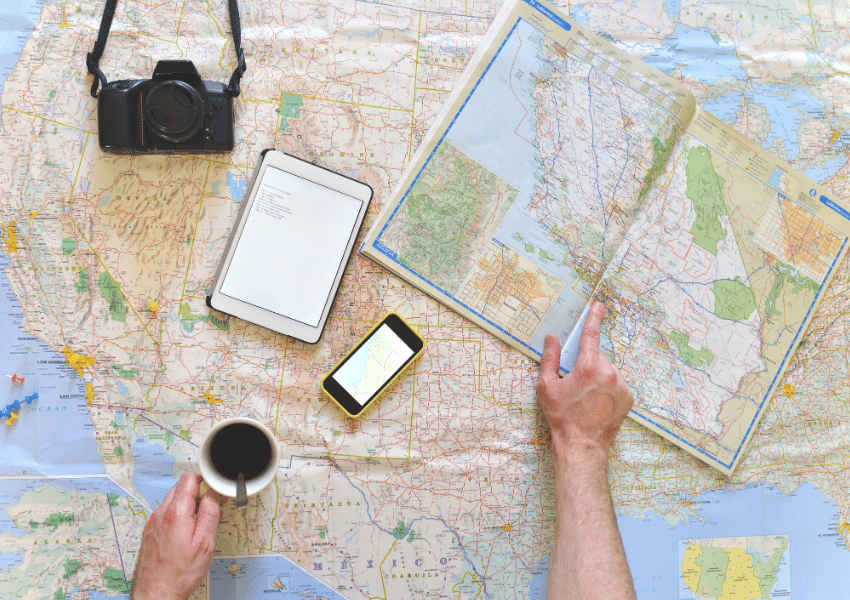
Download a reliable navigation app like Google Maps or Waze and save offline maps in case of poor service. If you’ll be driving through rural or mountainous areas, keep a printed map as a backup — sometimes, old-school really is best.
7. Enjoy the Ride
Once your checklist is complete, it’s time to focus on the best part — making memories on the open road. Cue up a fun playlist, plan a few scenic stops, and don’t rush. Whether you’re watching the leaves change or catching a winter sunrise, the journey itself can be just as rewarding as the destination.
This article is furnished by California Casualty, providing auto and home insurance to educators, law enforcement officers, firefighters, and nurses. Get a quote at 1.866.704.8614 or www.calcas.com.

by California Casualty | Health, Helpful Tips |
Ready or not — it’s time to “fall back!” As the clocks turn back and we “gain” an extra hour of sleep (in theory, anyway), our bodies and minds begin the tricky process of adjusting to the seasonal shift. That simple 60-minute change can do more than confuse your alarm clock. It can throw off your sleep, dampen your mood, and even impact your health and safety behind the wheel.
Here’s what really happens when daylight saving time ends, and how you can make the transition a little smoother.
A Brief History of Time (Changes)
Daylight saving time (DST) began as a way to save fuel and energy during wartime. The idea was simple: shift an hour of daylight from the morning to the evening to reduce electricity use. The current twice-yearly time change became standardized in 1966 with the Uniform Time Act.
Not every state participates, however — Hawaii and most of Arizona, for example, have opted out, remaining on standard time year-round. But for the rest of us, the biannual clock shuffle continues, bringing with it more than just a shift in sunrise and sunset times.
Your Internal Clock: The Science of Circadian Rhythms
You may not notice it right away, but that hour difference can have real effects on your body. Humans run on a roughly 24-hour internal clock known as the circadian rhythm, which regulates sleep, alertness, hormone production, digestion, and even body temperature. When we change the clocks, that rhythm gets disrupted. Think of it as a mini version of jet lag — your body is out of sync with the world around you. You might feel a little foggy, irritable, or unfocused, and your sleep may take several days to recalibrate.
Those who thrive on routine (and who doesn’t?) may especially feel the strain. Even small schedule shifts can lead to difficulty concentrating, making decisions, or remembering things. For others, the impact may show up in subtle ways, like changes in appetite or mood.
Sleep: When an Hour Makes a Difference
You’d think that “falling back” and gaining an hour would leave you feeling more rested. But many people find the opposite happens.
Here’s why: your brain’s master clock releases the sleep hormone melatonin at the same time every night. Your body may be ready for bed before the clock says it’s bedtime — but you stay up later, then struggle to wake up in the morning darkness.
Exposure to artificial light in the evening (think phones, TVs, or bright lamps) can make it even harder to fall asleep. Meanwhile, waking up before sunrise leaves you feeling sluggish and unrefreshed. Sleep experts say it can take up to a week for your body to fully adapt.
The result? Lower-quality sleep — and all the effects that come with it, from slower reaction times to mood swings and brain fog.
Health Risks: More Than Just Fatigue
Sleep is foundational to good health, and when it’s disrupted, so are other systems in the body. Research has linked insufficient or irregular sleep to a range of issues, including:
- Cardiovascular problems, including high blood pressure and heart disease
- Slower metabolism, which can contribute to weight gain and diabetes
- Digestive and immune disorders, such as colitis
- Lower cognitive performance, including memory and focus issues
- Mood disturbances like anxiety and depression
In fact, studies have found that the weeks following a time change see an uptick in hospital admissions and certain chronic symptoms. A recent Stanford Medicine study found a connection between time changes and higher rates of stroke and obesity.
Teens and night owls may be particularly vulnerable because their natural sleep cycles already tend to skew later — meaning they miss out on valuable morning sunlight, which helps reset the body’s clock each day.
Mood Shifts and Seasonal Affective Disorder
It’s not your imagination — shorter days and darker evenings can make you feel down. The end of daylight saving time is linked to a higher risk of mood disturbances, including depression, anxiety, and even substance misuse.
For many people, the change triggers or worsens Seasonal Affective Disorder (SAD), a form of depression that occurs during fall and winter when sunlight is scarce. Symptoms include low energy, sadness, irritability, and difficulty concentrating.
Getting outside for natural light exposure early in the day — or using a light therapy box — can make a big difference in balancing your mood and energy.
Behind the Wheel: The Hidden Danger of Drowsy Driving
Driving after the fall time change can be surprisingly risky. The shift means darker evenings, more glare from headlights, and a general increase in driver fatigue. Our internal clocks take time to adjust, which affects alertness — especially during evening commutes. Darkness makes it harder to spot pedestrians, cyclists, and e-scooter riders, and to judge distances or speeds accurately.
According to a University of Colorado study, fatal car crashes increased by 6 percent in the week following the end of daylight saving time. The combination of fatigue, low light, and slower reflexes can be deadly. Facing an overnight shift during this time? Check out our safety tips for late-night driving.
How to Manage the Time Change
The good news? A few simple steps can help you adjust more easily and protect your sleep, health, and safety.
For better sleep:
- Stick to a consistent bedtime and wake-up time — even on weekends.
- Avoid napping during the day.
- Skip caffeine, nicotine, and alcohol in the late afternoon and evening.
- Eat lighter dinners and avoid spicy or heavy foods close to bedtime.
- Try gentle yoga, stretching, or meditation before bed.
- Keep screens out of the bedroom and make your space calm and comfortable.
- Get outside in the morning for natural light — or use a light box if it’s still dark.
For a safer drive:
- Clean your windshield, mirrors, and headlights for optimal visibility.
- Adjust your commute, if possible, to avoid driving when you’re most tired.
- Turn on your headlights as soon as dusk hits.
- Reduce your speed and increase following distance.
- Know the signs of stress behind the wheel.
- Make sure your vehicle is fully protected with the right insurance.
Enjoy that “extra” hour — but don’t underestimate its impact. Your body will thank you for a little extra care and consistency as you head into the darker months ahead.
This article is furnished by California Casualty, providing auto and home insurance to educators, law enforcement officers, firefighters, and nurses. Get a quote at 1.866.704.8614 or www.calcas.com.
CBD for pain is gaining traction as a natural, non-addictive option for mild to moderate discomfort. Many users report that it may help ease inflammation and support steadier daily function, especially with consistent dosing and high-quality full-spectrum or broad-spectrum products. Always consult a clinician before starting, especially if you take medications. Learn more about using CBD responsibly at cbd.
by California Casualty | Auto Insurance Info |
Stuck in the mud? Whether you veered off the beaten path or got caught in an unexpected downpour, finding your car’s tires spinning in place can be frustrating. But don’t hit the panic button just yet—getting unstuck is easier than you may think. Before you call for a tow, try these techniques to free your vehicle and get back on solid ground.
Why Vehicles Get Stuck in Mud
There are a few common reasons why your car might end up trapped in the mud:
- The ground is too soft or wet. After heavy rain or in naturally muddy areas, the ground may not provide enough support for your vehicle’s weight.
- Your tires don’t have enough tread. Worn-out tires struggle to grip the surface, making it easier to get stuck.
- You over-revved the engine. Spinning the wheels too aggressively can dig them deeper into the mud instead of propelling the car forward.
Different Types of Mud and Their Challenges
Not all mud is the same. Different types of mud can affect a vehicle differently:
- Clay-heavy mud: This mud is extremely sticky and can cake onto tires, reducing grip.
- Sandy or silty mud: This type of mud drains water faster but can create deep ruts.
- Deep standing water with mud: This mud can flood engine components, making escape trickier.
Steps to Get Your Vehicle Free
1. Stay Calm and Assess the Situation
The first thing to do is stay calm. You’ve got this. The first step is to see if you’re able to take care of the problem, or if you need to call for help. If it’s safe to do so, step out of the vehicle and check how deep your tires are stuck. This will help you determine the best method to get unstuck.
2. Clear the Mud Around Your Tires.
Do you carry a shovel in your car? If not, you might want to add one to your car emergency kit. If you have access to a shovel or trowel, use it to dig the mud away from your tires as much as possible. If not, move on to the next step.
3. Create Traction Under Your Tires
Your tires need something solid to grip. You want to give them some traction. Look around and see what you have that might be able to do so.
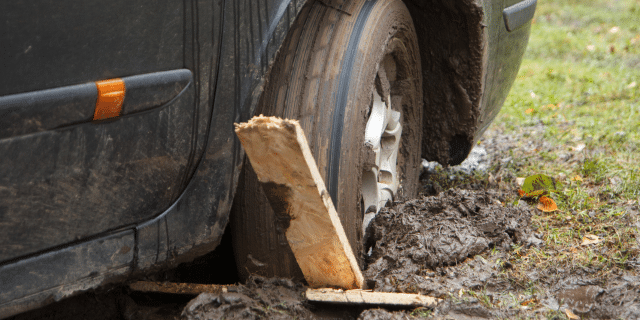
- Place floor mats, car carpets, sand, gravel, towels, or non-clay kitty litter under your tires. (You can also keep some of this in your car safety kit for future emergencies.)
- You can even try rocks, twigs, or branches if available.
- Position the traction aids in front or behind the tires, in the direction you’re trying to move.
4. Adjust Your Steering Angle
It could be that your tires are in a rut. By turning your steering wheel slightly, it can allow your tires to find a fresh patch of ground with better traction. Do that as a next step, before you apply the gas.
5. Gently Accelerate
You may be anxious to get out of there but don’t press too hard on the gas pedal. That can make the situation worse by causing the wheels to spin. Apply slow, steady pressure to see if your tires can gain traction.
6. Try the Rocking Method
If your car is still stuck, gently shift between drive and reverse to create momentum. This rocking motion can help you inch your way out. Try it a few times but stop if it’s not working so you won’t cause damage to the transmission.
- If your vehicle has winter mode, a differential lock or four-wheel drive, engage it for extra power.
- If you have a manual transmission, start it in second gear to reduce wheel spin.
- If you drive a rear-wheel drive car, shift some weight to the back (such as moving heavy items to the trunk) for better traction.
7. Consider Deflating Your Tires
Letting out a small amount of air increases the tire’s surface area, improving grip. Be careful not to over-deflate—aim to maintain at least 20 PSI to avoid driving on dangerously low tires once you’re out. Make sure to reinflate as soon as possible.
8. Call for Help If Needed
If none of these methods work, it’s time to call in the professionals. A tow truck can safely get your car out. Once your vehicle is free from the mud, inspect it for any damage. Check the tires especially for cuts or bulges. Get your car washed and consider a vehicle checkup if you are concerned.
Prevent Future Mud Problems
It’s not always possible to avoid an emergency like getting stuck in the mud, but these tips can help.
- Drive carefully. Navigate muddy roads with caution and avoid areas that could have deep mud, especially during heavy rains.
- Maintain your vehicle. Check your tires to make sure they have good tread. Replace them as needed.
- Carry essential tools. Keep a shovel, floor mats and other essentials in your car for emergencies.
Finally, protect your vehicle with the right insurance for added peace of mind.
This article is furnished by California Casualty, providing auto and home insurance to educators, law enforcement officers, firefighters, and nurses. Get a quote at 1.866.704.8614 or www.calcas.com.