by California Casualty | Safety |
As weather forecasters are predicting an active few weeks for tornado activity, the Property Casualty Insurers Association of America (PCI) encourages homeowners and renters to take appropriate steps to be prepared, which includes a review of their insurance policies and discussion of coverage options with their insurance agent or company.
“With wind speeds that can reach nearly 300 miles per hour, tornadoes can be deadly and cause severe property damage,” said Donald Griffin, vice president personal lines for PCI. “Because tornadoes can occur rapidly and with little warning, advanced preparation is very important. We encourage consumers to know the warning signals used in their community and be prepared to take cover when alerted. Maintaining an emergency storm kit with a radio, flashlight, batteries and first-aid items is the first step in preparation. Other steps include conducting tornado drills with your family and ensuring that your property is adequately insured.”
The peak of tornado season in the U.S. varies by geographic region beginning in southern states during the months of March and April. Peak tornado season for the southern plains occurs during May and June and typically takes place during June and July in the Midwest and northern plains. According to the National Oceanic and Atmospheric Administration’s National Climatic Data Center there were over 1,400 tornadoes in 2010. The highest concentrations of tornado reports were clustered in the Front Range of the Rockies, the Southeast, the Central and Northern Plains, and the Great Lakes. The largest outbreak of tornadoes for 2010 occurred on June 17th, there were at least 74 confirmed tornadoes reported across the Upper Midwest and Northern Plains.
Most tornado, windstorm, hail and similar severe weather-related losses are covered by either homeowners or renters insurance policies. Tornado losses to a home are covered by the “windstorm” peril under the homeowners insurance policy. Renters insurance also provides coverage to policyholder possessions under this peril. Protection from windstorm or hail damage for cars is covered under the “comprehensive” portion of the automobile insurance policy.
PCI pre-storm tips:
– Conduct a detailed inventory of your possessions including receipts, descriptions and photos of your home’s contents.
– Keep your insurance policy and CalCas Claims information along with other important information with you or in a secure place.
– Keep a cell phone charged and with you for emergencies.
– If you have one, keep a laptop computer close by. Most insurance companies allow claims reports to be submitted via the Internet.
If you experienced a loss from the storms:
– Immediately contact your insurance agent or company representative
– Inspect property and cars for damage
– Inventory losses and photograph damage, and save related receipts to assist with claims handling
– Secure property from further damage or theft
– Check the background and legitimacy of repair contractors. Ask your insurance company for assistance in locating a reputable contractor.
As always, we hope you never have to call to report a tornado related claim, but it pays to be prepared!

by California Casualty | Firefighters, Helpful Tips |
You’ve spent countless hours on the front lines, making split-second decisions and keeping people safe when it matters most. But have you ever wondered how far your skills could take you outside the ambulance? From fast-paced field roles to specialized safety consulting and beyond, EMT training can open doors to surprising careers you might never have considered — ones that put your experience to work in new, exciting ways.
If you’re feeling burned out, curious about growth opportunities, or simply ready for something different, here are some career paths where your EMT training already gives you a strong head start.
Amusement Park Medical Staff
Major amusement parks employ onsite medical teams to handle everything from heat exhaustion and minor injuries to stabilizing patients before transport. EMTs may also assist with safety reviews of rides and facilities. It’s clinical work in a unique, high-traffic environment.
CPR Instructor
Teaching CPR and AED use lets you turn your field knowledge into life-saving education. Instructors prepare lesson plans, demonstrate techniques, and evaluate students. You can work through hospitals, private training firms, or organizations like the American Red Cross — or run your own training business.
Emergency Dispatcher
Dispatchers are the calm voice on the other end of 9-1-1 calls, coordinating police, fire, and EMS responses. Your EMT background helps you quickly understand what callers are describing, though additional certification/training may be required for this role depending on your state.
ER Technician
Instead of dropping patients off, you’re part of the emergency department team. ER techs help manage patient flow, stabilize patients, and assist with exams and procedures. Hospital roles are still fast-paced, but often offer steadier schedules and more robust benefits than ambulance work.
Event EMT
Concerts, races, sporting events, and festivals rely on contract medics to care for large crowds. This role blends patient care with operational coordination, working closely with security teams and local EMS. It’s familiar work — just in a different setting.
Firefighter
Many fire departments require EMS certification, making EMTs strong candidates. The role expands your scope to fire suppression, rescue operations, and public safety. Additional academy training is required, but your EMS background gives you a headstart.
Forensic Crime Scene Technician
Some EMTs pivot into investigative police work, helping collect and analyze evidence at crime scenes. This path typically requires a bachelor’s degree in a natural science, but your familiarity with trauma scenes and medical terminology is a valuable foundation.
Flight Paramedic
Taking patient transport to the skies, flight medics manage critical patients during air transfers. Competition is intense and advanced certification is required, but it’s one of the most specialized EMS career tracks.
Health Information Technologist
If you like the medical field but want less physical strain, this tech-focused role involves managing electronic patient records, coding data, and reviewing documentation. You will need additional training and/or a certification for this role. But EMTs already understand medical terminology, which makes the transition smoother.
Industrial Medic
Factories, manufacturing plants, and remote work sites often employ onsite medics. You’ll handle injuries, illnesses, and emergency planning — sometimes in locations far from hospitals. It’s steady work with a strong focus on prevention and safety.
Laboratory or Blood Donation Technician
Labs and blood donation centers value EMTs for donor screening, monitoring collections, and assisting healthcare staff. The environment is calmer than field work, with predictable hours and less emergency pressure.
Medical Equipment Technician
If you’re mechanically inclined, maintaining and repairing medical devices may be a fit. Some positions require an associate’s degree in biomedical technology, while others offer on-the-job training for equipment like wheelchairs or hospital beds.
Medical Technician or Radiologic Technologist
These roles involve assisting physicians, performing imaging scans, preparing patients, and maintaining diagnostic equipment. Additional schooling is usually required, but EMTs often adapt quickly to the clinical environment.
Offshore Medic
Oil rigs and ships rely on onboard medics because hospitals may be hours away. Offshore medics work long shifts for set rotations, often two weeks on followed by extended time off. Since you’re living on a ship for a period of two weeks or more, room and board is included.
Search and Rescue
From wilderness teams to ski patrols, search-and-rescue work blends outdoor skills with patient care. EMT certification isn’t always required but is highly valued. Many professionals start as volunteers to see if the lifestyle fits.
Surgical Technologist
Surgical techs prepare operating rooms, sterilize instruments, and assist surgical teams with logistics and patient prep. Certification or an associate’s degree is typically required, but EMT experience helps with sterile procedures and patient care awareness.
As a first responder, you’re making a difference every day. But being an EMT doesn’t lock you into one path. The decision-making, patient care, communication, and crisis-management skills you use daily are valuable across dozens of healthcare, safety, and technical roles. If you’re considering a change, you don’t have to start over. You’ve got a great foundation for the next step in your career — whatever it may be.
This article is furnished by California Casualty, providing auto and home insurance to educators, law enforcement officers, firefighters, and nurses. Get a quote at 1.866.704.8614 or www.calcas.com.

by California Casualty | Firefighters, Health, Helpful Tips, Peace Officers, Safety |
When temperatures soar, staying cool isn’t just a comfort—it’s a matter of safety. For law enforcement officers and first responders, the summer heat adds another layer of challenge to already demanding duties. Whether directing traffic under the blazing sun or responding to emergencies in heavy gear, heat stress can sneak up fast. Here are some smart, practical strategies to help you keep your cool.
Suit Up for the Season
Your uniform is your armor, but under the summer sun, it can turn into a sauna. Choosing the right gear can make a huge difference in staying cool.
- Go Light and Breathable: If your department permits, opt for summer uniforms made from lightweight, moisture-wicking materials like mesh, rayon, cotton, or lightweight polyester. These fabrics help sweat evaporate quickly, keeping your body temperature in check.
- Add Cool Extras: Cooling vests, neck wraps, and other personal cooling gear can provide extra relief on scorching days—just make sure they’re approved by your department.
- Bike & Traffic Patrol Tips: Tactical shorts and ANSI-certified high-visibility polos keep you mobile, visible, and comfortable.
- Head-to-Toe Comfort: Swap out heavy hats for breathable, UV-protective caps—department approved of course. Choose moisture-wicking socks—many of which include anti-odor features—to keep your feet dry and blister-free.
Pro Tip: Wear your ballistic vest on the outside. In summer, it’s better to skip layering over it. Outer vest carriers offer protection and breathability—without sacrificing your uniformed look.
Hydrate for the Long Haul
When you’re in the sun for hours, even mild dehydration can take a toll. Drink early and often.
- Water Is #1: Drink before, during, and after your shift. Don’t wait until you’re thirsty.
- Try Coconut Water: It’s a great natural source of potassium and electrolytes.
- Skip These: Caffeinated drinks, sodas, energy drinks, and alcohol all dehydrate you. Caffeine constricts blood vessels and acts as a diuretic, while alcohol sets you up for a rough shift the next day.
Eat to Beat the Heat
It takes a lot of energy for our bodies to digest a steak dinner. When our body breaks down protein, it creates heat. Don’t let heavy meals weigh you down. Aim for lighter, heat-friendly meals and snacks leading up to and during your shift.
- Choose Hydrating Snacks: Watermelon, peaches, apricots, and radishes are great choices.
- Select Leafy Greens: They’re loaded with water and easy on your system.
- Enjoy Smart Fuel: Choose lean proteins and whole grains to keep energy up without overheating your body’s digestive system.
Don’t Forget Sunscreen, Bug Spray & Other Essentials
It’s not just the heat. Make sure you protect your skin from damaging rays and uncomfortable, itchy bites.
- Slather the Sunscreen: Apply broad-spectrum SPF 30+ generously and reapply every two hours, especially if you’re sweating.
- Bring the Bug Spray: This is essential if your beat includes grassy or wooded areas. Mosquito bites are more than just an annoyance.
- Take Towels in the Cruiser: Keep a stash of clean towels to wipe off sweat and help you cool down quickly. Try a cooling towel; it will absorb your sweat and create a cooling effect.
Know When to Rest
Recovery is just as important as readiness. Smart breaks can keep you from overheating and reduce the risk of heat-related illness.
- Take Breaks: When possible, rest in the shade or an air-conditioned vehicle. Short pauses throughout your shift can help regulate body temperature and maintain focus.
- Watch for Warning Signs: Learn to recognize early symptoms of heat stress—like dizziness, nausea, or confusion—and act quickly if they appear.
- Use the Buddy System: Keep an eye on your partner—and yourself—for signs of heat exhaustion.
- Have a Heat Emergency Plan: Know what to do if you or a colleague begins to show symptoms. This goes for K-9 partners, too!
Know the Warning Signs
Heat illness can escalate quickly—from cramps to exhaustion to life-threatening heat stroke. Be alert for these symptoms:
Signs of Heat Stroke:
- Body temperature above 103°F
- Dizziness or disorientation
- Nausea or vomiting
- Headache
- Hot, red, dry skin
- Rapid heartbeat
- Confusion
If you or a partner exhibit any of these, take immediate action:
- Get to a cool area
- Remove excess gear
- Apply cold compresses or ice packs to the forearms, neck, or groin
- Seek medical help immediately
As law enforcement officers and first responders, you face challenges every day—especially when the heat is on. That’s why we’re proud to protect the heroes who protect all of us. From custom insurance coverage to exceptional service tailored to law enforcement professionals, we’ve got your back—on duty and off.
This article is furnished by California Casualty, providing auto and home insurance to educators, law enforcement officers, firefighters, and nurses. Get a quote at 1.866.704.8614 or www.calcas.com.
by California Casualty | Homeowners Insurance Info |
Winter is here and while some renters may not be responsible for every task- like snow or ice removal- this season, there are still important steps you need to take as a tenant to make sure your home or apartment is ready for the cold months ahead.
Follow our renter’s winter maintenance checklist below.
1. Know your responsibilities. Before the cool weather hits, schedule a meeting with your landlord or property manager to see what your responsibilities will be for the winter and what will be taken care of by the property owner. In an apartment, some winter responsibilities, like laying down salt, plowing driveways, heating and cooling tune-ups, etc. are taken care of by the complex. But if you are renting a home, you will need to check for clarification– with your landlord or take a look at your lease agreement- on whose responsibility it will be to make sure your home gets properly winterized.
2. Test out the heat. It’s better to know early on if there are any problems, so run the heat for a bit even if it’s not yet cold enough. Be on the lookout for odd smells when the heat is on. Take note of any issues, such as inconsistent heat throughout your apartment or house. You can ask your landlord about scheduling regular inspections of your HVAC system, chimney or fireplace. Regular maintenance of your appliances helps keep everything in good working order. Remember to check the batteries in your digital thermostat if it has them. Also test your smoke alarms and carbon monoxide detectors. You may need to replace batteries on your own, but you could always ask your landlord for a reimbursement on your purchase.
Pro Tip: Turn your ceiling fans on low in reverse (clockwise when looking up) to circulate warm air and help save on heating costs.
3. Clean inside and out. Just as you might do spring cleaning, it’s time to clean for winter. Vacuum the vents and change out the filters in your HVAC system to improve air quality. Remove dust and dirt from fans, radiators, heat registers. Sweep under appliances. Clean the drains in your sinks, bathtubs, showers, and dishwashers. While you’re at it, check for any signs of dripping that could signal a problem, and alert your landlord immediately. Clean your garbage disposal. If you’re renting a home, clear any debris in your yard. Remove wet leaves from gutters – or alert your landlord. If they remain, water can back up, causing leaks and ice dams and ultimately damaging your home’s roof and siding.
4. Check for drafts. As a renter, you’re responsible for paying utilities. Make sure you’re not losing heat this winter to cracks or openings near windows or doors. Weatherstripping is the most likely to be landlord-approved, but you also could caulk to fill in these areas if allowed. Speak to your landlord about what is approved and what has been done in the past. And don’t forget to cover or remove your window air conditioners to prevent additional drafts.
5. Protect your water lines. If you’re in a house, disconnect and drain garden hoses, turn off the sprinkler system, and cover outside faucets with insulating foam covers (your landlord may have these from previous winters, so check with them before purchasing any). If the temperature drops below 20 degrees, keep one or more faucets running slowly to keep the line from freezing. Open up cabinet doors where pipes are located to allow warm air to circulate and warm the pipes. Always know where your water main is located in case you have to shut it off. Call your landlord if you suspect a pipe has frozen or broken. He/she may direct you to point a space heater at the frozen pipe or call a repairman to take a look.
Pro Tip: If you go on vacation this winter- even if it’s just for a few days, don’t turn the heat completely off. Leave it at least 55 degrees to prevent any problems with frozen pipes.
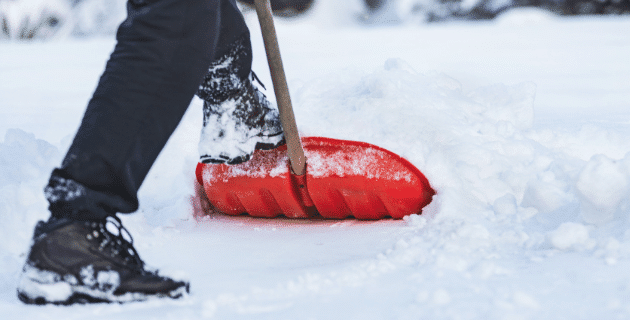
6. Prepare for snow and ice removal. Generally, apartment complexes and landlords are responsible for snow and ice removal in public areas, but you may need to clear these potential hazards on your own if you are renting a home. Know the state laws for snow removal and your landlord’s policies. Consider buying a snow shovel and some salt/ice melt if you don’t have it. Some communities prohibit the use of salt so you can use synthetic ice melt or cat litter. Talk to your landlord immediately if your notice any damage from snow or ice.
7. Have an emergency plan. Extremely low temperatures are dangerous and can even be life-threatening, especially coupled with snow and ice. Sign up for severe weather alerts with your town or county and have a disaster plan in place, along with an emergency kit fully stocked with food and water. Notify your landlord of any issues as soon as possible before they spiral out of control. And know the emergency contact number to call or text if the heat or power goes out.
8. Protect your home. Starting at around $10 a month, renter’s insurance is an affordable option and a necessity for renters. Your landlord’s coverage will not cover your personal items. Being well prepared is your best defense against unwanted surprises this winter. And at such a low cost, this coverage will pay for itself.
Pro Tip: Bundle your renter’s policy with a California Casualty auto policy and you may qualify for discounts on your premiums! Speak to an agent today to see how much you can save.
This article is furnished by California Casualty, providing auto and home insurance to educators, law enforcement officers, firefighters, and nurses. Get a quote at 1.866.704.8614 or www.calcas.com.
by California Casualty | Safety |
Spring storms – including lightning, hail, flooding, high winds, and even tornadoes – can catch you or family members away from home. Finding safe public shelter during severe weather can be hard enough, but coronavirus has made that (like everything else!) even more difficult.
Follow these tips to stay as safe as possible from the storm and the virus.
First things first: Sheltering during a pandemic
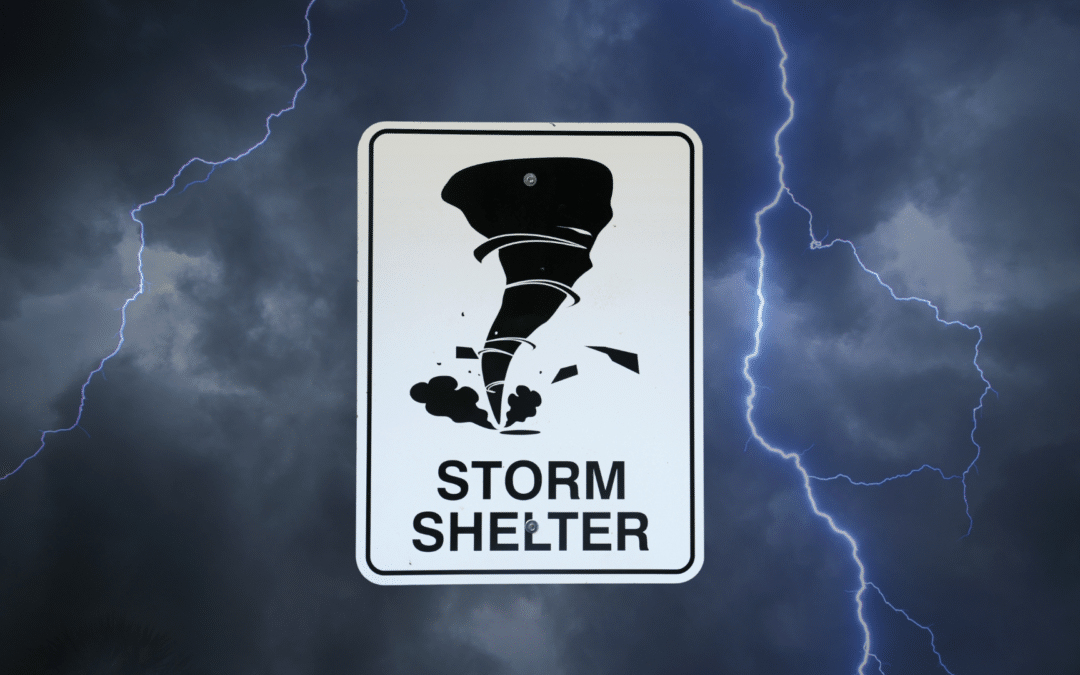
Your number one priority during a severe storm is finding a safe place to shelter; the second priority is protecting against Covid-19. In other words, don’t let a fear of the virus preclude you or family members from seeking life-saving shelter. That said, shelters that are open will most likely post notices that those who seek shelter to do so at their own risk. If they’re able, they may provide hand sanitizer, hand-washing stations, and perhaps even face masks. They’ll also be strict about occupancy limits.
Know where to go
Depending on the size and population of your area, there may or may not be designated public storm shelters in your community. Check with your local emergency manager or fire department, the American Red Cross, FEMA, or other emergency weather preparedness body well ahead of the storms for shelter locations. From there, check to see which shelters are open and operating during the pandemic – you may find that some have decided to close until the virus is under control.
Where to go
When a storm does hit, even designated shelters that are open during the pandemic may close their doors due to overcapacity (public shelters aren’t designed for thousands of people). If you end up needing to find shelter on the fly, remember these tips.
-
- If seeking shelter in public buildings, seek out substantial ones. Reinforced concrete buildings are usually stormproof.
- Small rooms, such as restrooms, storerooms, windowless closets, or other small sturdy rooms, are better than large ones.
- Auditoriums and gymnasiums are not generally safe.
- Avoid high walls that could collapse.
- Get underground or under a table. Cover your head.
- If basements are not available, go to a first-floor room.
- Stay away from windows, glass, and large rooms.
- Do not shelter in a mobile home or vehicle.
Protecting against COVID
If you are able to get into a shelter (or end up sheltering with others at a non-designated location), follow the same COVID precautions that are habit by now: social distancing as much as possible, always wear a mask, and use hand sanitizer and/or wash hands frequently. Cover your sneezes and coughs and avoid touching high-touch surfaces. Try not to share food or drink with anyone, if possible. If you made it into a shelter, they will have policies and rules for protecting public health as much as possible – follow all instructions from the shelter staff.
Plan ahead
With all these various factors to deal with, you can give yourself and your family an edge by preparing in advance. Your two best weapons will be: Having a personal/family plan and staying informed. So, before the storms come:
- Make a plan. Ensure that you and your family have a plan for severe weather events. For example, if your kids are at baseball practice or you’re at work or running errands, make sure everyone knows where to go if severe weather hits. Know the local shelters that are open during the pandemic, add them to your family’s emergency plan, and make sure all family members know and can act upon the plan.
- Tune in and stay aware. All family members need to stay informed by trusted sources. Set up redundant sources of information so that you don’t miss any alerts. These might include:
-
- Phone apps and emergency/weather websites
- Programmable all-hazard radios
- Local news stations and media
- Carry supplies in your car at all times. This is a great time to double-check your vehicle’s emergency kit (and for that matter, your grab-and-go emergency kit). Replace batteries, food, water, or any other items that may be expired. If you haven’t already, add coronavirus supplies as well – masks, hand sanitizer, and soap.
It can’t get much worse than a severe storm during a pandemic, but knowing what to do and how to protect yourself and your family can give you an added layer of security and confidence.
This article is furnished by California Casualty, providing auto and home insurance to educators, law enforcement officers, firefighters, and nurses. Get a quote at 1.866.704.8614 or www.calcas.com.