
by California Casualty | Educators, Firefighters, Health, Nurses, Peace Officers |
If the winter months get you down, you’re not alone. Seasonal Affective Disorder (SAD) affects millions of people, and it’s more than just the winter blues. It can affect your mental and physical health.
Here’s what you need to know about SAD, including how to recognize signs and symptoms, some available treatments, and how to help those around you if you think they suffer from this condition.
What is SAD?
Seasonal Affective Disorder is a type of depression. It is more than feeling sad or unhappy, and it is not a condition that can be wished away. Symptoms start in the late fall and continue into the winter months. They are most severe during December, January, and February. Generally, SAD resolves itself during the light-filled days of spring. (There also is a form of summer SAD, thought to be caused by the heat, humidity, and allergies. Summer SAD is much less common.) SAD usually starts in adulthood. It is rare among people who are under age 20. It is more common among women than men.
What causes SAD?
The exact cause is not known, but it is thought that SAD is linked to reduced exposure to sunlight. Light stimulates the hormone, serotonin, in our brain which makes us feel happy. Increased darkness on the other hand prompts the brain to make more melatonin, causing sleepiness and reduced energy.
What are the signs of SAD?
SAD can affect how you feel, think, and behave. The symptoms are persistent and can be severe. While not every person experiences all the symptoms, here are some common ones for winter SAD.
- Losing interest in activities: If the activities that usually interest you lose their appeal, that’s a symptom of a low mood or depression.
- Low energy and sluggishness: You may find it difficult to muster the energy to do the most basic tasks. You might experience extreme fatigue.
- Sleeping too much: You find yourself sleeping more than usual, and you have difficulty waking up. You may experience daytime drowsiness.
- Appetite changes: You crave the mood and energy boosting comfort of carbs. However, overloading on carbs can lead to weight gain.
- Difficulty concentrating: You may be unable to focus and have trouble thinking clearly.
- Negative thinking: You may feel hopeless, worthless, or even suicidal. You might be anxious and irritable.
What are options for treatment?
Without treatment, SAD can last months. However, most people who seek help can see improvement in a matter of weeks. The symptoms of SAD may look like other mental health conditions, so it’s important to get a diagnosis. A doctor or mental health professional can diagnose SAD and offer options for treatment. Treatments may include:
- Light therapy: This involves sitting in front of a special light in a lightbox or panel for a specific amount of time each day.
- Sunlight exposure: Spending more time outside during daylight hours can help. Consider a daily walk or outdoor exercise.
- Psychotherapy: Talk therapy can help you to understand SAD and manage its symptoms from anxiety to depression.
- Medications: ln some cases, antidepressants may be prescribed to correct the chemical imbalance caused by SAD.
Here are some ways to help prevent SAD.
You can take steps to prepare for winter SAD, which may help to reduce its effects.
- It may be tempting to go into hibernation mode when it starts to become dark early. However, that can perpetuate the feelings of depression. Instead, plan activities to stay social. This will help to boost your mood.
- Exercise regularly. If you can exercise in the sunlight, that’s a double boost.
- Eat a healthy balanced diet. If you’re tempted by carbs for a quick energy boost, go for complex carbohydrates instead. For example, choose whole grain breads and fruits over sweets and chips.
- Maintain a consistent sleep routine. Avoid excessive amounts of caffeine and alcohol, especially before bed.
Finally, seek professional help if your symptoms persist. SAD is treatable, and fortunately, does not last forever.
This article is furnished by California Casualty, providing auto and home insurance to educators, law enforcement officers, firefighters, and nurses. Get a quote at 1.866.704.8614 or www.calcas.com.
by California Casualty | Finances, Homeowners Insurance Info |
A home inspection is an important part of buying and selling a home. In fact, it can make or break a sale. That’s why the questions you ask your home inspector are so important.
We’ve compiled a list of questions so you can get the most out of your home inspection. Keep this list handy and share it with anyone who is buying or selling a home.
First, a quick explanation about home inspections vs. home appraisals…
It’s easy to confuse home inspections with home appraisals. The processes are similar.
- A home inspector looks at the condition of a home and its systems, from electrical and plumbing to heating and ventilation, foundation, and more. He or she points out any areas of major concern. These are repairs that can be negotiated before the home is sold. Otherwise, the home inspection report is a “to do” list for the future homeowner.
- A home appraiser’s job is to estimate the value of the home. He or she looks at the condition of the house and notes any upgrades. The appraiser compares the home to similar ones in the area. Then, they establish a value and share it with the lender. That way the loan amount does not exceed the value of the home.
Most lenders require home inspections for loan approval. If you’re buying a home, the home inspection helps you know exactly what you’re getting. If you’re selling a home, you may consider doing a pre-listing home inspection. That can flag any major issues that could cause buyers to withdraw their offer.
Here’s what to ask your home inspector before and during the inspection.
What are your credentials?
Maybe your realtor referred you to a home inspector. Maybe you found him or her through Google, a Facebook neighbors’ group, or old-fashioned word of mouth. Either way, you want to make sure your home inspector has the right training and experience.
- How long have you been doing this?
- Do you belong to a state or national association?
- Do you participate in any continuing education?
- Are you bonded and insured? (If anything happens to the property during an inspection, the bond will protect the homeowner.)
- May I get references from satisfied clients?
- May I get a copy of your inspector’s license and insurance?
What are the payment details?
Home inspection is a service that is paid for by the person requesting the inspection. It could be the prospective homebuyer, or it could be the seller who wants to make sure everything is in order before placing the home on the market. Home inspection costs vary, depending on the region, size, and age of the house.
- What will the home inspection cost?
- When do you need payment? (Most inspectors will need payment immediately after the inspection.)
- What type of payment do you prefer?
What does the report look like?
You want to know what you’re purchasing ahead of time, and an easy way to do that is to see a sample inspection report. You’ll be able to see your inspector’s reporting style, whether there are pictures, etc.
- Can I see a sample report?
- Do you provide digital photos?
- How long after the inspection do you provide the report?
- How do you send it?
What does the inspection cover?
A home inspection should comply with standard practice and meet all requirements in your state. If you live in a condo, your inspector does not have to inspect the common spaces, roof, or exterior walls. For single family homes and townhomes, you can expect the full home to be reviewed. However, this may not include radon or mold, so double check if you need additional inspections for those hazards.
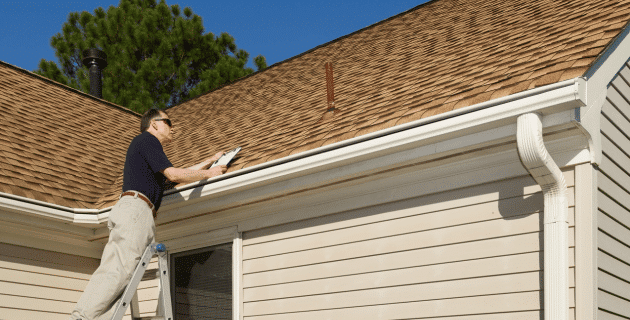
- Do you walk the roof? (It’s better if your inspector does. Some just use binoculars to eyeball any roof damage.)
- Do you do sewer line or septic tank inspections?
- Do you test for radon or mold?
- Do you test for lead (for homes built before 1978)?
- Do you test for carbon monoxide or check the smoke detectors?
- What does the inspection not cover?
May I attend?
You should be allowed to attend your home inspection, and it’s a good idea. (It’s also a red flag if your inspector says you are not allowed. Consider getting another inspector.) It takes about 2-3 hours for a typical single family home inspection, so be sure to allocate enough time. Come prepared with a list of questions. This is a great learning experience about your new home.
- Where is the main water shutoff?
- Where is the main electrical breaker?
- What is the age of the home’s systems? The roof?
- What is the routine maintenance needed for each of the home’s systems?
- What kind of pipes does the home’s plumbing system have (e.g. copper, CPVC water piping or polybutylene)? Polybutylene is defective water piping that is no longer being made.
- Are there any ungrounded outlets? These can become a fire hazard or short-circuit your appliances.
- Is the home well insulated? This will impact your energy bill.
- Does the home appear to be a flip (and therefore lower quality materials used in the renovation)?
Pro Tip: Verify that all permits have been pulled by the city or county for any renovations to the home. Failure to do so can tip you off that there were corners cut.
What should I do about the problems identified?
If you’re the buyer, you can use the problems as a negotiating point with the seller. If the problems are too costly, or living conditions are unsafe, you could walk away from the sale. While some states and associations forbid an inspector from performing repairs, you can ask your home inspector for guidance.
- Can you recommend a professional for this repair?
- What would you fix first if this were your home?
- Will you answer questions after the inspection?
- Do you perform re-inspections of a home to make sure everything is fixed? Not all inspectors do this due to liability issues.
With a successful inspection behind you, you’re ready to take the next step as a new homeowner. Protect your new home with the right insurance. Looking for a quote? Call us today.
This article is furnished by California Casualty, providing auto and home insurance to educators, law enforcement officers, firefighters, and nurses. Get a quote at 1.866.704.8614 or www.calcas.com

by California Casualty | Homeowners Insurance Info |
We all know the dreaded drip, drip, drip of a water leak. It’s the sound of a potentially expensive repair or at minimum, an annoying cleanup. Either way, you want to be prepared when it happens. Knowing what your homeowner’s insurance covers in terms of plumbing and pipe leaks is the first step.
In general, sudden plumbing issues are typically covered by insurance but plumbing problems that occur over time due to lack of maintenance may not be. The policy may cover damage resulting from plumbing breakdowns, but it won’t cover the cost to repair the plumbing itself. Insurance is intended to help in emergencies, not a substitute for regular maintenance.
What Insurance (Probably) Does Not Cover
Most policies do not cover old plumbing and pipe leaks. If you’ve got a slow leak and you ignore it until it gets worse, that’s likely not covered by your homeowner’s policy. When you file a claim, your insurance company will send an adjuster. They will determine the cause of damage, and decide whether it qualifies for coverage. Here are general guidelines on what insurance probably does not cover.
-
- Normal wear-and-tear and lack of maintenance are not covered. If you neglect your plumbing and pipes, you essentially have voided your policy.
-
- Leaks that started small and have gotten progressively worse over a period of years are not covered. The time to address them was when they started.
-
- Pipes that freeze because you turned off the heat would be categorized under neglect. So, if you went away on a winter vacation, and failed to take the necessary steps to protect your pipes, the damage that results may not be covered under your policy.
-
- Mold may be excluded from your standard policy. However, you could purchase additional coverage.
-
- Water damage from any flooding is not covered unless you have a flood policy.
What Insurance (Probably) Covers
From certain plumbing issues to broken, burst, or frozen pipes, your homeowner’s policy probably covers the ensuing damage if you have taken reasonable care and performed continued maintenance. For example, coverage for freezing of a plumbing system only applies if you “maintain heat in the building; or shut off the water supply and drain all systems and appliances of water.”
Insurance pays to repair the pipes or plumbing in these cases. It also compensates you for covered items that are damaged by the leak. Coverage A (which includes the plumbing system) will cover the plumbing system if there is a fire, tornado, explosion, etc. The contract specifically excludes coverage for “wear and tear, deterioration and latent defect, inherent vice” – basically, the policy will not pay for the plumbing system or pipes for leaks, broken, etc. – that is the homeowner’s responsibility. If it is a covered loss, the insurance company pays for the ensuing damage, i.e. flooring, baseboards, drywall, and personal property.
Your insurer will likely send someone out to determine the cause of loss and inspect the damage. You will get reimbursed by your policy, minus your deductible (which is the amount that you chose to pay out-of-pocket before insurance kicks in).
There are four different parts of your homeowner’s policy that address damage caused by plumbing and pipe leaks:
-
- Dwelling coverage covers the structure of your home. This includes the roof, walls, and floorboards. However, if you have to remove a wall to see if there is a leak, that would not be covered. There are companies that will come out and complete a Leak Detection Report to determine where the water is coming from. If the loss is covered and over the deductible, your insurance will pay for the report.
-
- Personal property coverage protects your possessions that may be damaged. Coverage may apply if there is “an accidental discharge or overflow of water from within a plumbing system or household appliance.” Damage that occurs gradually due to a leaky pipe is generally not covered. Protected possessions include clothing, TVs, and furniture. There are dollar limits for certain items such as money, jewelry and firearms, so check with your insurer. (You could add an extra rider to cover those items.) For personal property coverage on a homeowner’s policy, you typically get 50 or 75% of Coverage A, the total amount of coverage for your home.
-
- Other structures coverage protects detached buildings, such as garages or guest houses, that may be damaged due to plumbing issues. The coverage limit for other structures is generally set at 10% of your home’s coverage limit. That means if your home is insured for $200,000, the coverage limit for your garage would be $20,000. For an additional premium, you can add an endorsement for additional coverage.
-
- Depending upon the extent of the damage, your house may not be livable. If that’s the case, you would need to stay somewhere else. You would be covered for any necessary increase in living expenses, such as lodging, food, and gas. Under Coverage D – Loss of Use, called “Additional Living Expense,” your policy will provide a flat percentage toward living costs, usually 30% of the Coverage A amount. Some states have time limits (e.g. 12 months) on when you can use that coverage. Plan to cover those additional expenses out-of-pocket.
How to Know if You Have a Leak
Taking the time to inspect your pipes and plumbing periodically can give you a heads-up that there could be a problem. The earlier you address it, the less costly it will be. Look for these signs that you may have a leak.
-
- Stains or discolorations on walls or ceilings
- Bulging or sagging spots on walls or ceilings
- A trickling sound when it is quiet, such as at night
- A musty smell, which can be a sign of moisture and mold growth
- Poor water pressure
- Rusted metal
- Peeling paint
- Steady increases in water bills
Finally, make sure your homeowner’s policy is up to date, and that it provides the coverage that you need. That will go a long way toward having peace of mind should you have a plumbing problem.
This article is furnished by California Casualty, providing auto and home insurance to educators, law enforcement officers, firefighters, and nurses. Get a quote at 1.866.704.8614 or www.calcas.com.

by California Casualty | Health |
It’s cold and flu season, and as a nurse, teacher, or parent, you’re likely surrounded by sniffling and coughing on the daily. So, at this point how can you keep yourself from getting sick?
Look no further; we’ve got you covered with the best tips to help keep you safe and sniffle-free this winter. Follow this guide to protect yourself and help boost your immune system.
Get quality sleep.
Our bodies do important work while we sleep. They repair cells and make proteins that fight infection. Getting enough sleep, and specifically, quality sleep is important to this process. We know it may be hard to get enough sleep when working 12-hour shifts as a nurse or as a parent of young children. Take the time to set yourself up for success with these tips.
-
- Set your thermostat to about 65 degrees for optimum sleeping temperature.
- Create a bedtime routine that does not include devices or television. Sometimes a warm shower or bath can help just prior to bed.
- Use a white noise machine or wear earplugs to soften distracting noise.
- Use blackout shades or curtains and/or wear an eye mask.
- Be consistent with bedtime routines for your children. If your children fall asleep within 15 to 30 minutes of going to bed, they are getting the right amount of sleep.
Pro tip: If you’re having trouble eliminating screens before bed, try wearing blue light-blocker glasses. They will help reduce the light that disturbs your circadian rhythm.
Eat immunity-boosting foods.
It’s easy to reach for prepared foods, microwave meals or vending machine finds. Resist the urge. Instead, fill your diet with the foods that help power your immune system.
-
- Choose fresh fruits and vegetables with nutrients such as vitamin C, vitamin E, and beta-carotene.
- Citrus fruits are great sources of vitamin C but so are red bell peppers.
- Blueberries are delicious as well as nutritious and can help boost your immunity.
- Broccoli and spinach are both superfoods with vitamins and antioxidants.
- Garlic and turmeric have immune-boosting properties. Ginger helps decrease inflammation.
Make sure to hydrate.
Water helps our bodies to function. Staying well hydrated helps our bodies circulate blood more easily, which allows our white blood cells to better fight off viruses. It also keeps the mucous membranes in our noses moist so they can catch viral invaders.
-
- Don’t wait until you’re thirsty to drink. By that point, you’re already slightly dehydrated.
- Choose a water bottle you love and bring it with you to work, errands, etc. Get into the habit of sipping throughout the day.
- If you’re bored with the taste of water, infuse it with lemon or cucumber to help encourage you to drink.
- Avoid other beverages so that you’ll drink more water. The caffeine in coffee and soda can dehydrate you, which has exactly the opposite effect of what your body needs.
- Green tea has only a small amount of caffeine, and tea has antioxidants. It’s a good choice if you’re looking for an alternative to coffee.
Reduce your stress.
When we’re stressed, our ability to fight off infection decreases. That’s why managing stress is so important.
-
- Take steps to avoid burnout. Slow down and give yourself breaks to protect your mental health.
- Try meditating, deep breathing, and other relaxation strategies.
- Incorporate exercise into your routine. Park farther away and walk to your destination. Take the stairs instead of the elevator. Plan a workout session that’s easy to fit into your schedule.
- Laugh more. Make time for the activities that you enjoy with the people who are important to you.
Follow healthy habits.
You can reduce your exposure to potential infections by taking the precautions that can make a difference.
-
- Continue proper handwashing habits. Wet your hands and then scrub them for at least 20 seconds with soap. That’s equivalent to humming Happy Birthday twice. Rinse with clean, running water. Use hand sanitizer when soap and water is not available.
- Reduce allergens in your home to improve indoor air quality.
- Keep your classroom at a comfortable temperature for learning.
- Don’t use handkerchiefs. Use disposable tissues and discard them when done.
- Don’t smoke. Drink alcohol in moderation. Both tobacco and alcohol can affect your body’s ability to fight infections.
- Keep up to date on your vaccinations
Do you have a way to stay healthy that’s not included in this blog? Share it with us in the comments.
This article is furnished by California Casualty, providing auto and home insurance to educators, law enforcement officers, firefighters, and nurses. Get a quote at 1.866.704.8614 or www.calcas.com.

by California Casualty | Auto Insurance Info |
If you’ve ever had your windshield hit by a rock, you know the sinking feeling of watching a crack appear—and grow.
Cracks happen and sometimes they’re unavoidable. But did you know that your windshield is at higher risk for cracks in the winter? It’s true. Knowing the causes of cracks will help you protect your windshield this season. If you do get a crack, we’ve included a guide on how to handle it, which can hopefully save you an expensive repair.
All About Your Windshield
Your windshield is a protective barrier between you and the road ahead. It also provides a clear line of sight. When your windshield cracks, it compromises your safety and can limit your visibility.
Windshields are made of laminated glass, which includes two layers of glass with a piece of plastic in the middle. The layers are fused together, making them stronger than ordinary glass. Even though windshield glass is strong, however, cracks still happen.
Tiny cracks can occur from everyday driving. Cracks happen when your windshield is hit by a rock or debris. The metal frame of your windshield expands and contracts in extreme temperatures. This causes stress on your glass which can crack it over time. Finally, our own human error can cause glass to crack, such as when we pour hot water over an icy windshield. A crack between the two layers of glass can trap moisture between the layers. This can weaken the structural integrity of your windshield and cause cracks down the road.
Types of Cracks
In most cases, cracks or chips smaller than the size of a quarter are able to be fixed. But you cannot let even a tiny crack alone. Don’t ignore these small cracks or chips; they can start out small and eventually get larger, past the point of repair, and cause you to need a total windshield replacement.
Not all cracks are the same, and it’s good to know what kind you have. The type of crack determines how you deal with it.
-
- Basic crack – The simplest crack is a line that is not near the edge of the windshield. If the line is less than 1 inch long and doesn’t have other lines extending from it, it can be repaired.
- Floater – A crack that occurs away from the windshield edge is known as a floater. These can spread quickly.
- Edge crack – If the crack is near the edge of your windshield, chances are that the entire windshield needs to be replaced.
- Chip – If a small piece of glass is missing, you have a chip. A chip less than 1 inch in diameter, without any cracks coming from it, can be filled or repaired.
- Star – If your crack looks like a small chip with tiny cracks extending from it, you have a star crack. This type of crack could possibly be fixed but the repair may be visible.
- Bulls-eye – If your crack resembles a circular bulls-eye target, you have more extensive damage than it appears. This type of crack usually requires a full windshield replacement.
How to Avoid Cracks
Remove ice responsibly. In most places in the U.S., you’ll be dealing with icy windshields this winter. You need to clear the ice in order to drive. Glass can be brittle in cold temperatures, so you will want to avoid any sudden temperature changes.
-
- Do not throw hot water on your windshield. Hot water will refreeze, and surprisingly, it does so faster than cold water. Don’t use room temperature water either. This will still be a temperature extreme from the icy conditions and can crack your windshield.
- Skip the vinegar and water mixture. Vinegar doesn’t work well when there is already ice there. It also is an acid that can eat into glass causing pits.
- Don’t use a propane torch, hair dryer, or cigarette lighter. These are extreme changes in temperature and can crack the glass.
- Do not use a knife or blade that will chip or scratch your glass.
- Don’t hit the ice. It doesn’t take a lot of impact to cause damage to the glass.
- Do not use keys, snow shovels, or spatulas. They can all leave scratches and grooves.
- Do warm your car up slowly. Use your car’s heater and defrost settings. Wait until your car is warm to turn your car’s defrosters on high.
- Do use a plastic ice scraper. Ice scrapers are among the must-carry items in your car in winter.
- Do use a liquid deicer if you would like.
Avoid flying debris. While rocks and debris can hit your windshield almost anywhere, you can take steps to keep your car away from this potential hazard.
-
- Don’t drive over gravel roads, but if you must, keep a safe following distance from the vehicle in front of you.
- Don’t follow construction vehicles too closely.
- Don’t drive in hailstorms if you can help it. The best strategy is to find covered parking while it’s hailing. If you must drive in a hailstorm, slow down to lessen the impact.
Park in protected places. Mother nature can be tough on our windshields. Keeping your vehicle in a place with a constant temperature and away from wind, winter storms, snowstorms, and extreme weather can help to protect the windshield.
-
- Avoid exposing your windshield to extreme temperatures. If it’s going to be very cold, park your car inside if you can.
- You also can cover your car, which will help to protect your windshield wipers from freezing and cracking. You don’t want damaged wipers to scratch your windshield.
- If you can, park your car inside a garage during the winter months.
Periodically inspect your windshield. You may not even be aware of tiny cracks in your windshield. The sooner you catch them, the sooner you can address them.
-
- It’s hard to notice cracks while you’re driving. Make it part of your winter routine to periodically inspect your windshield when you get in or out of your car.
- Keep the windshield glass clean. This will help you to notice small cracks and chips.
- A winter car wash can help, but don’t run your car through one if there are any windshield cracks.
- Replace your wiper blades before winter hits.
- Don’t drive around with a crack. The sooner you take care of it, the less expensive the repair will likely be.
What to Do if You Get a Crack
Drive carefully. Drive over bumps slowly. Don’t whip around corners or cause any vibrations that could make damage worse.
Guard against dirt and moisture. While you are waiting for the repair, keep the crack clean and dry. Dirt and moisture can make repairs more complicated. (Pro Tip: Even window washer fluid can stain the crack so use a drop or two of dishwashing soap on a damp cloth.)
You only have one chance to get it right. DIY options include inexpensive windshield repair kits.
Most kits aren’t high quality and won’t last long-term. Some folks have tried to seal the crack with household items like superglue or nail polish remover. Don’t even consider that. It will prevent you from getting a professional repair.
Contact an auto glass repair specialist. California Casualty works with Safelite on claims for cracked windshields. Many glass repair providers offer same-day service and can come to you. A technician can fix repairable cracks in a matter of minutes. Most comprehensive auto insurance policies cover the cost of fixing small chips and cracks in your windshield. Even without insurance, a windshield repair is much less than a replacement.
This article is furnished by California Casualty, providing auto and home insurance to educators, law enforcement officers, firefighters, and nurses. Get a quote at 1.866.704.8614 or www.calcas.com.