by California Casualty | Firefighters, Peace Officers |
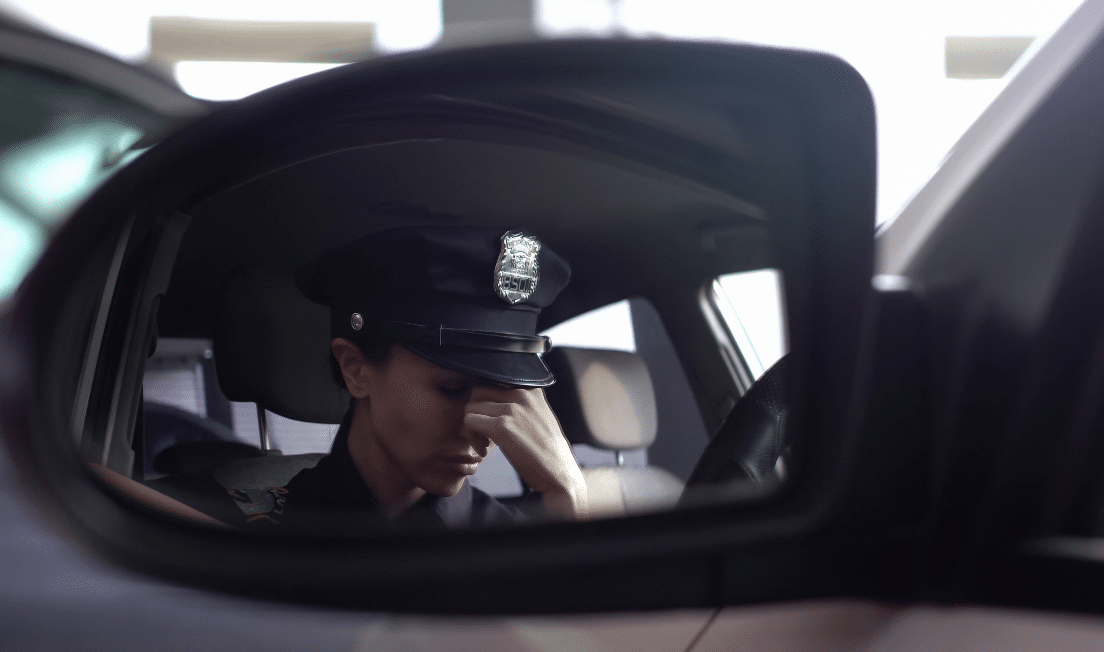
Studies have shown that first responders are at a much greater risk to develop post-traumatic stress disorder than the general public due to their exposure to high levels of physical and emotional stress. Sadly, throughout their career, many first responders will develop anxiety, depression, PTSD, and other mental health issues, that are oftentimes linked to suicide.
Mental health, a once-taboo subject for departments, is now becoming more normalized with the aid of department programs, advocacy campaigns, and initiatives that help educate and bring awareness to PTSD, depression, and other types of mental health issues commonly found in first responders.
September is Suicide Awareness Month. Do your part in helping decrease first responder suicide by learning how to spot the early signs of PTSD in your first responder friends, family members, or colleagues.
Early signs of PTSD to look out for include:
Intrusive Memories
- Memories of the traumatic event
- Flashbacks
- Nightmares or upsetting dreams
- Emotional reactions triggered by a reminder of the traumatic event
Eluding & Avoiding
- Not speaking of the event
- Avoiding people, places, or activities
Behavioral Changes
- Irritability
- Lack of Interest
- Feeling detached
- Memory problems
Physical Reactions
- Easily startled or frightened
- Trouble sleeping and concentrating
- Exhibiting self-destructive behavior
- Always being on guard
Over time, these symptoms can differ and vary in intensity.
If you or someone you know is struggling with any of these signs of PTSD or other mental health issues, you are not alone. Please reach out to a mental health professional. If you do not feel comfortable speaking to a professional, start by reaching out to a close colleague, family member, or friend.
If you are experiencing thoughts of suicide call the National Suicide Prevention Hotline at 1-800-273-8255.
This article is furnished by California Casualty, providing auto and home insurance to educators, law enforcement officers, firefighters, and nurses. Get a quote at 1.866.704.8614 or www.calcas.com.

by California Casualty | Firefighters, Peace Officers |
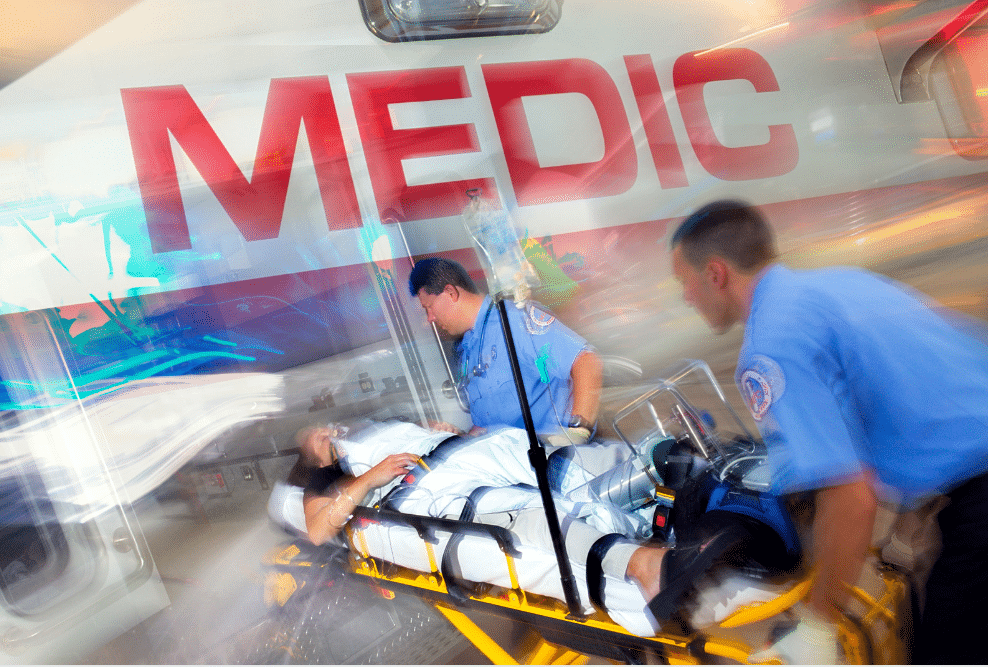
It’s not easy being a first responder- EMS, Fire, Dispatch, LEO, etc. – it’s a rewarding career, but it can really take its toll on your body, physically and mentally.
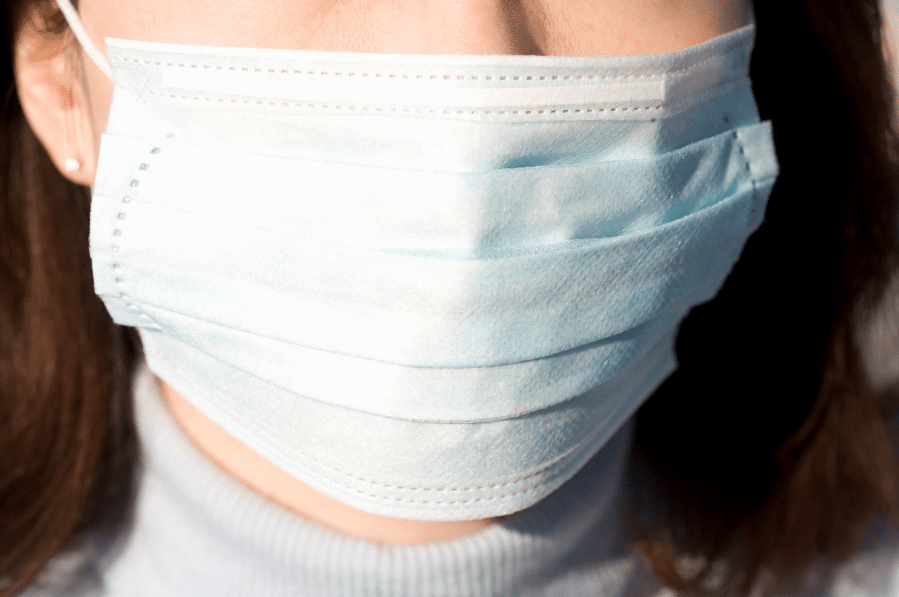
Now, in the midst of a pandemic (and wildfire season), it is even more important than ever for first responders to take care of themselves and stay healthy.
Exercise is required for most first responders, and there are numerous health benefits. Here are 5 reasons why you should exercise frequently, especially during COVID-19.
Improves Health – It’s important for a first responder to stay in shape, and exercise is one of the best ways to lose fat and gain muscle. Regular exercise also helps manage and prevent many other underlying health conditions that make you more susceptible to the virus like: high blood pressure, diabetes, arthritis, strokes, and even cancer.
Reduces Stress – Mental health is just as (or arguably more) important as physical health, especially for first responders under a lot of pressure. When you exercise your brain releases endorphins that help you relax and decrease symptoms of anxiety, depression, and PTSD.
Improves Mood – Not only does exercise reduce stress, but it also boosts your mood, helping you stay on top of your game, even on a stressful day. A study found that only 20 minutes of exercise resulted in improvements in mood, both immediately and for up to 12 hours afterward.
Boosts Immunity – Physical activity produces compounds in your body that have the power to improve your immunity, decrease inflammation, and reduce viral respiratory infections, like ones found in COVID-19 suffers. This is very important for first responders who may be exposed to the virus on duty.
Enhances Cognitive Function – Regular exercise has been proven to reduce fatigue, improve alertness, and concentration, which are all vital attributes first responders need when responding to calls, especially those related to COVID-19.
If you are working out in a gym, even if it’s your own department’s gym, always remember to sanitize before and after equipment use and to maintain social distance when possible.
Stay healthy and be safe out there!
This article is furnished by California Casualty, providing auto and home insurance to educators, law enforcement officers, firefighters, and nurses. Get a quote at 1.866.704.8614 or www.calcas.com.
by California Casualty | Firefighters, Health, Peace Officers, Safety |
Summer heat is tough for anyone, but firefighters, peace officers, EMTs, and paramedics are at increased risk when heat’s extreme.
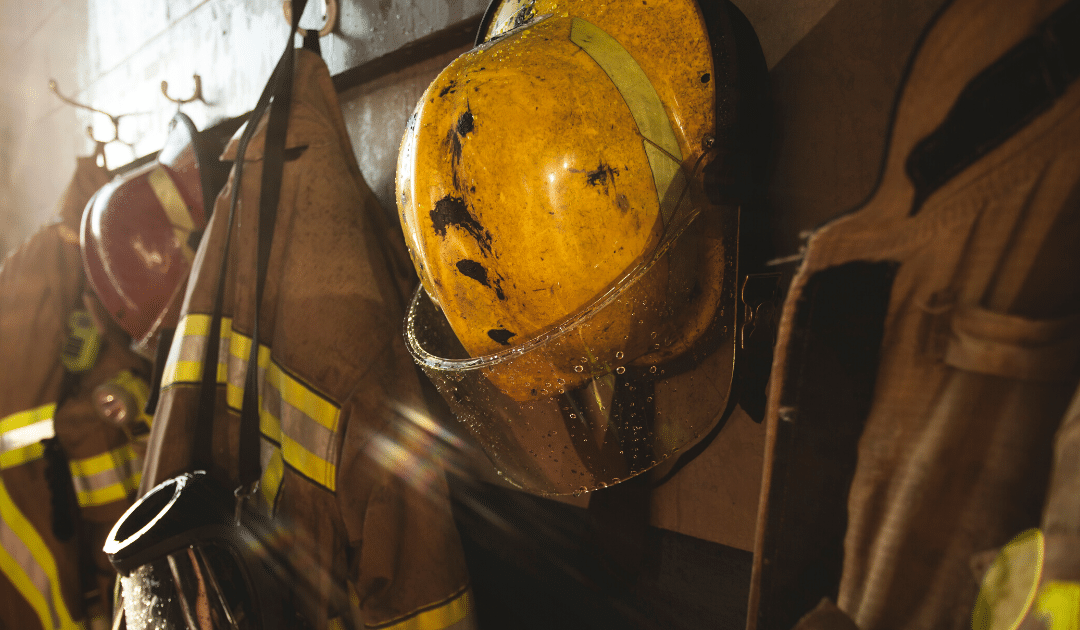
First responders are outdoors for extended periods of time, often in the sun. They’re also usually wearing heavy gear such as firefighting equipment, bulletproof vests (for officers), or other bulky protective equipment.
When these factors combine with elevated temperatures, heat stress can set in quickly. So it’s important for first responders and their departments to be well-versed in both the symptoms and best measures for prevention.
Heat-Related Illnesses: A Slippery Slope
Heat stress can progress from mild to life-threatening when symptoms aren’t addressed. Here are the main stages:
- Heat Cramps or Rashes – Caused by increased sweating, cramps, and rashes are the first sign of stress.
- Heat Exhaustion – At this stage, the body is overheating as a result of excessive loss of water and salt.
- Heatstroke – The most serious heat-related illness, heat stroke happens when the sweating mechanism breaks down and is no longer able to cool the body. Heatstroke can be fatal and requires immediate medical attention.
Signs of heat stress aren’t always obvious — brush up on the symptoms of the above conditions here.
Prevention
Preventive measures can be taken by first responders themselves, as well as their crew members, supervisors, and departments. The most successful heat safety protocols are adopted department-wide and include elements such as:
- Hydration – Staying hydrated is the most important tactic for preventing heat illness. Although first responders know the importance of hydration, it can easily be forgotten in the middle of emergency situations. Water should be made accessible at all times to first responder crews, with the encouragement to hydrate well and often.
- Knowing the signs – It’s important that both supervisors and team members know the signs of heat stress, both to self-monitor and to look out for their colleagues. Implementing a buddy system where partner pairs observe each other for signs of heat stress is also a good idea.
- Rest breaks – Rest periods are essential to ensure that workers can hydrate and cool down. They should occur more frequently when temperatures, humidity, or sunshine increases, when air is stagnant, during especially taxing work, and when workers are wearing protective clothing or gear.
- Cooling station – Especially when emergency calls are extended, a temporary set up where responders can retreat and take a rest is important. For instance, some fire stations supply their crews with trailers with a large fan and a mister; some have air-conditioned “rehab trucks” for firefighters on extended calls.
- Training – Before the hot weather begins, employers should provide heat stress training to all workers and supervisors so they’re better prepared. When possible, training should cover conditions specific to that work site or area.
- Heat alert program – When extreme heat is forecast, it’s important for employers and supervisors to implement a heat alert program, and ensure their workforce is safe and on the lookout.
- Acclimatization – First responders can become acclimatized to working in hot environments, gradually increasing their physical stamina and sweating proficiency. Acclimatization is achieved through evidence-based training programs provided by employers.
- Fitness — The risk of heat stress increases with obesity, high blood pressure, heart disease, lack of physical fitness, and certain medications. All the more reason for first responders to improve their diet and exercise where they can.
Finally, although not a factor in heat illness per se, extensive sun exposure over time increases skin cancer risk. A 2017 study in the Journal of the American Medical Association found that skin cancer risk in firefighters is greater than in the general population. Wearing (sweat-proof) sunscreen should be a daily habit.
This article is furnished by California Casualty, providing auto and home insurance to educators, law enforcement officers, firefighters, and nurses. Get a quote at 1.866.704.8614 or www.calcas.com.
by California Casualty | News, Peace Officers |
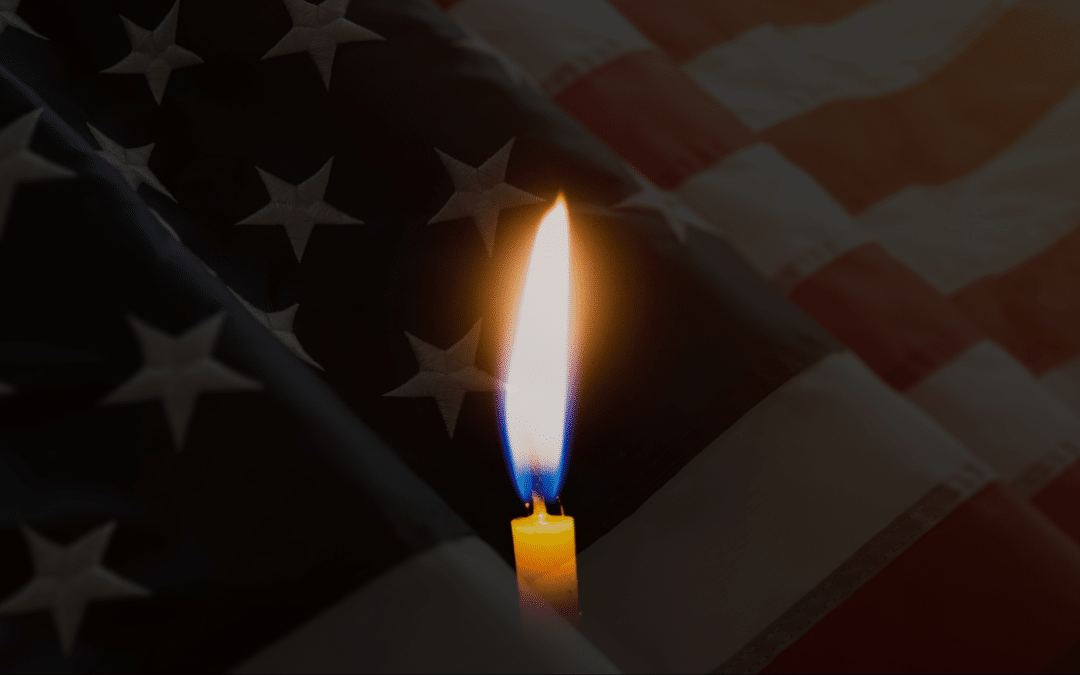
In 2019, the lives of 307 law enforcement officers were tragically cut short. For the last several decades, in mid-May, upwards of 40,000 people would gather in Washington, D.C. for Police Week.
During the week, fellow officers, friends, and family members gather to honor and pay tribute to those who have made the ultimate sacrifice the year prior, like the 307.
This year, however, will be different than years past. We will not be there physically; no one will, but the memories of those lost will not be forgotten. Due to COVID-19 and social distancing guidelines, this year Police Week will pay tribute to their fallen heroes by holding their Candlelight Vigil virtually.
For 10 years, California Casualty has been a sponsor of the Top Cops Awards – and each year, members of our Partner Relations team have been given the opportunity to attend Police Week. Through these events we’ve had the privilege of really getting to know our Law Enforcement Officers, their families, and their brotherhood.
In past-years at the Candlelight Vigil ceremony we’ve held our candles side-by-side with these Law Enforcement Officers, their families, and loved ones. We’ve stood in awe and watched the entire field of the National Monument go dark, only to be illuminated with the glow of candlelight. We’ve recognized and paid our respects to those who have lost children, mothers, fathers, siblings, and friends, and we’ve cried alongside our Law Enforcement family, bleeding blue in support of their losses.
Like most events taking place in the world right now, this year will not look the same, but our fallen officers and their families still need that same support.
To commemorate the lives lost in the line of duty in 2019, and in support of our many friends in Law Enforcement, our team will be tuned in digitally to show our support and pay our respects. Join us online at 8PM EST on May 13th, 2020 to remember and honor those that have made the ultimate sacrifice.
To watch the Candlelight Vigil you can tune into our Facebook, where we will share the live stream of the ceremony to our page OR you can visit the National Law Enforcement Officers Memorial Fund or the National Law Enforcement Museum on Facebook, YouTube, or Twitter.
For more than 50 years, Law Enforcement associations across the US have relied on and trusted California Casualty to protect their members superior auto and home insurance coverage.
Get a quote at 1.866.704.8614 or www.calcas.com.
by California Casualty | Behind the Scenes, Educators, Firefighters, Nurses, Peace Officers, Video |
day with firefighte
Together We CAN.
During these trying times, it’s important to know that you are not alone. You have a community of people behind you, encouraging and fighting for you.
Nurses, doctors, and other healthcare professionals are leading the fight on the frontlines against COVID-19, stepping up heroically in the face of incredibly long hours, heartbreaking care cases, and increased personal risk. Peace officers, firefighters, paramedics, and other emergency personnel are on the frontlines risking their own lives to keep our communities safe and in working order during this public health crisis. While teachers, school administrators, and education support professionals have completely changed their teaching strategies to accommodate students so they can stay safe at home and finish out the rest of the school year virtually.
We have never been more thankful for our everyday heroes than we are right now.
The coronavirus pandemic has turned our daily lives upside down, but when we come together as a community- as neighbors, as family, as friends -we are unstoppable. We CAN get through this and we WILL. Together we CAN.
We’d like to extend an extra special thanks to the Firefighters, Police Officers, Teachers, and Nurses who took the time to participate in our Together We CAN video. It is a privilege to hear about your daily experiences throughout the pandemic, firsthand. We appreciate your courage and dedication to helping keep us safe now, more than ever. Thank you.
This video is brought to you by California Casualty, providing auto and home insurance to educators, law enforcement officers, firefighters, and nurses. Get a quote at 1.866.704.8614 or www.calcas.com. Be sure to check out our Heroes series at https://mycalcas.com/leoheroesvideo/ or visit California Casualty’s YouTube Channel.
The Heroes Video Series was filmed and produced by Wide Awake Films.
If you’re not already following California Casualty, you can find us on Facebook, Instagram, Twitter, Pinterest, YouTube and LinkedIn.
At California Casualty, our mission is to provide trusted, personalized auto and home insurance protection. exclusively for educators, law enforcement, nurses and firefighters—those who protect, strengthen and enhance the quality of life in American communities.

by California Casualty | Peace Officers |
This month, communities across the nation will celebrate, honor, and thank peace officers for their service and sacrifice. National Police Week is May 10 – 16 and Peace Officer Memorial Day is May 15; and although most events will be virtual, the spirit of gratitude is sure to be stronger than ever.
During these days of COVID-19, peace officers are on the front lines all day, every day. They are keeping communities safe, patrolling and responding to emergencies, all while covering for colleagues who’ve fallen sick, risking infection personally and oftentimes working overtime or without PPE.
Their heroism on the coronavirus front lines is plenty to celebrate—but it’s worth remembering (and celebrating) all the ways they serve and protect us, and the reason they joined the force in the first place.
Call of Duty
The motto of the Minneapolis Police Department is “To Protect with Courage, To Serve with Compassion.” The NYPD’s is “Fidelis ad Mortem (Faithful unto death).” In Los Angeles, the LAPD’s is “To Protect and to Serve,” and in Texas, the Houston Police Department’s is “Order through law, justice with mercy.”
These mottos speak to the sense of duty that draws these everyday heroes to law enforcement. It’s a profession that demands integrity, honor, intelligence, and a commitment to justice and fairness—and perhaps more importantly, a call to serve a community greater than themselves.
What Do Peace Officers Do?
In simplest terms, their job is to fight and prevent crime, as well as to maintain law and order. However, their duties span a range of responsibilities, including:
-
- Conducting patrol duties on foot or by car, bicycle or motorcycle
- Responding to calls to assist at incidents such as criminal activity, domestic disputes, fires, and public disorder
- Attending collision scenes, vehicle checkpoints and vehicle offenses
- Saving lives
- Delivering death and hospital messages to families
- Conducting initial investigations, gathering evidence, taking statements and conducting arrests
- Searching personal property, individuals, vehicles, premises, and land
- Preparing crime reports and presenting case files to senior officers
- Attending and giving evidence in court and at other hearings
- Building and maintaining community relations, including advice and support in areas such as crime prevention and personal safety
Serving at All Levels
Officers may also choose to work in specialized bureaus or divisions, including the State Troopers, Crimes Against Children, Crimes Against the Elderly, Sheriff Deputies, SWAT, Narcotics, Patrol Officers, Dispatchers and more.
Special law enforcement units exist within local/county agencies, state agencies, and at the federal level. From local police and highway patrol to the FBI, Department of the Coast Guard, and U.S. Secret Service, law enforcement officers serve at every level of government.
In Remembrance
With duty comes risk, and unfortunately every year we learn of those who’ve made the ultimate sacrifice. Every May 15, for Peace Officers Memorial Day, flags are flown at half-mast as the nation pays tribute to those who’ve fallen. You can join the observance by using #PeaceOfficersMemorialDay on social media and sharing your thanks.
Thank an Officer
Besides thanking an officer in person (from 6+ feet away), there are a number of ways you can thank and help them—read our tips here.
This article is furnished by California Casualty, providing auto and home insurance to educators, law enforcement officers, firefighters, and nurses. Get a quote at 1.866.704.8614 or www.calcas.com.