
by California Casualty | Helpful Tips, Homeowners Insurance Info |
While older homes are known for their craftsmanship and character, they often require extra attention when it comes to safety. Understanding potential hazards — from lead paint to carbon monoxide — can help you take the right steps to maintain a safe and healthy living environment. Here’s what you need to know.
Electrical Systems: When Yesterday’s Wiring Meets Today’s Demands
Many homes built before the 1940s still contain knob-and-tube or aluminum wiring. While these systems may have worked just fine decades ago, they often can’t handle the electrical load of today’s appliances, devices, and technology. That strain can increase the risk of overheating and fire.
Warning signs that your electrical system needs attention include flickering lights, frequently blown fuses or tripped breakers, and an overreliance on extension cords or power strips. Unusual odors or a burning smell near outlets are serious red flags. Stop using the outlet immediately and contact a professional.
Having a licensed electrician inspect your wiring is one of the smartest investments you can make in an older home. An evaluation will confirm whether your system is up to code and help identify upgrades that can significantly improve safety.
Plumbing: Old Pipes, New Problems
Older homes often have a patchwork of plumbing materials, including cast iron, galvanized steel, polybutylene, and even lead pipes. Over time, these materials can corrode, crack, or restrict water flow.
Galvanized steel pipes, in particular, are prone to corrosion that can cause low water pressure and discoloration, while polybutylene pipes are known for leaks and sudden failures. Slow or frequently clogged drains — in bathrooms, kitchens, or basement floor drains — can also indicate aging pipes.
Another hidden concern lies underground. Sewer lines in older neighborhoods may be compromised by roots from mature trees, potentially leading to backups and basement flooding. Replacing aging plumbing with modern materials like copper or PEX can reduce leaks, improve water quality, and prevent expensive damage down the road.
Heating, Cooling, and Insulation: Comfort Challenges in Historic Homes
Many older homes were built long before central air conditioning was common. Radiator heating systems are still found in houses from the early 1900s, and these homes often lack ductwork entirely. Thick plaster walls or walls that are too thin can make adding ducts difficult or impractical, leaving homeowners reliant on window units or ductless air conditioning systems.
Energy efficiency is another challenge. Drafty windows, uninsulated attics, and gaps around doors allow heated and cooled air to escape, driving up energy costs. Improving insulation, sealing cracks, and upgrading heating and cooling systems can make a noticeable difference in comfort and efficiency without sacrificing historic character.
Hazardous Materials: Hidden Risks You Can’t Ignore
Homes built before the late 1970s are more likely to contain hazardous materials, including lead paint and asbestos.
Lead-based paint is particularly dangerous for children and pregnant women. Even if it’s been painted over, deteriorating lead paint can create toxic dust and chips. Federal law requires sellers and landlords to provide a lead disclosure for properties built before 1978, and homeowners can use lead test kits or hire certified inspectors for peace of mind.
Asbestos may be found in insulation, floor tiles, siding, or roofing materials. When disturbed, asbestos fibers can cause serious lung disease and cancer, making professional removal essential.
Radon is another invisible threat. This naturally occurring radioactive gas forms from decaying rock and soil and can accumulate in homes, especially those with dirt or stone foundations. Testing is the only way to know if radon levels are high, and professional mitigation systems can effectively reduce exposure.
Windows and Doors: Drafts, Decay, and Energy Loss
Wooden window and door frames in older homes can rot or warp over time, making them difficult to open, close, or seal properly. Single-pane glass, which is common in vintage houses, offers little insulation and can significantly increase heating and cooling costs. Inspect windows and doors for drafts, gaps, and signs of decay. Installing weatherstripping, applying sealants, or upgrading to energy-efficient replacements designed to match the home’s style can improve comfort without compromising aesthetics.
Moisture and Mold: A Silent, Spreading Problem
Older homes weren’t built with modern moisture barriers, making them more susceptible to water intrusion, flooding, and mold growth. Basements and crawl spaces are particularly vulnerable, especially if the foundation has cracks or drainage issues. Plaster walls can also absorb moisture, creating ideal conditions for mold.
Mold isn’t just unsightly; it can pose serious health risks. Addressing moisture issues promptly is key. That may include improving exterior drainage, sealing foundation cracks, increasing ventilation, installing sump pumps, or applying waterproof coatings to basement walls.
Pest Infestations: Unwanted Tenants
Termites, carpenter ants, and rodents are especially attracted to older homes with untreated wood and small entry points. Left unchecked, pests can cause significant structural damage. Regular inspections and prompt treatment can help protect both your home and your investment.
Structural Issues: The Weight of Time
Decades of settling, moisture exposure, and pest activity can weaken a home’s foundation, beams, and joists. Homes built before the 1940s often rest on stone, brick, or early concrete foundations that don’t meet modern building standards.
Warning signs include uneven or sloping floors, doors that won’t close properly, cracks near ceilings or doorways, bowing walls, and large horizontal foundation cracks. Addressing structural issues early can prevent more extensive — and expensive — repairs later.
Roofing: First Line of Defense Against the Elements
Slate, clay tile, and wood shingle roofs are beautiful and durable, but even these materials wear down over time. Cracked tiles, missing shingles, water stains on ceilings, or visible sagging are signs it’s time for a professional inspection. Staying proactive helps prevent leaks and costly water damage.
Historical Preservation: When Rules Apply
If your home is located in a historic district or designated as a landmark, renovations may be subject to strict guidelines. Certain materials or methods may be required, and repairs often need specialized craftsmen. Understanding local regulations and working with experienced professionals can save time, money, and frustration.
Unique Insurance Considerations
Older homes can present unique insurance challenges, from higher repair costs to the need for specialized coverage. Rebuilding with like-kind materials, meeting updated building codes after a loss, or insuring valuables may require additional planning. A knowledgeable insurance provider can help ensure your coverage reflects the true needs of your home.
Owning an older home means embracing both its beauty and its quirks. With regular inspections, thoughtful upgrades, and a proactive approach to maintenance and insurance, you can enjoy its character while keeping your household safe and secure.
This article is furnished by California Casualty, providing auto and home insurance to educators, law enforcement officers, firefighters, and nurses. Get a quote at 1.866.704.8614 or www.calcas.com.
by California Casualty | Calcas Connection, Finances, Homeowners Insurance Info, Safety |
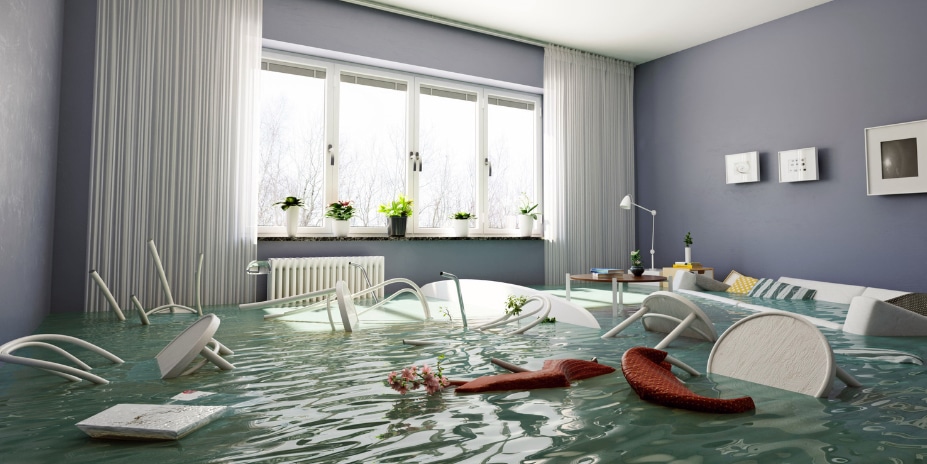
Flooding is one of the costliest natural disasters in the United States, with the potential to impact millions of homes and communities. While FEMA and other agencies provide flood maps to help homeowners understand their risk levels, many of these maps are outdated, leading to a false sense of security for people who live in areas not designated as high-risk. Floods, however, aren’t limited to high-risk zones; even areas classified as low-risk are vulnerable under certain conditions. For these reasons, it’s vital to consider flood insurance no matter where you live.
Outdated Flood Maps and the Misleading Risk of Flooding
Flood maps are designed to inform residents and local authorities about the likelihood of flooding based on historical data, topography, and other factors. FEMA’s maps, for instance, divide areas into high, moderate, and low-risk zones, which guide flood insurance requirements and building regulations. However, some flood maps haven’t been updated for years and many don’t accurately reflect changes in land use, climate patterns, or new developments, which can significantly alter flood risks.
Changes to flood risks include:
- Urban Expansion: As cities and towns expand, natural land is replaced with pavement and buildings, which leads to increased runoff and reduced soil absorption. Areas previously considered low risk might become more prone to flooding as water has fewer places to go.
- Climate Change and Extreme Weather: Flood maps are based on historical data and often don’t account for the increasing frequency and intensity of extreme weather events that can result in both droughts and unprecedented rainstorms, often within the same year. In areas affected by wildfires where vegetation loss reduces soil stability, runoff increases. Outdated flood maps may fail to reflect these climate driven impacts, leading many property owners to underestimate their exposure.
- Erosion and Infrastructure Changes: Natural factors like erosion, as well as human-made infrastructure changes, can impact flood patterns over time. Rivers shift, drainage systems get updated, and dams or levees are added or removed—all of which can alter the flow of water and increase the risk in areas thought to be safe.
The Risks of Flooding in “Low-Risk” Areas
Approximately 40% of flood insurance claims in the U.S. come from properties located outside designated high-risk flood zones. Many low-risk or moderate-risk areas are prone to what is known as “flash flooding” from sudden, heavy rainfall or overflowing drainage systems that cannot keep up. Recent flooding incidents in areas far from coastlines or rivers illustrate how floodwaters can impact anyone, anywhere.
Causes of flooding in low-risk areas include:
- Heavy Rainfall: Even a few hours of intense rain can lead to flash flooding, especially in areas with inadequate drainage or impermeable surfaces like concrete. Low-risk flood zones can still see significant flooding from strong, localized storms.
- Snow Melt and Frozen Ground: In colder climates, rapid snowmelt or rain on frozen ground can lead to significant runoff, overwhelming waterways and drainage systems even in low-risk flood areas.
- Infrastructure Failures: Overflowing sewer systems, clogged drainage, or burst water mains can also lead to localized flooding, impacting areas that flood maps don’t highlight.
Because low-risk zones are not usually required to have flood insurance, many homeowners assume they’re safe. Unfortunately, without a flood-specific insurance policy, any flood damage may need to be covered out-of-pocket, which can lead to devastating financial loss.
Why Flood Insurance Is Essential, Even Outside High-Risk Areas
Given the limitations of flood maps and the growing risk of unexpected flooding, flood insurance is a wise investment for all homeowners. Standard homeowner insurance policies typically do not cover flood damage, so without flood insurance, homeowners face the full financial impact of repairs, replacement of belongings, and sometimes even temporary housing costs.
Here are several reasons to consider flood insurance regardless of risk classification:
- Affordable Coverage in Low-Risk Areas: In areas considered low- to moderate-risk, flood insurance premiums are often lower than in high-risk zones. This makes it possible to secure essential coverage without significant cost.
- Financial Protection: The cost of even minor flooding can add up quickly. Carpets, drywall, and flooring may need to be replaced, and waterlogged appliances or furniture might be beyond repair. Flood insurance helps cover these costs, sparing you from paying out of pocket.
- Home Value and Mortgage Requirements: While most mortgage lenders don’t require flood insurance in low-risk areas, opting for coverage can help protect your home’s value by making it easier to get it back to pre-flood condition.
- Adaptability to Climate Change: As weather patterns continue to change, so does the risk of flooding. Flood insurance ensures that you are protected no matter what nature brings, providing adaptable protection in an unpredictable environment.
Taking a Proactive Approach to Flood Protection
Beyond purchasing flood insurance, you can take steps to protect your property from potential flooding:
- Upgrade Drainage Systems: Make sure gutters and downspouts are clear and well-maintained to help direct rainwater away from your home.
- Install Sump Pumps or Flood Barriers: For homes with basements, sump pumps can be a lifesaver in the event of heavy rain. Flood barriers can also be installed around doors and windows for additional protection.
- Regular Property Checks: Monitoring your property for pooling water and ensuring nearby storm drains are clear can help reduce localized flooding.
Outdated flood maps and assumptions about risk can lead to costly surprises for homeowners. While flood insurance may seem unnecessary in low-risk areas, recent floods across unexpected locations show that no one is entirely safe from flood risks. By securing flood insurance and taking proactive protective measures, you can shield your finances and assets from unforeseen disasters – and be prepared no matter what the flood maps say.
If you’re interested in learning more or getting a flood insurance quote, the California Casualty Agency Services team can help. Call 1.877.652.2638 or visit https://www.calcas.com/flood-insurance.

by California Casualty | Auto Insurance Info, Finances, Homeowners Insurance Info |
You had a checklist for the perfect wedding. Now that the big day is over, you’re ready for the next step: the “to do” list after the “I do’s.”
We’ve put together the definitive checklist so that you won’t miss a thing as you transition into married life. It’ll be a piece of cake – pun intended – after planning a wedding. Remember, you’ve got this.
- Take care of the post-wedding details.
The wedding may be over, but there are likely some details that still need to be addressed. You’ll want to take care of them in a timely fashion, but most can wait until after the honeymoon.
- Returned rented clothing and items. Take your wedding dress to be cleaned, boxed, and preserved.
- Pay outstanding vendor bills. Many wedding vendors require payment on the day of your event, but for those who will bill you, make sure to pay them promptly.
- Order photos. Set aside several hours to review your photos and choose the top 20-30. Then create a flow that tells the story of the day from start to finish.
- Send thank you notes within 3 months of the wedding. Consider alternatives to handwritten notes, such as postcards with a photo of the wedding and a heartfelt sentiment.
- Request your marriage certificate.
This is not to be confused with your marriage license, which is the legal document that allows you to get married. A marriage certificate is legal proof that you are married. It often has a raised seal.
- After the ceremony, it is the responsibility of your officiant to bring the marriage license to the county clerk so that a marriage certificate may be generated.
- Contact the county clerk’s office and order 3-5 certified copies. Note that there will be a charge for each one that you request.
- Arrange to have the copies mailed, or for you to pick them up.
- Legally change your name (optional).
If you plan to change your name, there is a process to follow.
- You will need your marriage certificate to apply for a new social security card. That’s the first step in changing your name.
- Once you have a social security card, you can take that, your marriage certificate, and proof of address and visit the Department of Motor Vehicles for an updated driver’s license. You are now ready to use your new ID to update your name on your financial accounts. (See below.)
- You also may want to update your name on your social media accounts.
Pro Tip: If you don’t want to take the time to do it yourself, there are companies that provide name change services for a fee.
- Alert your employer.
If you changed your name and/or your address, you want to alert your employer so that they have the correct information on file.
- Provide a copy of your new driver’s license to your employer, which will include your new name and/or address.
- Make sure your employer has updated bank deposit information for payroll, health insurance, and your 401K.
- Request new business cards and/or an updated email address.
- Update your financial accounts.
Your financial accounts need to be updated if you changed your name and/or address. In addition, this is a good opportunity to take stock of your finances, create a budget, and how you will move forward as a married couple.
- Provide a copy of your marriage certificate, updated driver’s license, and proof of address to update the information at your bank.
- Do the same for any loans, such as car loans and mortgage providers, and for your credit cards.
- Set up a joint bank account if desired. Order checks with your married name and address.
- Update or change your insurance.
Now that you’re married, you will want to update your homeowner’s or renter’s policy and auto insurance so you’re together on the same policy.
- Contact your insurance provider to update them on your new name, address, and marital status. You will need to do this even if you do not change your name.
- Determine what changes need to be made on your homeowner’s or renter’s and car insurance policies. If you had individual policies previously, you would want to cancel them and have a new policy written for both of you.
- You may qualify for discounts through bundling Don’t forget to ask about those.
- Alert your service providers.
You’ll also want to update your service providers with your new name and address.
- Contact the utility providers for your home, including gas, electric, water, and Internet.
- Make a list of your doctors and other medical providers and alert them with new information, including updated health insurance if applicable.
- Update your memberships and subscriptions with any new information.
- Notify the government.
You’ll want to make sure that your married name is listed with your local town and various government agencies.
- If you own your home, check with the town/county clerk, and make sure your married name is listed on the property deed. This should also put your correct name on property taxes and sewer bills.
- Update your name (and if needed, address) with the post office and with your state’s voter registration.
- File for a new government-issued passport in your married name so that you’ll be ready for your next adventure.
- Merge your stuff.
You brought stuff to the marriage and so did your partner. Likely, you have duplicates. Now is a good time to decide what to keep and what to give away or sell. There are many Free Cycle and Buy Nothing Groups to donate right in your local community.
- Sell or donate your wedding dress, wedding décor, and any other wedding-related supplies that you no longer need.
- Go through your household items to look for duplicates. Decide to regift or sell.
- Return any unwanted wedding gifts within 2 months. You may use the credit with the store to buy the items you still need.
- Make a newlywed bucket list.
The wedding may be over, but your adventures are just beginning. To help with the post-wedding blues, create your newlywed bucket list and start planning.
- Make a list of the things you’d like to do together. Then choose a few you’d like to try sooner rather than later.
- Remember that it doesn’t have to be costly. You just spent a lot on a wedding and honeymoon. Maybe it’s hosting your first dinner party as a married couple or trying out a new hobby together.
- Plan a one-year anniversary vacation. Follow these pro tips to save money when you travel. You’ll have a year to save for the trip, and it will be another wonderful celebration of your new life together.
This article is furnished by California Casualty, providing auto and home insurance to educators, law enforcement officers, firefighters, and nurses. Get a quote at 1.866.704.8614 or www.calcas.com.
by California Casualty | Finances, Homeowners Insurance Info |
A home inspection is an important part of buying and selling a home. In fact, it can make or break a sale. That’s why the questions you ask your home inspector are so important.
We’ve compiled a list of questions so you can get the most out of your home inspection. Keep this list handy and share it with anyone who is buying or selling a home.
First, a quick explanation about home inspections vs. home appraisals…
It’s easy to confuse home inspections with home appraisals. The processes are similar.
- A home inspector looks at the condition of a home and its systems, from electrical and plumbing to heating and ventilation, foundation, and more. He or she points out any areas of major concern. These are repairs that can be negotiated before the home is sold. Otherwise, the home inspection report is a “to do” list for the future homeowner.
- A home appraiser’s job is to estimate the value of the home. He or she looks at the condition of the house and notes any upgrades. The appraiser compares the home to similar ones in the area. Then, they establish a value and share it with the lender. That way the loan amount does not exceed the value of the home.
Most lenders require home inspections for loan approval. If you’re buying a home, the home inspection helps you know exactly what you’re getting. If you’re selling a home, you may consider doing a pre-listing home inspection. That can flag any major issues that could cause buyers to withdraw their offer.
Here’s what to ask your home inspector before and during the inspection.
What are your credentials?
Maybe your realtor referred you to a home inspector. Maybe you found him or her through Google, a Facebook neighbors’ group, or old-fashioned word of mouth. Either way, you want to make sure your home inspector has the right training and experience.
- How long have you been doing this?
- Do you belong to a state or national association?
- Do you participate in any continuing education?
- Are you bonded and insured? (If anything happens to the property during an inspection, the bond will protect the homeowner.)
- May I get references from satisfied clients?
- May I get a copy of your inspector’s license and insurance?
What are the payment details?
Home inspection is a service that is paid for by the person requesting the inspection. It could be the prospective homebuyer, or it could be the seller who wants to make sure everything is in order before placing the home on the market. Home inspection costs vary, depending on the region, size, and age of the house.
- What will the home inspection cost?
- When do you need payment? (Most inspectors will need payment immediately after the inspection.)
- What type of payment do you prefer?
What does the report look like?
You want to know what you’re purchasing ahead of time, and an easy way to do that is to see a sample inspection report. You’ll be able to see your inspector’s reporting style, whether there are pictures, etc.
- Can I see a sample report?
- Do you provide digital photos?
- How long after the inspection do you provide the report?
- How do you send it?
What does the inspection cover?
A home inspection should comply with standard practice and meet all requirements in your state. If you live in a condo, your inspector does not have to inspect the common spaces, roof, or exterior walls. For single family homes and townhomes, you can expect the full home to be reviewed. However, this may not include radon or mold, so double check if you need additional inspections for those hazards.
- Do you walk the roof? (It’s better if your inspector does. Some just use binoculars to eyeball any roof damage.)
- Do you do sewer line or septic tank inspections?
- Do you test for radon or mold?
- Do you test for lead (for homes built before 1978)?
- Do you test for carbon monoxide or check the smoke detectors?
- What does the inspection not cover?
May I attend?
You should be allowed to attend your home inspection, and it’s a good idea. (It’s also a red flag if your inspector says you are not allowed. Consider getting another inspector.) It takes about 2-3 hours for a typical single family home inspection, so be sure to allocate enough time. Come prepared with a list of questions. This is a great learning experience about your new home.
- Where is the main water shutoff?
- Where is the main electrical breaker?
- What is the age of the home’s systems? The roof?
- What is the routine maintenance needed for each of the home’s systems?
- What kind of pipes does the home’s plumbing system have (e.g. copper, CPVC water piping or polybutylene)? Polybutylene is defective water piping that is no longer being made.
- Are there any ungrounded outlets? These can become a fire hazard or short-circuit your appliances.
- Is the home well insulated? This will impact your energy bill.
- Does the home appear to be a flip (and therefore lower quality materials used in the renovation)?
Pro Tip: Verify that all permits have been pulled by the city or county for any renovations to the home. Failure to do so can tip you off that there were corners cut.
What should I do about the problems identified?
If you’re the buyer, you can use the problems as a negotiating point with the seller. If the problems are too costly, or living conditions are unsafe, you could walk away from the sale. While some states and associations forbid an inspector from performing repairs, you can ask your home inspector for guidance.
- Can you recommend a professional for this repair?
- What would you fix first if this were your home?
- Will you answer questions after the inspection?
- Do you perform re-inspections of a home to make sure everything is fixed? Not all inspectors do this due to liability issues.
With a successful inspection behind you, you’re ready to take the next step as a new homeowner. Protect your new home with the right insurance. Looking for a quote? Call us today.
This article is furnished by California Casualty, providing auto and home insurance to educators, law enforcement officers, firefighters, and nurses. Get a quote at 1.866.704.8614 or www.calcas.com

by California Casualty | Homeowners Insurance Info |
You’ve bought your dream home and it’s time to get it insured. You want to choose the right coverage to fully protect your investment. While you have a basic idea of what home insurance probably covers, you may not know the particulars.
A homeowner’s policy is actually a “package” of coverages. It protects your home from specific events that can damage your property, and provides additional living expenses if you are unable to live there due to an insured loss. It also protects your personal belongings. In addition, your homeowner’s policy covers you for lawsuits or liability claims that might otherwise be your responsibility if you accidentally injure other people or damage their property. Here’s the breakdown from A to Z (or in this case, F).
Coverage A: Dwelling
Dwelling coverage refers to the structure of your home. This includes the roof, walls, floorboards, cabinets, and bath fixtures. The easiest way to think about it is that if you could tip your house upside down, the dwelling is everything that remains attached.
What is covered: This insurance covers open perils. That means a loss is covered unless it’s excluded by your policy. Coverage A generally covers direct physical loss due to fire/smoke, lightning, windstorms and hail, explosions, vandalism and theft. If one of these perils destroys your home, your insurance provider will pay to rebuild it up to your policy limits.
What is not covered: If it is listed as an exclusion, it is not covered. Typically, natural disasters such as flooding and earthquakes are not covered by dwelling coverage. You can add these coverages with a separate policy or an endorsement added to your property policy.
Coverage B: Other Structures
If your pool is in the ground or installed permanently above the ground on your property, it is covered under Coverage B – Other Structures. This is an insurance term describing a detached structure on your property. Other structures include pools, fences, gazebos, sheds, etc. However, if your pool is above-ground but portable, it is considered part of your personal property and covered by Coverage C – Personal Property insurance.
What is covered: This insurance covers open perils. That means a loss is covered unless it’s excluded.
What is not covered: Typical exclusions include flood, earthquake, or wear and tear. For other structures, the coverage limit is generally set at 10% of your home’s coverage limit. That means if your home is insured for $200,000, the coverage limit for your detached garage would be $20,000. For an additional premium, you can add an endorsement to increase your coverage.
Coverage C: Personal Property
Personal property coverage protects your possessions, such as furniture, clothes, sports equipment, and other personal items. Again, if you could tip your home upside down, everything that would fall out is considered personal property. This coverage protects these items whether they are in your house or off-premises.
What is covered: If your possessions are stolen, or damaged by fire/smoke or any of 16 covered “perils,” your policy will pay for them subject to your deductible. For personal property coverage on a homeowner’s policy, you typically get 50 or 75% of Coverage A, the total amount of coverage for your home. You may choose replacement cost or the actual cash value (ACV) for reimbursement. ACV is the amount the item is worth, minus depreciation for its age. It will cost a little more for a policy that provides replacement cost.
What is not covered: There are dollar limits for certain items, such as jewelry, firearms, animals, cars, planes. See your policy for a full list. You may choose to purchase additional coverage to ensure your valuables are fully insured.
Coverage D: Loss of Use
If your home is damaged in a covered loss, it may not be livable. If that’s the case, you would need to stay somewhere else. Loss of Use, also called Additional Living Expense, covers you for any necessary increase in living expenses, such as lodging, food, and gas.
What is covered: Your policy will provide a flat percentage toward living costs, usually 30% of the Coverage A amount.
What is not covered: Some states have time limits on when you can use this coverage. Payment will be for the shortest time required to repair or replace the damage, or if you permanently relocated, the shortest time required for your household to settle elsewhere.
Coverage E: Personal Liability
Personal Liability protects you if a claim is made or a suit brought against you for bodily injury or property damage caused by an occurrence to which coverage applies. Liability covers you at your place or anywhere in the world.
What is covered: If you are found liable, the policy will pay up to its limit of liability for damages for which an insured is legally liable. This can include medical expenses, lost wages, pain and suffering, and permanent scarring. The policy also provides a defense in court, if needed, for the policyholder. This is at the insurance company’s own expense.
What is not covered: You are only covered up to your policy’s limit. Coverage starts at $100,000 but should be increased to a minimum of $300,000. You want to consider how much the home and all of your assets are worth and select an amount up to $1,000,000. If you have a pool, hot tub, trampoline or other attractive nuisance which is likely to attract children, consider adding an umbrella policy for additional coverage.
Coverage F: Medical Payments & Other
If you are not liable, but your guest was injured through his/her own fault, then Coverage F – Medical Payment to Others may cover your guest’s medical bills.
What is covered: Under Coverage F, the insurance company will pay the necessary medical expenses to a person injured on the insured location with the permission of an insured, or off the insured location if the injury is caused by the activities of an insured or caused by an animal owned by an insured.
What is not covered: You and your family are not covered. This is only for guests, and they are only covered up to the limit of your policy.
A Word About Deductibles
Generally, the higher your deductible, the lower the cost of your insurance premium. Since the deductible is the amount your insurance provider will subtract from an insurance payout, you’ll want to select a deductible that you’re comfortable paying out-of-pocket after a loss.
Common Home Endorsements
You may add specific endorsements to your homeowner’s package of policies for additional coverage. Here are some of the most popular ones.
Scheduled personal property (SPP) Coverage is for items that have higher values above your personal property coverage limits. This includes heirlooms, watches, jewelry, instruments, and furs. SPP offers much broader coverage for your precious items – if you misplace a set of earrings, they are covered; if a diamond falls out of a ring, or a guitar breaks, they’re covered. There is no deductible if the covered items are stolen, lost, or damaged. Insurance pays the lowest of the four options: repair, replace, actual cash value or the amount of insurance.
A Water Back Up and Sump Discharge or Overflow Endorsement covers two potential losses: (1) if the sewer backs up into your home via the sewers or drains or (2) if your sump pump overflows or discharges. The amount of coverage and the deductible vary by states. The endorsement comes with a maximum amount of coverage ($5,000 or $10,000) and its own deductible ($250, $500 or $1,000).
Home Day Care Coverage: This extends your liability coverage to those in your care. Most states require you to have it for licensing, and parents also may request to see proof of this coverage.
Refrigerated Property Coverage: When there is a power outage, the food in your refrigerator could spoil. A standard homeowner’s policy may cover the costs of replacing some of the food. A refrigerated property policy provides additional coverage. A refrigerated property policy adds up to $500 of coverage for property, such as meat that spoils because of a power outage or equipment failure.
Special Computer Coverage: Consider a special computer coverage option to ensure you are covered for your devices: desktop computers, laptops, tablets and smart phones. With this coverage, you will receive more money for your devices if they are damaged than with traditional homeowner’s.
Permitted Incidental Occupancies: If you have a home-based business, this endorsement increases the coverage for your business property. This includes furniture, equipment, and supplies.
Ordinance or law coverage helps you bring your home up to current building codes for repairs and/or rebuilding.
Identity fraud coverage covers the expenses associated with identity theft.
Remember that you can ask for ways to lower your home insurance costs when you purchase a policy. You may be eligible for group discounts. There are discounts if you have a burglar/fire alarm. There also is a cost savings and convenience of paying in full with most policies.
This article is furnished by California Casualty, providing auto and home insurance to educators, law enforcement officers, firefighters, and nurses. Get a quote at 1.866.704.8614 or www.calcas.com.