by California Casualty | Auto Insurance Info |
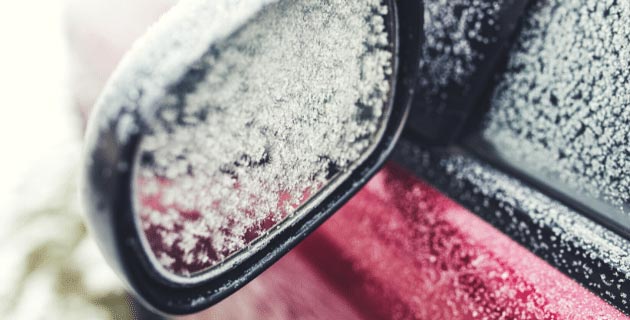
You’ve done it a hundred times – sitting in a cold car, watching your breath while you’re waiting for the engine to warm up. It’s a necessary part of winter driving, right? Experts would disagree.
It used to be that cars needed to be warmed up before you could drive them in cold temperatures. But that’s no longer the case with today’s vehicles. Whether you’re an experienced or a new driver, here’s what you need to know.
Why today’s cars don’t need a lot of warm-up time
A car’s engine works by igniting a mixture of gasoline and air. That used to be the job of the carburetor. But carburetors didn’t work well in cold temperatures because they couldn’t get the right mix with denser cold air. If you didn’t warm them up, you ran the risk of stalling your car. Starting in the 1980s, manufacturers stopped using carburetors in favor of new technology.
Today’s vehicles use electronic fuel injectors that can detect cold weather and release extra gasoline for the right fuel-air mix.
Warming up your car is a waste of time, gas, and money.
It’s a given that you could be using your time more productively than waiting for your car to warm up. As you idle, you’re burning gas, which is essentially wasting money, too. You’re also increasing wear and tear on your car’s engine. Plus, you’re adding pollution to the air. According to a 2009 study, idling your car contributes to 1.6% of all U.S. greenhouse gas emissions. That’s nearly double the entire iron and steel manufacturing industry. States have begun to take notice and issued anti-idling fines beyond 3 minutes.
A one-minute warm-up
With your car’s onboard computer and fuel injection system, it takes just about one minute for your car to warm up. That’s regardless of the outside temperature. That doesn’t mean that the inside of your car will be warm, or that the windows will be defrosted, but it does mean that the oil has traveled from the bottom of your engine to the top.
7 Steps to quickly heat up your car
Follow these steps to quickly heat up your car this winter.
1. Turn on your ignition without starting the engine. After about 5 seconds, you should hear the fuel pump priming the engine. Then start the car.
2. Don’t turn on the heat right away. The air being pumped out from the heater core will still be cold. That air will keep the engine from getting hot quickly.
3. Also make sure you are not running the radio, your seat warmers or defroster initially as these put a strain on the electric system.
4. Idle your vehicle for about 30 seconds (or a minute if your car is older). You can go a little longer if your car is covered in snow or ice. This will allow your vehicle to produce warm air.
5. You do want to give yourself time to warm up that has nothing to do with the engine. It’s all about your visibility and your comfort. You want to be able to see while you are driving and you want to be comfortable enough so you can concentrate on the road. Turn on the defroster to help clear the windows. Wait until you can drive safely; don’t try to drive with a small portion of cleared window.
6. Cars will warm up faster if you are driving than if you are idling. Normal driving for 5-10 minutes should do the trick.
7. Once you’re driving, point the warm air at your chest. That will warm you as quickly as possible. Then point the heat at your feet. As heat rises, the whole car will stay warm.
Tips for the extreme cold
In some places in the U.S., such as the upper Midwest, temperatures can dip well below zero and stay there. Consider these additional steps to help your car weather the cold.
-
- Once regular oil gets below 20 degrees Fahrenheit, it becomes thick. Use synthetic oil which holds its consistency.
- Battery heating pads and thermal wraps can keep your battery warm. A cold battery trying to hold a charge in frigid temperatures can harm your alternator.
- Oil heaters for the dipstick or magnetic heaters for the oil pan can help. There also are coolant heaters for antifreeze.
- Engine block heaters attach to your car and plug into an electric outlet. You can install a permanent heater, too.
Protect your car with auto insurance for peace of mind this winter and all year round.
This article is furnished by California Casualty, providing auto and home insurance to educators, law enforcement officers, firefighters, and nurses. Get a quote at 1.866.704.8614 or www.calcas.com.

by California Casualty | Nurses |
Long shifts, overnights, and demanding workloads are all a part of being a nurse. But no matter if you’re a 10-year veteran or just starting out, it’s never easy to miss the holidays because you have a shift.
Whether it’s a Thanksgiving or Christmas with the family, a romantic New Year’s Eve or Valentine’s dinner with your significant other, or a fun Memorial or Labor Day weekend away with your friends; missing out on celebrations is just another part of working in a career dedicated to service.
But you don’t always have to miss out on the fun. You do have some control over when you work and you can also find creative ways to celebrate! Here’s what you need to know when the next holiday rolls around.
The schedule gets decided early. Make adjustments in advance.
Holidays are often divided up early in the year. Sometimes hospitals or nursing facilities follow seniority when assigning holidays. Other times, they are divided evenly among the staff. You can volunteer to work holidays that aren’t as important to you to get off for others that are. Talk to your co-workers. Put in any requests for switches early on. You’ll have the best chance of a schedule adjustment if you make it weeks or months in advance of that 12-hour shift.
Prepare your family for your holiday work schedule.
You will likely hear loved ones complain that you are missing important family gatherings. Help your family understand how important your job is, and plan an alternative celebration. For example, you may not be able to join the family for Thanksgiving dinner but you could make it for a pre-Thanksgiving Wednesday night gathering or Black Friday shopping. Be part of the celebration any way you can. Ask them to save you some leftovers so you can enjoy that famous green bean casserole after the fact.
Restructure your holiday routine to minimize commitments.
Don’t offer to host the annual family holiday gathering or RSVP to many parties. Know that you have to work during the holidays and your free time is valuable. Scheduling too many commitments can easily cause you to burn out. Practice self-care during the holiday season. Do your best to reduce and relieve stress so that you will be there for your patients, your family, and most importantly, yourself.
Some holidays are busier than others at work. Prepare accordingly.
If you are an emergency nurse working a holiday like the 4th of July, prepare for an active night. Celebrations that include fireworks and sparklers could lead to injury. Also in July, you might experience the July effect, the time when new residents begin treating patients. As a nurse, you will want to support them to ensure there are no mistakes.
Expect senior leadership coverage to be lighter.
Most senior leaders will be at home, celebrating with their families on holidays. But they will be accessible. Make sure that you know how to reach them if there is a need.
It pays to work on holidays.
Many employers offer overtime or double time to work a holiday shift. Some also provide a free holiday meal. Enjoy those holiday perks and save that extra pay for something fun. You deserve it!
Technology can keep you connected.
If there is anything we learned from 2020, it’s how to celebrate holidays virtually. You can check in on your family celebrations while on your break via video chat or by sending photos back and forth.
Remember that you’re not the only one working the holiday.
Up to a quarter of all Americans work at least one holiday in the winter, according to the Daily Nurse. This includes your coworkers as well as restaurant staff, retail workers, police officers, and firefighters.
Your patients are also missing the celebration.
You can spread cheer with some holiday-themed scrubs and a conversation about your patients’ holiday traditions. Encourage families to bring in holiday decorations for their loved one’s room. If you have the time, help patients to video chat with their loved ones. It will make everyone feel great!
Just because you are working over the holidays doesn’t mean you can’t celebrate with your work-family. You have an automatic guestlist for any holiday gathering at work. Plan a pot luck dinner where everyone brings a favorite from their family’s Thanksgiving celebration. Arrange a Secret Santa gift exchange with your co-workers. Toast to a New Year together and share your resolutions. Deck out in red, white, and blue for the 4th of July. Decorate the nurses’ station, etc.
If you start to get down about missing another holiday – remember your “why.” “When a person decides to become a nurse, they make the most important decision of their lives. They choose to dedicate themselves to the care of others.” – Margaret Harvey
This article is furnished by California Casualty, providing auto and home insurance to educators, law enforcement officers, firefighters, and nurses. Get a quote at 1.866.704.8614 or www.calcas.com.
by California Casualty | Auto Insurance Info |
You let them get their license, and you’ve handed over the keys. But are they truly ready?
Sure, you set rules for when they drive, where they go, and who rides with them. You also taught them the dangers of distracted driving. But, have you taught them about the 3,000lb piece of machinery that they are now handling?
Driving responsibility doesn’t stop with passing the driver’s test, turning down the radio, adjusting the mirrors, and using the turn signals. Before they get behind the wheel, young drivers should know basic vehicle care, maintenance, and warning signs.
Wiper blades and washer fluids – if they can’t see where they are going, how will they get there safely? Get your young driver in the habit of checking their wiper blades and washer fluid levels. There are super easy fixes to help correct wiper blade problems. And be sure they also know how to refill washer fluid (where it goes and what product to use).
Lights – it’s important to always have clean headlights and working rear lights, brake lights, turn signals and reverse lights. These are the ways other drivers know what actions to expect from your teen’s vehicle. Show your teen how to check them regularly. Remind them of the importance of properly functioning lights. Teach them how to change them or how they can contact the dealership to have them changed by a technician.
Tire pressure, tread, and rotation – show your teen driver where the PSI rate is listed on the sticker of the driver’s door jam. Teach them how to check their tire pressure. Show them how to fill their tires with air or reach out to the dealership if they need more nitrogen. Be sure to explain that tire pressure can change with cooler and warmer weather, so it’s smarter to check more often. Show them, the quarter test, not the penny test to check tire tread. Explain the importance of tire rotations to help tires wear evenly. Share with them the notion that rotating and balancing tires should be done on a routine schedule that makes the most of their tire investment.
Check fluids and change the oil – have your young driver get in the habit of checking their oil levels, brake fluid, antifreeze, and transmission fluid. Explain what products go where and how to maintain the right levels as needed. Teach them how to change their oil, or how often to schedule an oil change on a regular basis.
A car battery can fail at any time, but there are usually warning signs. If new drivers know how they function and what the signs are for replacement, then they can be more proactive when a new battery is needed. A completely dead battery is a safety issue if they are stranded.
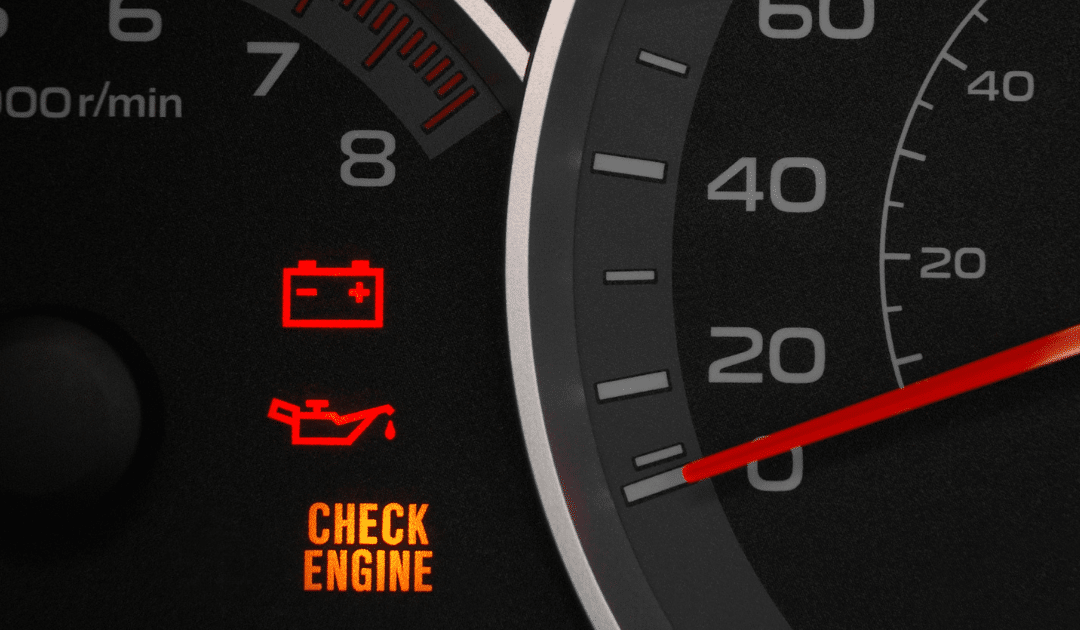
Knowing the dashboard warning lights can make a world of a difference for the safety of your young driver and their passengers. There are 15 common warning lights on your dashboard that hold significant meaning. Have your new driver review them with you!
And in case of a roadside emergency, give your teen a list of contacts to call, do a run-through of how to change a tire, gift them an emergency roadside kit.
It’s a lot to digest, but the responsibility of becoming a driver is worth the time invested in sharing the knowledge above. It’s another layer of protection to keeping your driver safe.
Want more tips for teaching your young driver the rules on and off of the road? Click here for more teen driver safety tips and here for the driving experiences your teen needs.
This article is furnished by California Casualty, providing auto and home insurance to educators, law enforcement officers, firefighters, and nurses. Get a quote at 1.866.704.8614 or www.calcas.com.
by California Casualty | Safety |
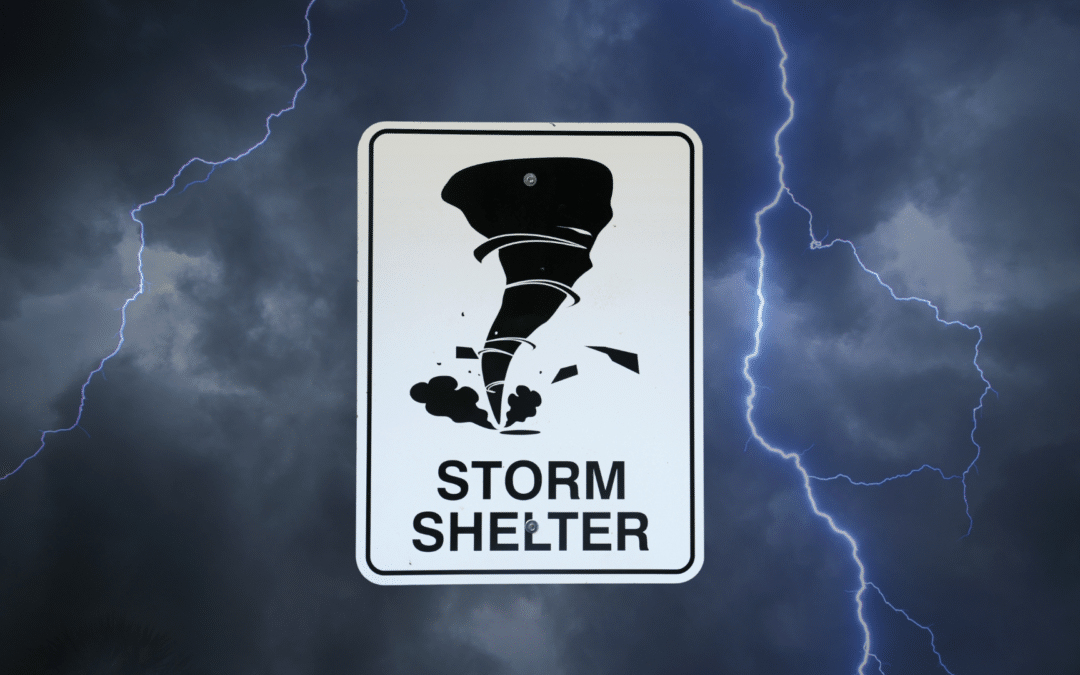
Spring storms – including lightning, hail, flooding, high winds, and even tornadoes – can catch you or family members away from home. Finding safe public shelter during severe weather can be hard enough, but coronavirus has made that (like everything else!) even more difficult.
Follow these tips to stay as safe as possible from the storm and the virus.
First things first: Sheltering during a pandemic
Your number one priority during a severe storm is finding a safe place to shelter; the second priority is protecting against Covid-19. In other words, don’t let a fear of the virus preclude you or family members from seeking life-saving shelter. That said, shelters that are open will most likely post notices that those who seek shelter to do so at their own risk. If they’re able, they may provide hand sanitizer, hand-washing stations, and perhaps even face masks. They’ll also be strict about occupancy limits.
Know where to go
Depending on the size and population of your area, there may or may not be designated public storm shelters in your community. Check with your local emergency manager or fire department, the American Red Cross, FEMA, or other emergency weather preparedness body well ahead of the storms for shelter locations. From there, check to see which shelters are open and operating during the pandemic – you may find that some have decided to close until the virus is under control.
Where to go
When a storm does hit, even designated shelters that are open during the pandemic may close their doors due to overcapacity (public shelters aren’t designed for thousands of people). If you end up needing to find shelter on the fly, remember these tips.
-
- If seeking shelter in public buildings, seek out substantial ones. Reinforced concrete buildings are usually stormproof.
- Small rooms, such as restrooms, storerooms, windowless closets, or other small sturdy rooms, are better than large ones.
- Auditoriums and gymnasiums are not generally safe.
- Avoid high walls that could collapse.
- Get underground or under a table. Cover your head.
- If basements are not available, go to a first-floor room.
- Stay away from windows, glass, and large rooms.
- Do not shelter in a mobile home or vehicle.
Protecting against COVID
If you are able to get into a shelter (or end up sheltering with others at a non-designated location), follow the same COVID precautions that are habit by now: social distancing as much as possible, always wear a mask, and use hand sanitizer and/or wash hands frequently. Cover your sneezes and coughs and avoid touching high-touch surfaces. Try not to share food or drink with anyone, if possible. If you made it into a shelter, they will have policies and rules for protecting public health as much as possible – follow all instructions from the shelter staff.
Plan ahead
With all these various factors to deal with, you can give yourself and your family an edge by preparing in advance. Your two best weapons will be: Having a personal/family plan and staying informed. So, before the storms come:
- Make a plan. Ensure that you and your family have a plan for severe weather events. For example, if your kids are at baseball practice or you’re at work or running errands, make sure everyone knows where to go if severe weather hits. Know the local shelters that are open during the pandemic, add them to your family’s emergency plan, and make sure all family members know and can act upon the plan.
- Tune in and stay aware. All family members need to stay informed by trusted sources. Set up redundant sources of information so that you don’t miss any alerts. These might include:
-
- Phone apps and emergency/weather websites
- Programmable all-hazard radios
- Local news stations and media
- Carry supplies in your car at all times. This is a great time to double-check your vehicle’s emergency kit (and for that matter, your grab-and-go emergency kit). Replace batteries, food, water, or any other items that may be expired. If you haven’t already, add coronavirus supplies as well – masks, hand sanitizer, and soap.
It can’t get much worse than a severe storm during a pandemic, but knowing what to do and how to protect yourself and your family can give you an added layer of security and confidence.
This article is furnished by California Casualty, providing auto and home insurance to educators, law enforcement officers, firefighters, and nurses. Get a quote at 1.866.704.8614 or www.calcas.com.
by California Casualty | Auto Insurance Info, Safety, Travel |
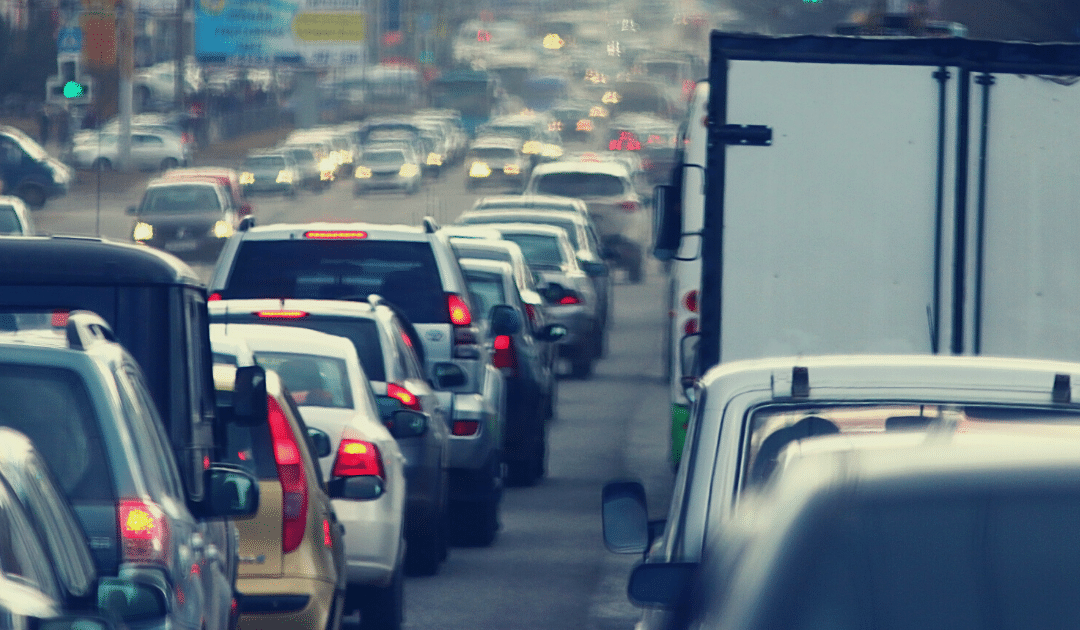
The holidays are HERE, and unfortunately so is the holiday traffic. As millions hit the road to travel near and far this holiday season roadways will quickly become overly congested, traffic delays more frequent, and holiday road rage will start to set in for many drivers.
If you are like the thousands of Americans hitting the road this season, follow our holiday traffic safety tips below.
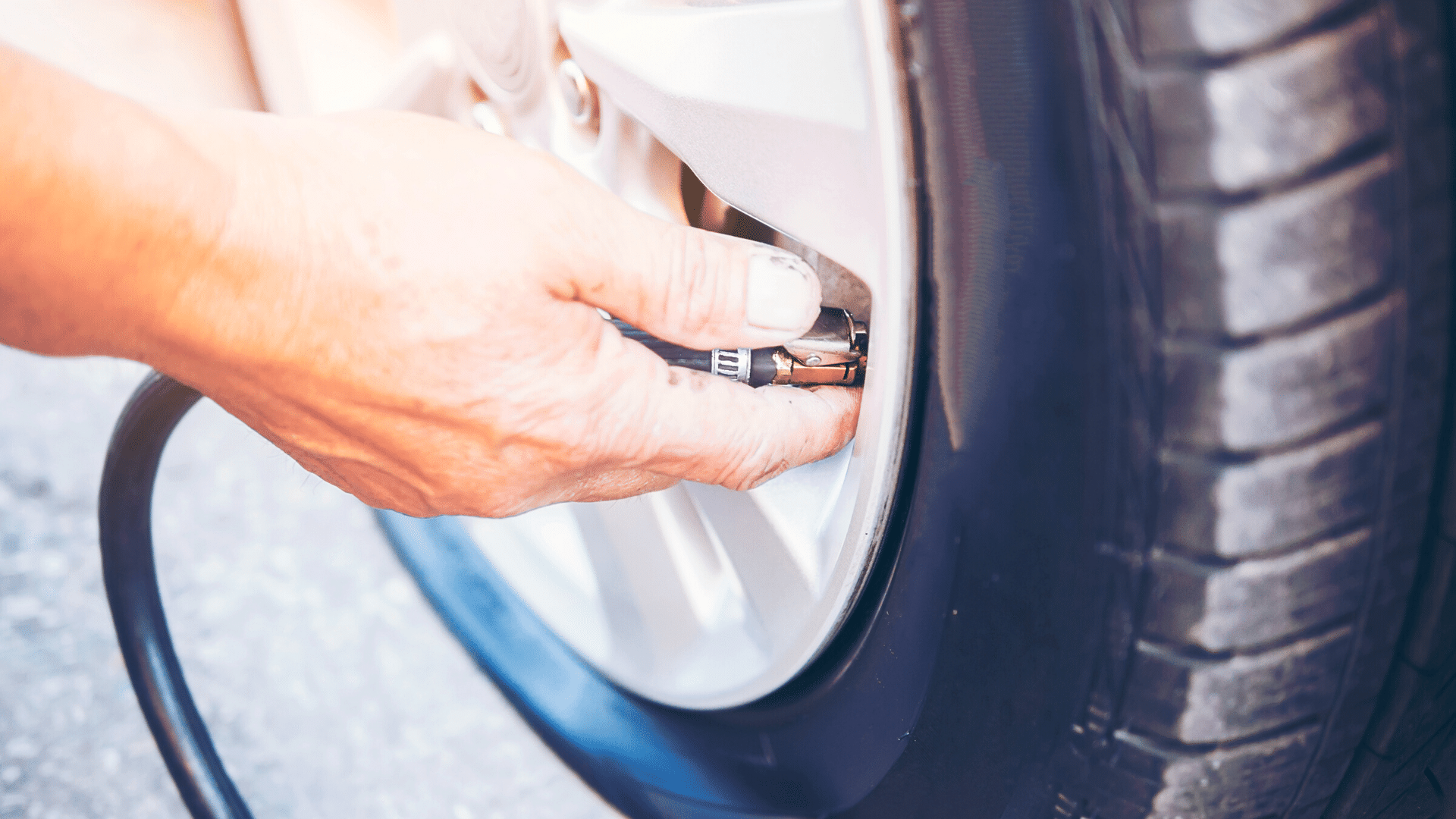
1.Plan Head
Before you hit the road make sure your vehicle is properly maintained and ready for the trip. Plan out your route ahead of time, and if it’s possible, avoid driving through areas you know will be jammed with holiday traffic. Before you head out it’s also a good idea to check the forecast and plan ahead for inclement weather. Don’t forget to pack your emergency car kit!
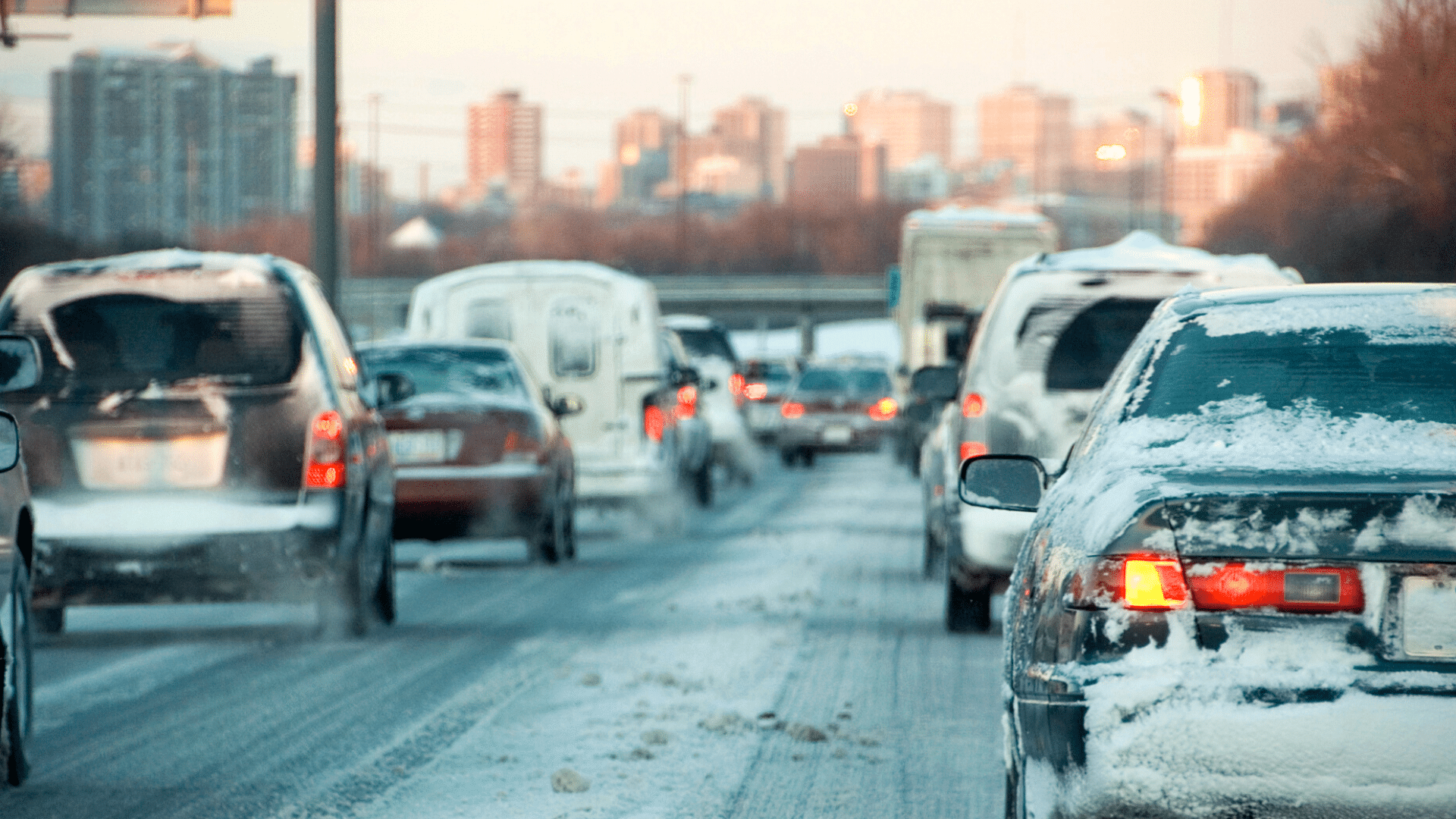
The more traffic, the higher the chance for an accident. It’s important not only to drive safely, but also to keep an eye on other drivers. In holiday traffic jams always expect the unexpected, watch for drivers cutting you off, slamming on their breaks, speeding up and slowing down, etc. Be prepared for anything, and always stay attentive behind the wheel.
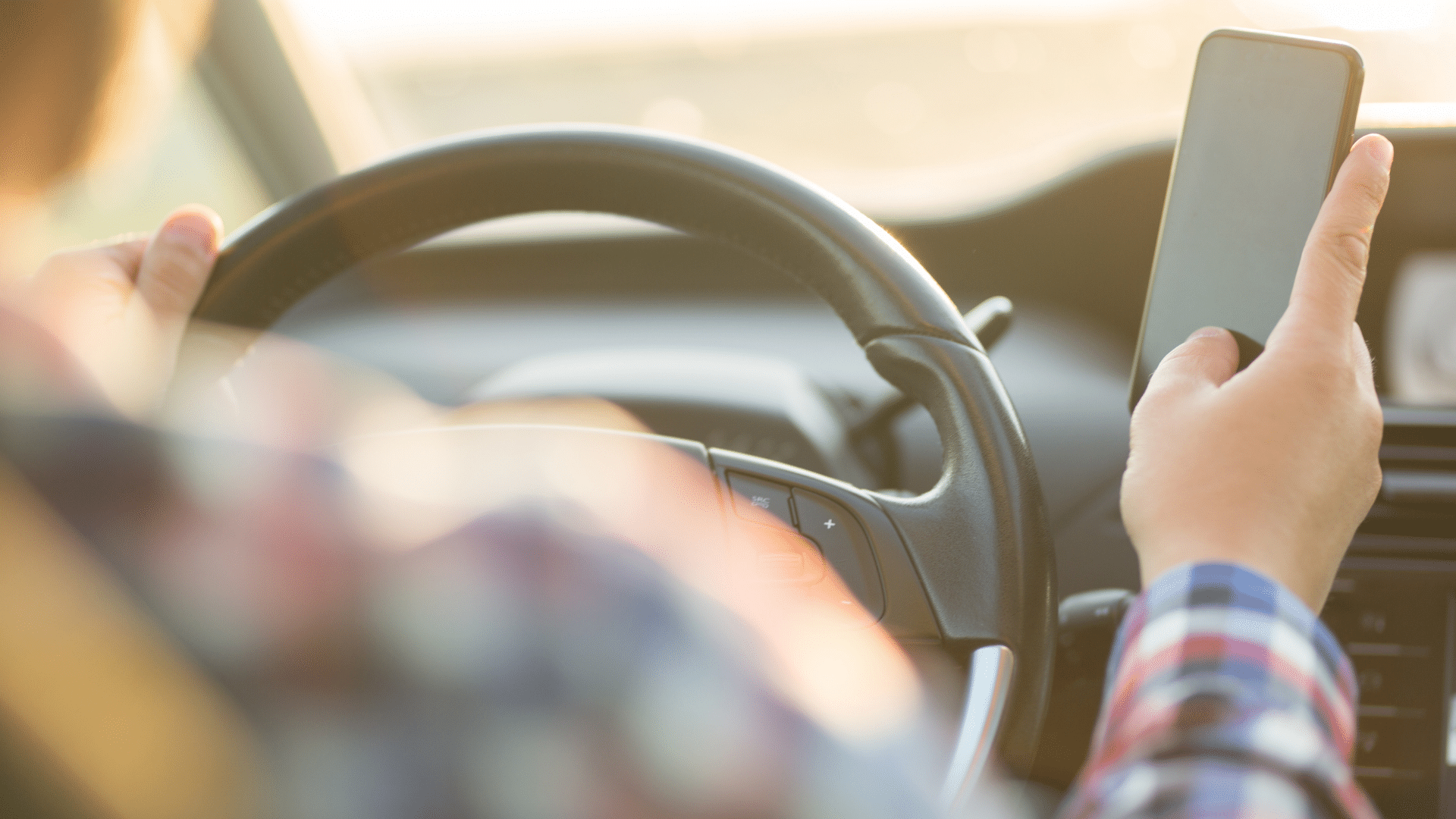
3. Avoid Distractions
Distracted driving causes thousands of fatal traffic accidents every single year. Add in holiday traffic and distracted driving becomes even more dangerous and deadly. We know it can be hard to avoid common distractions like your phone, especially when you are driving long distances by yourself, but it’s important for your safety that you keep your eyes on the road and your hands on the wheel at all times.

4. Keep Your Cool
If someone makes a decision that makes you angry when you are driving, try not to let it affect you. This may be hard, but getting angry doesn’t solve anything. Road rage is a form of distracted driving because you cannot think clearly. If you start to feel yourself becoming angry or anxious try listening to music, taking deep breaths, and remember there is nothing you can do about other driver’s decisions or to make traffic move quicker- so stay calm.
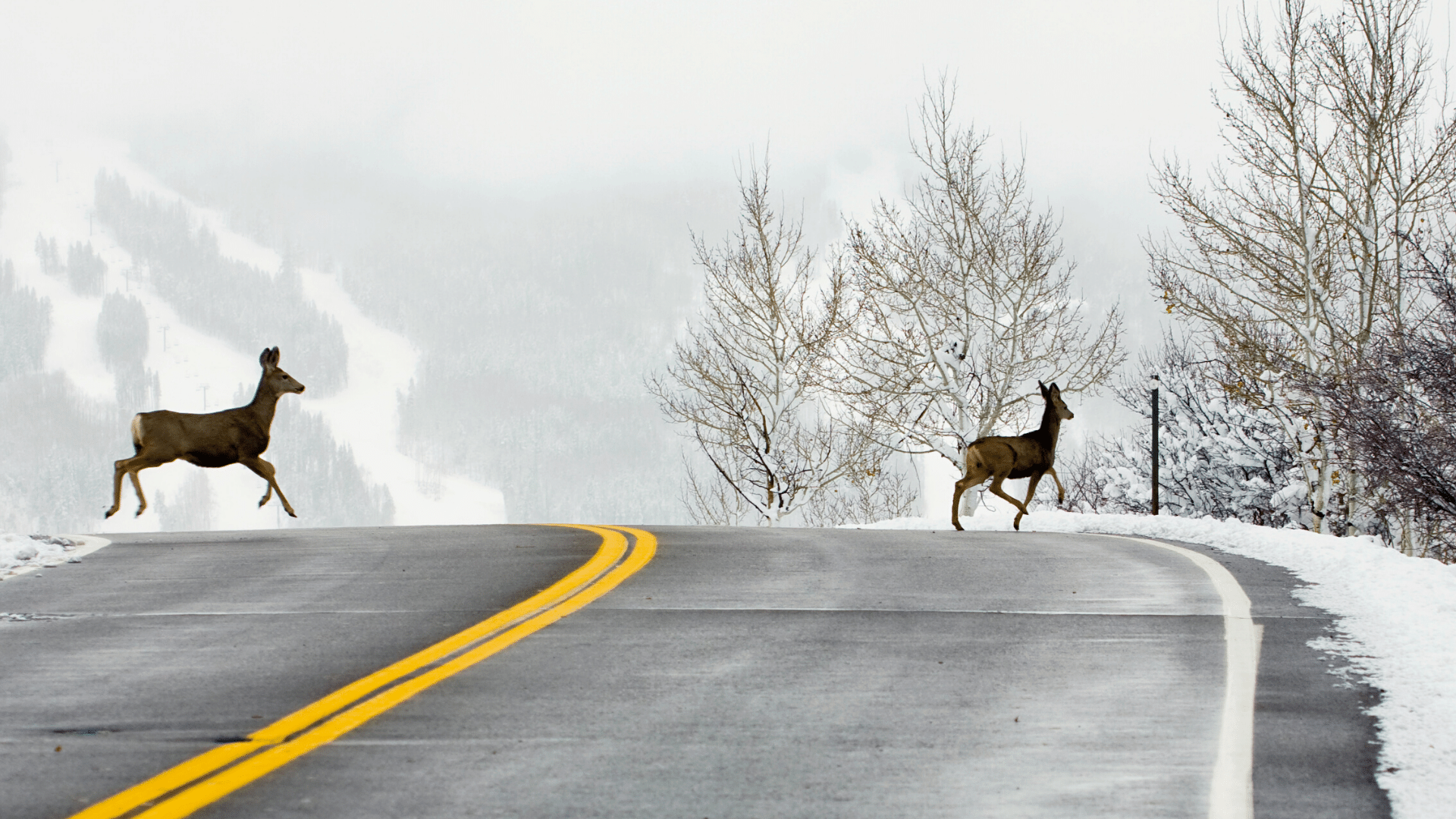
5. Watch for Animals
Deer move with cold fronts. This means as the temperature continues to drop and as we get closer to the end of the year, the likelihood of seeing or hitting a deer increases. Hitting a deer, or any other animal, can total your vehicle, hinder your plans, and even cause serious injury (or death). Stay alert and watch for animals, especially if you choose to travel in rural areas at night.
If you plan on making multiple stops or staying at any hotels during your trip, be sure to follow our Traveling Safely During the Pandemic guide.
Safe travels and Happy Holidays! 🙂
This article is furnished by California Casualty. We specialize in providing auto and home insurance to educators, law enforcement officers, firefighters, and nurses. Get a quote at 1.866.704.8614 or www.calcas.com.