by California Casualty | Homeowners Insurance Info |
Winter is here and while some renters may not be responsible for every task- like snow or ice removal- this season, there are still important steps you need to take as a tenant to make sure your home or apartment is ready for the cold months ahead.
Follow our renter’s winter maintenance checklist below.
1. Know your responsibilities. Before the cool weather hits, schedule a meeting with your landlord or property manager to see what your responsibilities will be for the winter and what will be taken care of by the property owner. In an apartment, some winter responsibilities, like laying down salt, plowing driveways, heating and cooling tune-ups, etc. are taken care of by the complex. But if you are renting a home, you will need to check for clarification– with your landlord or take a look at your lease agreement- on whose responsibility it will be to make sure your home gets properly winterized.
2. Test out the heat. It’s better to know early on if there are any problems, so run the heat for a bit even if it’s not yet cold enough. Be on the lookout for odd smells when the heat is on. Take note of any issues, such as inconsistent heat throughout your apartment or house. You can ask your landlord about scheduling regular inspections of your HVAC system, chimney or fireplace. Regular maintenance of your appliances helps keep everything in good working order. Remember to check the batteries in your digital thermostat if it has them. Also test your smoke alarms and carbon monoxide detectors. You may need to replace batteries on your own, but you could always ask your landlord for a reimbursement on your purchase.
Pro Tip: Turn your ceiling fans on low in reverse (clockwise when looking up) to circulate warm air and help save on heating costs.
3. Clean inside and out. Just as you might do spring cleaning, it’s time to clean for winter. Vacuum the vents and change out the filters in your HVAC system to improve air quality. Remove dust and dirt from fans, radiators, heat registers. Sweep under appliances. Clean the drains in your sinks, bathtubs, showers, and dishwashers. While you’re at it, check for any signs of dripping that could signal a problem, and alert your landlord immediately. Clean your garbage disposal. If you’re renting a home, clear any debris in your yard. Remove wet leaves from gutters – or alert your landlord. If they remain, water can back up, causing leaks and ice dams and ultimately damaging your home’s roof and siding.
4. Check for drafts. As a renter, you’re responsible for paying utilities. Make sure you’re not losing heat this winter to cracks or openings near windows or doors. Weatherstripping is the most likely to be landlord-approved, but you also could caulk to fill in these areas if allowed. Speak to your landlord about what is approved and what has been done in the past. And don’t forget to cover or remove your window air conditioners to prevent additional drafts.
5. Protect your water lines. If you’re in a house, disconnect and drain garden hoses, turn off the sprinkler system, and cover outside faucets with insulating foam covers (your landlord may have these from previous winters, so check with them before purchasing any). If the temperature drops below 20 degrees, keep one or more faucets running slowly to keep the line from freezing. Open up cabinet doors where pipes are located to allow warm air to circulate and warm the pipes. Always know where your water main is located in case you have to shut it off. Call your landlord if you suspect a pipe has frozen or broken. He/she may direct you to point a space heater at the frozen pipe or call a repairman to take a look.
Pro Tip: If you go on vacation this winter- even if it’s just for a few days, don’t turn the heat completely off. Leave it at least 55 degrees to prevent any problems with frozen pipes.
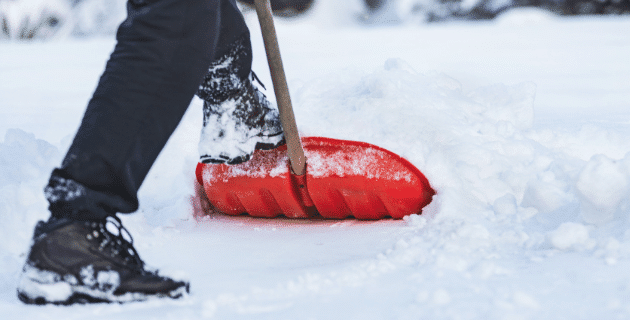
6. Prepare for snow and ice removal. Generally, apartment complexes and landlords are responsible for snow and ice removal in public areas, but you may need to clear these potential hazards on your own if you are renting a home. Know the state laws for snow removal and your landlord’s policies. Consider buying a snow shovel and some salt/ice melt if you don’t have it. Some communities prohibit the use of salt so you can use synthetic ice melt or cat litter. Talk to your landlord immediately if your notice any damage from snow or ice.
7. Have an emergency plan. Extremely low temperatures are dangerous and can even be life-threatening, especially coupled with snow and ice. Sign up for severe weather alerts with your town or county and have a disaster plan in place, along with an emergency kit fully stocked with food and water. Notify your landlord of any issues as soon as possible before they spiral out of control. And know the emergency contact number to call or text if the heat or power goes out.
8. Protect your home. Starting at around $10 a month, renter’s insurance is an affordable option and a necessity for renters. Your landlord’s coverage will not cover your personal items. Being well prepared is your best defense against unwanted surprises this winter. And at such a low cost, this coverage will pay for itself.
Pro Tip: Bundle your renter’s policy with a California Casualty auto policy and you may qualify for discounts on your premiums! Speak to an agent today to see how much you can save.
This article is furnished by California Casualty, providing auto and home insurance to educators, law enforcement officers, firefighters, and nurses. Get a quote at 1.866.704.8614 or www.calcas.com.
by California Casualty | Auto Insurance Info, Homeowners Insurance Info, Safety |
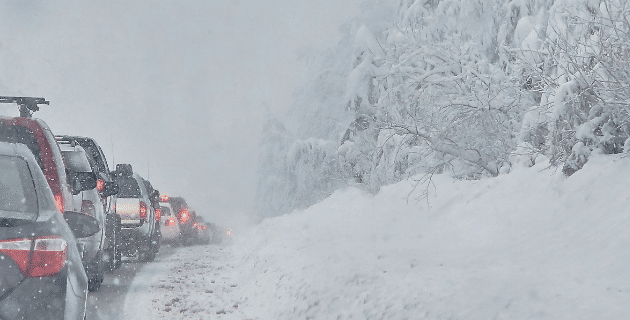
When the temperatures dip low, wind speeds hit high, and precipitation is in the forecast, you could be in the path of a winter storm. These powerful acts of nature have the potential to cut off power and trap you and your family in your home for days, and that’s not all… Winter storms have also been associated with hypothermia, frostbite, carbon monoxide poisoning, and even heart attacks.
Being well prepared is your best defense. Follow this guide so you can weather winter storms safely.
Know what to expect when
The National Weather Service issues severe weather alerts for winter storms. While the exact amounts of snow vary based on where you live, here are some general definitions.
-
- Winter storm watch – Conditions are right for hazardous winter weather within 48 hours. It doesn’t mean it will occur, but a winter storm is possible.
- Winter storm advisory – Usually issued within 36 hours of an expected storm, an advisory lets you know to anticipate snow, sleet and/or freezing rain.
- Winter storm warning – Expect snow, sleet, ice, freezing rain and/or hazardous winter conditions within the next 12-24 hours.
Get ready
Your primary concerns during a severe winter storm are the loss of heat, power, and communications, having enough food and supplies, and protecting your home from possible storm damage. Stock up on supplies, take protective measures for your home and create a disaster plan to share with everyone in the family. That may include planning for evacuation if needed.
Stock up and charge up- Building your emergency kit.
-
- Stock up on food that requires no cooking or refrigeration. Make sure you have a manual can opener if you’re planning to open cans.
- Include baby food and diapers if needed.
- Buy cases of bottled water to use in case the pipes freeze. You can use this for brushing teeth, flushing toilets, and bathing. Make sure you have at least 3 gallons of water per person. You can also fill the bathtub with water as an extra source.
- Make sure you have enough prescription medications, and any toiletries needed.
- If you have pets, stock up on food for them.
- Gather your flashlights and extra batteries. Collect candles and matches.
- Pull out the battery-powered radio for weather updates. You can also use it to play music to pass the time.
- Make sure you have lots of blankets and warm clothes for each member of the household.
- Charge all of your devices ahead of the storm. Charge any portable battery backups. Determine how you will charge your phone during a power outage.
Protect your home
-
- Make sure your home’s furnace is in good working order.
- Check for drafts and use these winter window hacks to keep your home warm and toasty.
- Know how to turn off your utilities, such as gas lines or water, in an emergency.
- Consider buying emergency heating equipment such as a wood or coal-burning stove or electric or kerosene heater. Review all safety precautions, and be careful of fire hazards when storing fuel.
- Consider installing a portable generator. Review generator safety and never run a generator in an enclosed space.
- Make sure your smoke detector and carbon monoxide detectors are working. If you’ll be using your fireplace or wood stove for heat, they should be near that area. Have a fire extinguisher nearby just in case, or try this way to put out fires without an extinguisher.
- Test your snow blower and have it serviced if necessary.
- Take a walk around your house and identify any trees that could fall. If there’s time, trim them back.
Be prepared to leave if needed
-
- Service your vehicle and make sure you’re prepared for winter. Have a mechanic check your antifreeze, windshield-washer fluid, defroster, wipers, battery, brakes, and tires.
- Keep your car’s gas tank full for emergency use.
- Stock your car with these must-carry items.
- Research local shelters and warming stations in your area in case you need to evacuate your home.
- Prepack a bag for each member of the family, including pets.
Once the Storm Arrives
During the storm…
-
- Limit your time outside. Hypothermia and frostbite are real dangers.
- Do not attempt to travel during treacherous conditions. You could find yourself in an accident or stranded on the road.
- Stay tuned to emergency weather alerts.
- Check on neighbors if they’re older or have young children who are more at risk in extreme cold.
After the storm…
-
- Avoid driving until conditions have improved. Follow winter driving safety guidelines.
- Keep a supply of kitty litter and/or ice melt to clear sidewalks.
- Be careful to not overexert yourself. It’s common for heart attacks to be brought on by overexertion from shoveling or clearing snow.
- Assess any damage to your home or property and alert your insurance company. You have home insurance for a reason. Put it to work if you need it.
This article is furnished by California Casualty, providing auto and home insurance to educators, law enforcement officers, firefighters, and nurses. Get a quote at 1.866.704.8614 or www.calcas.com.
by California Casualty | Auto Insurance Info |
Winter driving presents its share of challenges, from icy road conditions to car batteries that strain due to the cold. If you live in a region where the temperatures dip down low, you could be sitting in a freezing car for hours if it breaks down.
Thankfully, some forethought and preparation can help. Make sure you’re fully prepared for whatever winter throws at you and stock up on these must-carry items for your emergency winter car kit this season.
#1: Ice scrapers, snow brushes, and a foldable shovel
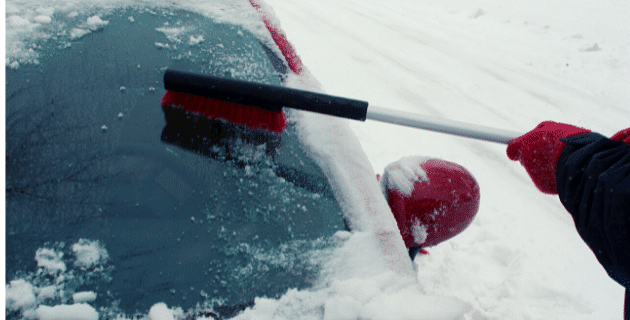
It’s important to clear your whole car before you drive. Snow and ice can slide from your vehicle’s roof and obstruct your view while driving. It also could fly off and hit another car. Choose scrapers and brushes with long handles that allow you to reach the top of your vehicle. Stock several and the kids can help, too! Get a portable snow shovel too, one that folds so it takes up less space. Then use it to dig your car out as needed.
Tip: You can also use the shovel to add fresh snow or dirt around your tires to help them grip.
#2: A bag of sand or kitty litter
Your car may get stuck in the snow or be unable to move past an icy spot. Pour some sand or kitty litter over your tires and/or on the ground for extra grit to help with traction.
Tip: You can put your car’s floor mats down in front of your tires to get your car out of slippery situations. Watch the video from Firestone.
#3: Hazard triangles and LED flares
When you break down on the side of the road, you want to be seen—by other vehicles and by emergency personnel who can assist you. That’s the purpose of the hazard triangles and LED emergency flares. These are especially important when there is reduced visibility such as at night or during snowstorms.
Place the reflective hazard triangles behind your vehicle starting at 10 feet and going as far as 100 feet. Road flares have traditionally been used to mark sites for emergency responders. Rather than the traditional flares that light like a match and ignite, choose the modern version—a LED safety flare. They are designed to be waterproof, shatterproof, and crushproof and some are even magnetic and can stick right to your car.
Tip: To reduce the drain on your battery, use your car’s emergency flashers only if you hear vehicles approaching.
#4: A flashlight (and some extra batteries)
A flashlight can help you find things in the dark. It also can be used to signal passing cars. Choose an LED flashlight that offers plenty of light. If you can, pack several flashlights so that everyone in the family has one. Store batteries backward in the flashlight to prevent the light from accidentally switching on and burning out. Keep a spare set of batteries on hand just in case.
Tip: Pack some glow stick necklaces for the kids. They’re also great fun and an easy way to find everyone in the dark.
#5: Jumper cables and a battery charger
Low temperatures put an additional strain on your car’s battery. In fact, the freezing cold can turn a weak battery into a dead one overnight. If your car breaks down due to a dead battery, jumper cables can help. These cables allow you to charge your car’s battery from another car’s. You also may want to invest in a portable battery jump starter. These devices jump your battery without another car. They also can power your other devices such as cell phones or tablets.
Tip: Find out much battery life you have left with a free battery test at Firestone.
#6: A cell phone charger and portable power bank
Your cell phone is your connection to the world—and to help. Keep it as charged as possible by having a charger in your car. However, if your car doesn’t start, the car charger won’t do much good. Be sure to pack a portable battery or power bank.
Tip: If you’re stuck and your cell phone is losing power, change your outgoing message to your current location, time and date, and any other important details. That way, if your cell phone stops working, callers will get that message.
#7: Blankets and cold weather clothes
Keep a few blankets or sleeping bags in your trunk. If you want to save on room, choose pocket-size heat-reflective blankets. Then, stock some warm clothes for every member of the family: old sweatshirts, thick pants, warm socks, boots, mittens, and warm hats. Add some hand or feet warmers, which could provide much-needed warmth in an emergency.
Tip: Don’t run your car’s engine unless you are sure the exhaust pipe is free of snow. Snow can plug your vehicle’s exhaust system and cause deadly carbon monoxide gas to enter your vehicle.
#8: Snacks and water
If you’re spending any significant time in your car, you’ll want food and water. Keep water bottles and non-perishable snacks in your car through the winter. Consider these ideas: prepackaged trail mix or nuts/seeds, dried fruit, granola bars, chocolate, dry cereal, crackers, cookies, peanut butter (or other nut butters), rice cakes, pretzels. Choose kid-friendly snacks in case the kids are with you; you’ll enjoy them even if they’re not there.
Tip: For a more substantial snack, pack canned food that can be eaten cold and a can opener. Don’t forget the plastic utensils.
#9: Entertainment
Keep the kids busy with some games and activities. This will help keep them from feeling stressed and it will help pass the time. Pack a travel game bag. Include decks of cards, puzzles, coloring books and crayons or paper for older kids, and travel games. Sing songs, tell jokes, and keep the time as light-hearted as possible.
Tip: Make it a game. Take a poll on how long it will take to get home or what the tow truck driver will look like.
#10: First Aid Kit
A first aid kit is especially needed in winter because emergency response times may be longer due to icy or snowy conditions. You can buy one or make your own. Include bandages, gauze, adhesive tape, antibiotic ointment, scissors, saline solution for eye washing or cleaning wounds, aloe vera to treat minor burns, an antihistamine for allergic reactions, and anything else your family may need.
Tip: Add baby wipes, which will help if you or the kids have to go to the bathroom outdoors in nature. A garbage bag can also be a makeshift toilet if need be.
You can save some steps and buy emergency roadside safety kits that combine many of the items on this list.
Finally, should you have a winter-related accident or incident, know that your collision and comprehensive insurance will help protect you.
Safe travels.
This article is furnished by California Casualty, providing auto and home insurance to educators, law enforcement officers, firefighters, and nurses. Get a quote at 1.866.704.8614 or www.calcas.com.
by California Casualty | Auto Insurance Info |
Winter is hard on our cars. Between ice and snow, road salt and dirt, our vehicles often get covered in grime.
But the dirty car you see is just the beginning. Salt, sand, dirt, ice, and rotting leaves can lead to rust which eats away at the exposed metal and causes mechanical issues as well as hurts your car’s resale value.
Keeping your car washed and clean during the cooler months is the best way to protect it from damage. And it will also help keep it from aging. Here’s some more information on why you should keep your vehicle washed this winter.
Winterize your car—before winter.
Before the temperatures dip down, take some time to prepare your car for the winter weather.
-
- Give your car a thorough wash and rinse, paying special attention to areas where salt, sand, and ice can collect such as on the undercarriage and in little crevices.
- Apply a coating of wax, which can help protect against road salt and other debris.
- If you wish, you also can get glass coatings, plastic trim coatings, and paint coatings at your local automotive supply store.
- Switch out cloth floormats for all-weather rubber ones. They will be easier to clean during the winter months.
Make sure you do it on a warm day, 50 degrees or above, or indoors. Cold temperatures make it hard for wax or polish to dry and cure properly.
Wash your car every few weeks.
Your car doesn’t have to be visibly dirty to give it a wash. You should schedule one every couple of weeks throughout the winter.
If washing a car at a car wash…
-
- Choose touchless car washes rather than the ones with the big twirling brushes. They will be gentler to your car’s paint.
- Pay the extra to have your undercarriage sprayed. This is where salt and dirt tend to adhere.
- Make sure your car is dry when you leave. Road salt and dirt stick to wet cars.
If washing a car at home…
-
- Drive your car around the block a few times and crank up the heat to warm it up first.
- Wear waterproof gloves, clothes, and boots.
- Remove snow, ice, and other debris from the car.
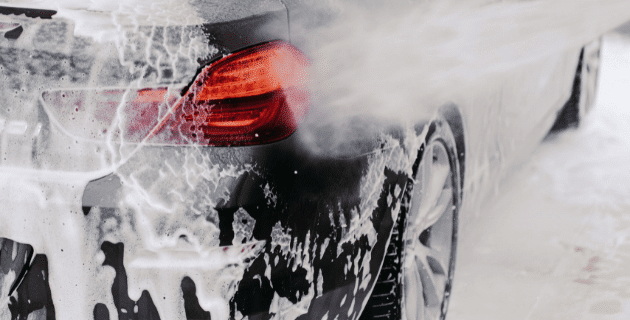
- Use warm water to help wash away the initial coat of road grime.
- Use a car wash detergent. (Avoid dish soap which can be hard on your car’s paint.)
- Pay attention to the wheels and undercarriage. These areas are most affected by winter driving.
- If you like, instead of the traditional wash, you could try a “rinse-less” or waterless wash. You may purchase these washes at your local auto supply store. Make sure to have lots of microfiber towels if you choose this option; you will need them.
- When you are finished with the wash and rinse, run the wipers for 10 seconds. This clears away excess water that can freeze later on.
- Open your car doors and dry the rubber weather seals to help prevent them from freezing shut. Do the same around your windows and your fuel door.
Importantly, though, if the temperatures dip below 30 degrees, skip the wash. You will end up with frozen locks and door handles.
Look out for rust.
Rust forms when iron-based metals such as steel are exposed to oxygen. The rust is actually the breakdown of the metal. It’s common for rust to first appear during the winter months. Luckily, you can stop rust in its tracks. It’s important to take care of rust, because it’s considered normal wear and tear, and isn’t usually covered on your car insurance policy.
-
- Check your car for rust each time you wash it. Lower door corners are popular places for rust to appear, as are wheel wells in front and behind tires.
- Identify the kind of rust. See this article in Popular Mechanics on how to fix each kind.
- Surface rust includes scratches and cracks in the paint.
- Scale rust shows up as bubbles in the paint.
- Penetrating rust appears as flakes of metal and holes.
This article is furnished by California Casualty, providing auto and home insurance to educators, law enforcement officers, firefighters, and nurses. Get a quote at 1.866.704.8614 or www.calcas.com.
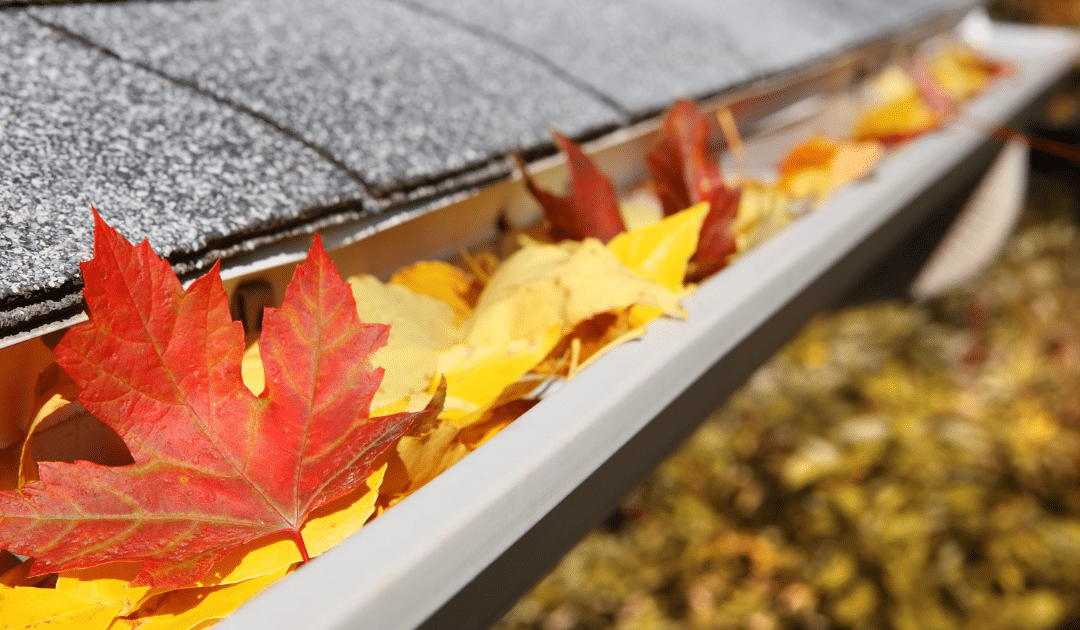
by California Casualty | Consider This, Homeowners Insurance Info |
We don’t think much about our heat, electrical, or plumbing until they stop working…
Like a regular health checkup, a home system checkup includes routine maintenance that can help prevent costly repairs and future emergencies.
Homeowners, follow our checklist to keep your home systems running smoothly all season long.
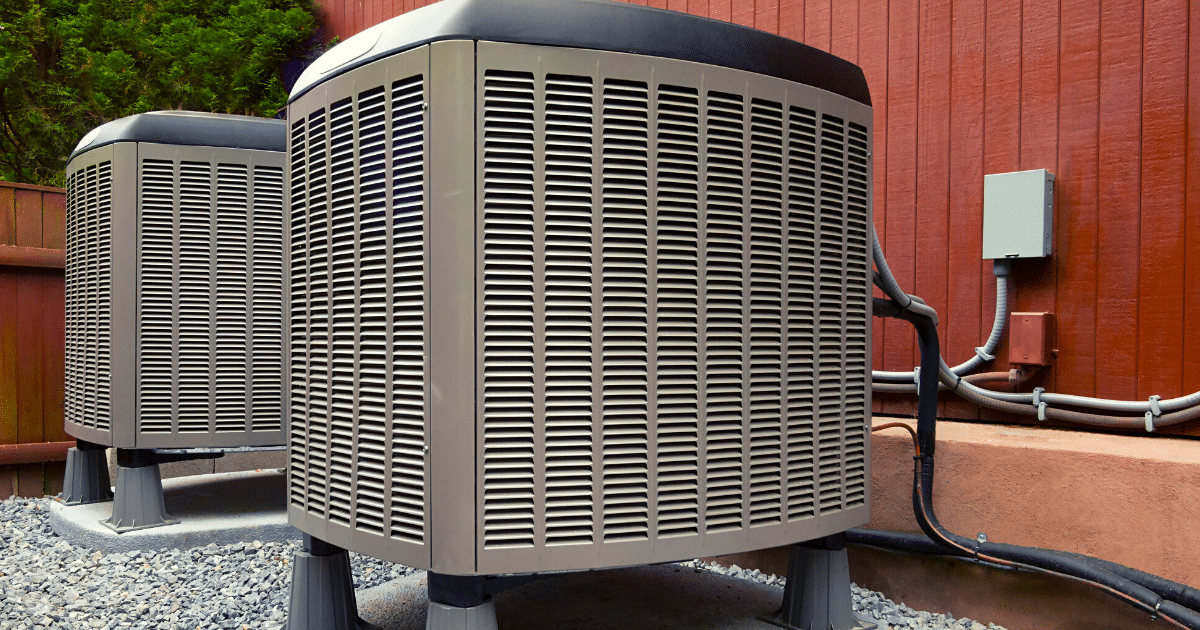
HVAC (Heating, Ventilation and Air Conditioning) System
The HVAC system is responsible for heating and cooling your home. Regular maintenance can help lower your utility bills, increase your system’s lifespan, and ensure you are breathing healthy air.
-
- Check the air filter. If it’s dirty, it will make your furnace work harder. Clean or replace the filter every three months.
- Clean the air vents. You can vacuum the vents to help prevent blockages. If you suspect there’s a buildup of dirt and grime, consider scheduling an air duct cleaning.
- Vacuum lint from the clothes dryer vent that leads to the outside of your house.
- Adjust your programable thermostat for heat rather than air conditioning. If your thermostat takes batteries, replace them at this time.
- Cover the outdoor air conditioning unit once you no longer are using it for the season. That will protect it from the weather, dirt, and debris.
- Rotate your ceiling fans’ blades clockwise in cool months and counterclockwise in warm months to keep heat moving in a direction that minimizes the effort of your HVAC system.
- If you haven’t done so this year, schedule an annual professional checkup to make sure your HVAC system is in good working order.
- Even the best furnaces don’t last forever. You may need to replace your furnace after 10-25 years.
Plumbing System
A plumbing system delivers fresh water to your sinks, bathtubs, toilets, and other fixtures. It also takes away water and waste to a sewer or septic tank. Regular maintenance will help prevent issues such as leaks, clogs, and frozen pipes, which can be disruptive and costly.
-
- Clean drains in your sinks and tubs by pouring half a cup of baking soda followed by half a cup of white vinegar.
- Remove mineral deposits from your showerheads by filling a plastic bag with vinegar. Secure it with a rubber band over the showerhead and leave it overnight. In the morning, you should be able to wipe any buildup away.
- Clean your garbage disposal to prevent it from hosting harmful bacteria or growing mold. This Old House suggests this approach: Pour a half cup of baking soda in the disposal. Wait 30 minutes, then pour in one cup of white vinegar. Let the mixture foam for 3 minutes, then rinse with hot water. Finally, grind up two cups of ice and a cup of salt while running cold water. You also can grind lemon peels at the end for a fresh scent.
- Flush your water heater to remove any mineral buildup. You can find instructions online or call a professional.
- Check your faucets inside and outside to make sure they are not dripping or leaking.
- Check under the sink for any leaks or stains, which could signal water damage or mold.
- Check any exposed pipes in your home for leaks and seal them. Insulate pipes in places that aren’t heated.
- Disconnect outside water hoses to prevent them from freezing. Turn off underground sprinkler systems.
- Clear debris from your
- Call a plumber if there are issues.
Electrical System
An electrical system powers your lights, appliances, and more. Working around electricity requires knowledge and skill to take the proper safety precautions. If you’re unsure of how to do something, consult a trained professional.
-
- Inspect your breaker panel. Check for signs of corrosion. Flip the breakers on and off to make sure they move easily and do not stick. (Make sure first to alert members of your household that you are switching off electricity so they can prepare accordingly.)
- Test your outlets. You can buy a cube or block tester at any hardware store. You simply plug it in, and it lights up to indicate common issues. Also, test each outlet for tightness. Outlets may wear out over time. Finally, consider installing tamper-resistant outlets in any areas where children may be able to reach.
- Place your hand on outlets and light switches to check for excessive heat. Also be aware of any “hot wire” smell when a light is on or an appliance is plugged in, or popping and cracking sounds. These indicate that you may need to replace that outlet or switch.
- Look at exposed wires and cables in your basement and other areas of your home. If you notice damage, replace them.
- Make sure exterior outlets are covered so that they are not damaged by the weather and animals.

Security System
Your home security system protects you from threats. No matter what system you have, a semi-annual check can keep it in top working order.
-
- Inspect your sensors. Make sure they are firmly attached to windows or doors. Try to set off a motion sensor to ensure it is working properly.
- Replace batteries if your system uses them.
- Check lighting and replace bulbs as needed.
- Make any adjustments needed to the camera angles. This is a good time to clean the lens.
- Trim bushes that have overgrown and might provide cover for a thief.
- Tighten loose screws in gates, door hinges, knobs, and locks.
- Check your warranty or contract to see if you qualify for an upgrade.
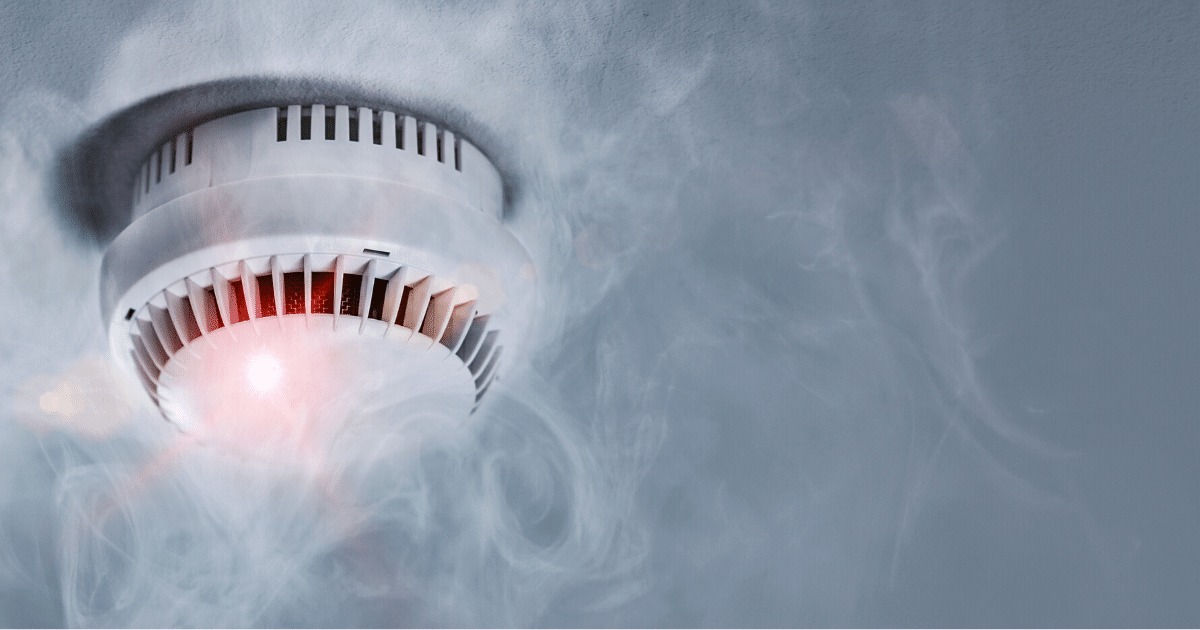
Home fires spike in the fall and winter. Being prepared is key and could save your life if you are the victim of an unexpected house fire.
-
- If you have not done so already, purchase smoke alarms that also function as carbon monoxide detectors. Carbon Monoxide is a poisonous, odorless gas that claims over 400 lives each year.
- Install detectors on every level of your home, including inside of bedrooms and in common rooms.
- Test and change batteries in older detectors or alarms.
- Replace them after 10 years.
- Have a disaster plan in case of a home fire and keep all other fire safety materials, like fire extinguishers, in well-working condition.
Take the proper precautions to avoid winter home hazards and keep your home in good working order this season.
For more fall maintenance tips click here.
This article is furnished by California Casualty, providing auto and home insurance to educators, law enforcement officers, firefighters, and nurses. Get a quote at 1.866.704.8614 or www.calcas.com.