
by California Casualty | Auto Insurance Info |
This time of year, boat owners are getting their boats out of storage and ready for the water. If you’re among those eagerly anticipating the new boating season, you’ll want to make sure you’ve done everything to get your boat prepared and ensure you’ll be boating safely.
Follow this checklist for spring boat maintenance before you take off for the first time this season! (Friendly reminder, you can do much of this basic maintenance yourself, but if you’re unsure, always consult a professional boat mechanic.)
1. Inspect the Battery.
After sitting idle for months, your battery will likely need attention. You will want to make sure that it’s fully charged and ready to go. There are three basic types of boat batteries: AGM (absorbed glass mat), gel cell, and lead-acid. When working around batteries, always use eye protection, wear gloves, and never put your face near a battery.
-
- If you have a lead-acid battery, you need to top off the fluid with distilled water. Remove the caps and use a flashlight to check the level. Add the water so it just covers the top of the plates. Be very careful doing this, as bubbles can pop and splash acid.
- Use a meter reader to check the charge on your battery. Set the meter so it’s reading DC volts. A full charge is in the range of 12.65 to 12.77 volts. A dead battery measures 11.75 to 11.89 volts, so the numbers are pretty close. If you have a lead-acid battery, you can use a battery hydrometer instead of a meter reader.
- Make sure not to overcharge or undercharge your battery. Both can limit its lifespan. Consider a marine-smart battery charger, which is permanently installed.
- Use a wire brush to clean the battery terminals. Fill the cells with distilled water.
- Check and tighten the cable connections to your battery. Loose connections can create a fire hazard.
- Make sure that there is a lid on the battery box to prevent short circuits.
2. Check the fuel system.
Your fuel system encompasses more than your gas tank. It involves hoses, and if your boat is older, a carburetor. You want to check it to make sure that it’s in good working order.
-
- Inspect your fill and vent hoses. Look for brittleness or cracks and replace any as needed with U.S. Coast Guard-approved hoses.
- Look for stains around fuel line clamps and fittings. Check for smells around the fittings. If you find any, replace those fittings so you don’t have a dangerous leak.
- If you detect a smell, you may want to check your fuel tank for leaks.
- Check for water in your fuel tank.
- Fuel your boat with gasoline that does not contain ethanol. If you only have ethanol blends available, choose one with less than 10 percent ethanol.
- Use a fuel stabilizer additive if you’re not going to be using up the gas in your tank within a week or two.
3. Examine the engine.
There are several components in your engine that wear down over time. Now is your chance to give them a look and make sure that they do not need replacement.
-
- Inspect the belts and cables to make sure they’re not cracked.
- Replace the spark plugs as needed.
- Look for rust or any indication that clamps or other parts may need replacement.
- If you didn’t do it before you stored your boat for the winter, change the oil and filter, and the drive lubricants.
- Check the fluids for your power steering and coolant and top them off if needed.
- Check the impeller pump to make sure it’s not worn. Impellers bring cooling water to the engine and are necessary for its safe operation. They should be replaced every 2 years or after 200 hours of use.
- If your boat has lights, make sure they are functioning.
4. Check the boat’s hull.
The hull or bottom of your boat comes in contact with water, which means that its parts may deteriorate over time.
-
- Check your boat’s anodes. These protect underwater areas of your boat from corrosion. If you see that your anodes are half dissolved, you will want to replace them.
- Reinstall sea strainers for raw water cooling. If they weren’t properly drained for the winter, check for damage by ice.
- Install the drain plug for your boat trailer if you removed it last fall.
5. Get out your cleaning supplies.
After a winter of just sitting around, your boat will naturally be dusty. You want to make sure that you give it a good cleaning, and also check for any potential problems like mold.
-
- Choose a mild detergent for the exterior, then add a coat of wax.
- Use an all-purpose spray cleaner for the console.
- Use a vinyl cleaner on the seats.
- Wipe down windows.
- Clean carpets with a power washer.
- Take note of any areas that have a smell or may have had water. The moisture can cause mold, which you will want to remove completely and as soon as possible.
6. Stock up on safety essentials.
Your old safety gear may be in good working order or it may need to be replaced. Now is the time to check.
-
- Make sure you have enough life jackets, and that they are in good condition and easily accessible.
- Check your safety kit. You should have first aid supplies, flares, fire extinguishers, and flashlights in a waterproof container. Make sure your extinguisher is mounted where you can easily reach it.
- Check the expiration date on your fire extinguisher and your flares. Replace them as needed.
- Test your boat’s smoke and carbon monoxide alarms.
- Take advantage of the U.S. Coast Guard vessel safety check.
7. Check your trailer.
If you transport your boat via a trailer, spring is a good time to check-in. You don’t want any issues getting your boat to the water.
-
- Make sure your trailer’s brake lights are working.
- Check the tires. Look for cracks in the sidewalls. Most trailer tires don’t wear out their tread but they can crack from exposure to the elements.
- Check the tire pressure. Make sure you have a spare tire.
8. Get your papers in order.
Before you take your boat out, make sure that you have the right paperwork. This includes documentation for insurance so that you are fully protected in the event of a boating accident.
-
- Review your boat insurance. Make sure it’s up to date and you understand what’s covered.
- Keep your boat registration handy.
- Make sure you have a fishing license and trailer tags as needed.
Happy boating!
This article is furnished by California Casualty, providing auto and home insurance to educators, law enforcement officers, firefighters, and nurses. Get a quote at 1.866.704.8614 or www.calcas.com.

by California Casualty | Pets |
Hiding under the bed…shaking uncontrollably…pacing, panting, trembling …when your fur baby is frantic during a thunderstorm, it can be stressful for the both of you….
What makes your pet extra anxious during a storm and how can you help them cope? Let’s find out.
What makes my pet anxious?
Our pets’ hearing is far more sensitive than ours. That means our fur babies can hear a storm coming long before we do, and when it arrives, thunder is much louder to them than it is to us. When they hear loud noises, they react as if there is danger. When unsure of the location of the noise, a pet’s natural instinct is to seek a safe place.
Loud noises aren’t the only scary thing about storms. Storms can produce static electricity, which can run through a pet’s fur, creating uncomfortable feelings and even painful shocks if they come in contact with metal.
Some breeds are more likely to have storm anxiety. These include dog breeds like Australian Shepherds with double coats, and cats with long fur. In addition, dogs and cats who are naturally fearful, have separation anxiety, or hesitation around people are also more likely to be anxious about storms.
What are the signs of anxiety?
Pets show anxiety in many ways. Here are just a few of the signs you may notice:
-
- Drooling, panting, trembling, and ears back
- Hiding or trying to fit into tight spaces
- Moving close to a favorite person
- Whining, barking, pacing
- Scratching and acting out destructively
How can I help my pet?
Don’t worry, there are ways that you can calm your anxious pet the next time the thunder booms. Try to intervene early before the storm is in full swing. Reassure your fur baby in a low calm voice. High-pitched voices can cause our fur babies to panic. Plan to stay home with him or her, or ask someone else to do so. (An anxious pet left alone can cause some damage.)
Here’s what else you can do.
1. Set up a calming environment.
Pets sometimes seek shelter under your bed or in a closet. They feel safer in an enclosed space.
-
- Pay attention to where your dog or cat likes to go during a thunderstorm, and start with that space to set up a calming environment.
- If your dog is crate trained, you can set up its crate in the most soundproof room of the home.
- Try an interior room without windows so that your pet won’t see the flashes of lightning.
- Many pets stay away from carpets and fabric, due to the effect of static. Consider a space such as a bathroom. Your pet may even prefer to sleep in the tub.
- Leave the light and tv on so that the flashes of lightning and cracks of thunder are less noticeable. Close the blinds and drapes.
2. Distract and/or desensitize your pet.
If your pet isn’t too frantic, you may be able to distract him or her. Try any of the strategies below, and keep in mind that in between storms, you can work to desensitize pets to help them manage their future stress.
-
- Choose interactive toys. Play a game of indoor fetch or tug-of-war.
- Consider a high-value chew or a treat. Just make sure you’re not treating your pet every time he or she seems fearful or you are rewarding this behavior.
- Licking is a way for dogs and cats to calm themselves. Try giving your fur baby a licking pad with their favorite wet food or soft treat.
- Try giving your pet a calming massage.
- Desensitize your dog for future storms. Play a thunderstorm soundtrack on a low volume while giving your pet high-value treats and positive interactions. Over several weeks, gradually increase the volume. This can help lessen or even eliminate thunderstorm anxiety.
3. Try natural therapies.
There are several natural ways that you can help reduce the stress of a thunderstorm for your pet.
-
- If your pet’s anxiety is tied to static electricity in his or her fur, try a dryer sheet. Rub the sheet gently along your pet’s fur to cut down on the static. Choose an unscented brand, and do not let your fur baby chew or play with it.
- Try a thunder jacket. This type of pet clothing holds your pet snugly and helps them feel safe and secure. You can make your own with a t-shirt or sweatshirt. Put it over your dog’s head with the front/pattern across his/her back. Put the dog’s front legs through the armholes. Tie up any looseness toward the dog’s rump.
- Set up a white noise sound machine or play calming music.
- Add a soothing scent, such as a few drops of lavender oil on a cotton ball. Or try a dog or cat pheromone spray or collar that can help them to relax.
4. If all else fails, try prescription therapy.
In some cases, medication is needed to help keep your fur baby calm. You can try calming treats available at your local pet store or talk to your vet about whether your dog or cat is a candidate for an anxiety prescription.
This article is furnished by California Casualty, providing auto and home insurance to educators, law enforcement officers, firefighters, and nurses. Get a quote at 1.866.704.8614 or www.calcas.com.
by California Casualty | Homeowners Insurance Info |
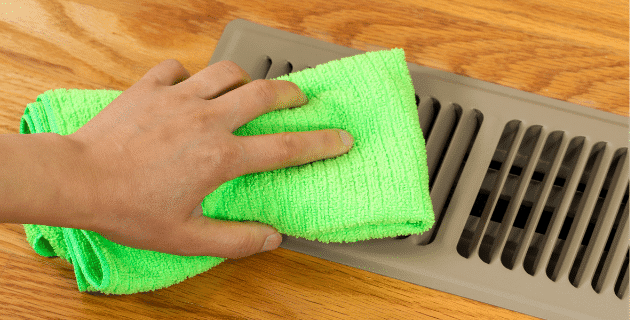
There’s a reason spring cleaning is so popular-the birds are chirping, the sun is shining, and there is a sense of newness in the air! There’s no better time to open up those windows and scrub away all signs of winter. However, spring cleaning isn’t just for dusting and decluttering. It’s also a great chance to assess and address safety issues, especially fire hazards.
Every 89 seconds, a fire department responds to a home fire in the U.S. And according to the National Fire Protection Association, in 2020, home fires were responsible for 3,500 deaths, 15,200 injuries, and $21.9 billion in property damage.
When you clean with fire safety in mind, you help protect your home and family from these often-unforeseen fire safety dangers. To help you stay safe this season, we’ve compiled the top safety cleaning tips from fire departments around the country.
Tip #1: Clear your stovetop of fire hazards.
Stovetops account for the majority of kitchen fires. Making sure that there are no flammable hazards nearby will help prevent the flames from catching and spreading a fire.
-
- Keep your stovetop clean between cooking meals.
- Put space between your stove and anything flammable: oven mitts, wooden utensils, towels, wooden stove covers, and kitchen curtains.
- Keep your kitchen counter free of grease or clutter.
- Always stay near the food you are cooking.
- Turn pot handles inward so you can’t accidentally bump them.
Tip #2: Clean the lint trap in your dryer.
Dryers are a common cause of home fires, and too often, the lint traps are the culprit. Making sure your lint trap is not too full will help.
-
- Clean lint filters before or after each load.
- Remove lint from around the dryer rim.
- Make sure the air exhaust vent pipe is free and clear, and that the outdoor vent flap opens when the dryer is on.
- Move flammable items like cardboard and cleaning supplies away from the dryer, especially when it is on.
Tip #3: Check extension cords, outlets, and wiring.
Damaged cords, overtaxed outlets, and old wiring can cause electrical fires. Check these items to make sure that your electrical setup is not putting your safety at risk.
-
- Check for frayed or damaged extension cords. If you find any, throw them out and replace them.
- Make sure your extension cords are rated for the appliances and items that they are powering.
- Do not put electric cords under carpets or across doorways.
- Check to make sure that your outlets aren’t overloaded.
- If an electric appliance smokes, smells funny, or is drawing heat when plugged in, unplug it.
- If you’re familiar with your home’s electrical system and you can take a look, check for scorch marks or frayed wires. Call an electrician to update or rewire the system.
Tip #4: Check for potential fire hazards.
As you do your spring cleaning, check your home for possible fire hazards. Then, take the steps to minimize their risk.
-
- Keep space heaters at least 3 feet from anything that can burn. Turn them off before leaving the room and before going to sleep.
- Practice safety with candle flames. Store matches where children cannot get them. Alternatively use child-resistant lighters.
- If you have a chimney, get it professionally cleaned and inspected. Chimneys can have a build-up accumulation of creosote, a flammable substance that lines the flue.
- Keep cleaning fluids away from heat sources. Many are combustible. These chemicals could even heat up to dangerous levels outside in the sun. (Consider non-toxic cleaners that are safer when heated, such as vinegar mixed with water.)
Tip #5: Remove potential hazards from the garage.
The garage is where we often store our extra stuff. That includes items that could fuel a fire. As part of your cleaning routine, declutter the garage.
-
- Remove stored newspapers, wrapping paper, blankets, and other flammable items that you may be storing in the garage.
- Dispose of oil or greasy rags. Never leave them in a pile. If you must keep them, store them in a labeled metal container.
- Move propane or gasoline outside your home to a shed or detached garage.
- Check your lawn mower’s gas tank for rust. Make sure the fuel line has no leaks. Check any other gas-powered tools, too.
Tip #6: Clear your outside space.
Even fallen leaves and grass clippings can become fuel for a fire. That’s why clearing your yard is so important.
-
- Clean away dead vegetation, fallen branches, and any debris.
- Clean leaves from your roof and gutters.
- Move trash and woodpiles at least 30 feet away from your house.
- Replace mulch, and keep it at least 3 feet from the house.
- Position your barbecue grill away from your home. Also, keep it away from windows, heating and air conditioning units, and vegetation. Clean the grease or fat buildup every time you cook.
- Make sure your propane hose has no leaks or cracks. If you smell gas when you turn it on, shut it off immediately.
Tip #7: Be prepared.
Despite your best efforts, fires can happen. Make sure you are fully prepared to know about them and to take action.
-
- Test smoke alarms monthly. Make sure they have working batteries. Replace batteries every six months. Replace the smoke detectors every 10 years.
- Make sure smoke detectors are on every level of the house, including the basement, and outside every bedroom. Consider interconnected smoke alarms, so if one goes off, then all will sound the alarm.
- Keep fire extinguishers fully charged and easily reachable.
- Make sure doors and windows easily open in case of the need to escape fast.
- Display your house number prominently in case you need to call for help.
- Create a family escape plan. Include a map of each level of your home. Make sure there are 2 escape routes for each room, such as a window and door. Make sure you account for pets, and also name an outside meeting place in the event of an emergency.
- Practice the plan so that everyone is ready, just in case.
For more home tips on fire safety this spring, check out our blog on The 6 Most At-Risk Fire Areas of Your Home.
This article is furnished by California Casualty, providing auto and home insurance to educators, law enforcement officers, firefighters, and nurses. Get a quote at 1.866.704.8614 or www.calcas.com.

by California Casualty | Auto Insurance Info |
Spring brings warmer weather, plenty of sunshine, and new blooms. But it also brings its share of storms, road glare, and other driving hazards. Here’s how you can stay safe when driving this spring.
Tip #1: Drive slowly and use caution in the rain.
Roads are most slippery when it starts to rain. This is due to rainwater mixing with the oil and grease on the road. But whether the rain has just begun or it’s been coming down for a while, it still makes roads slick.
-
-
- Keep your headlights on so that you are more easily seen.
- Slow down and increase your following distance from other cars. Remember that any amount of water could cause you to skid or hydroplane.
- Make sure your tires have enough tread and your wiper blades are in good condition.
- Avoid using cruise control in the rain.
- Avoid driving through water, which can damage your vehicle. If there’s too large a puddle, consider an alternate route.
Tip #2: Avoid potholes and puddles that could be covering potholes.
Freezing, thawing, and road salt in winter can help to create potholes. That’s why you may notice more of them in the spring. If you hit a pothole at too high a speed, or if it’s too deep, there could be problems. Potholes can lead to punctured tires, bent rims, suspension damage, poor alignment, or other expensive repairs.
-
-
- You may or may not see potholes coming. It’s even harder when they’re covered by puddles. Slow down and drive around both potholes and puddles.
- Keep a safe distance when following another vehicle.
- Keep both hands on the wheel to avoid losing control if you do strike a pothole.
- If you encounter a pothole that is especially large or deep, try to find another route.
Tip #3: Be prepared for sun glare.
Spring is known for its bright sunshine that can temporarily blind you when you’re driving. The hours following dawn and preceding sunset are typically the times when the sun is the brightest.
-
-
- Position the sun visor in your car to block the light.
- Sometimes moving the visors don’t do it. Sunglasses help reduce the sun’s intensity. Keep a pair handy in your car. Wearing a hat or sun visor can help too.
- Slow down. Give yourself plenty of distance behind the car in front.
- Keep your windshield clean. Dust, dirt, and pollen can make the glare worse.
- Pull over if you can’t see.
Tip #4: Share the road with construction, bikes, pedestrians, and kids playing.
Spring weather brings everyone out. That includes construction crews, bicyclists, pedestrians, and of course, children playing. Awareness is the first step.
-
-
- Drive slowly in residential areas. If a ball goes bouncing into the street, chances are there will be a child chasing it.
- Stop and give the right of way to pedestrians in crosswalks. Never pass vehicles that are stopped at crosswalks.
- Slow down and follow signs for new traffic patterns in construction zones. Solid lines in construction zones mean “stay in your lane.”
- Learn biking hand signals, and look for bicycles before you make turns. Allow plenty of space when passing bicyclists.
Tip #5: Be on the lookout for deer at dawn and dusk.
Deer migrate during the spring and sometimes venture too close to roads. A collision with a deer is not only fatal for them; it’s costly in terms of vehicle repairs.
-
-
- Be especially careful during dawn and dusk when deer activity is at its highest.
- Look out for deer crossing signs. These are posted at locations where deer sightings are common.
- Use high beams at night as long as facing traffic isn’t coming.
- If a collision seems inevitable, do not swerve into the other lane. You could hit a vehicle and cause an accident that’s worse.
- Brake firmly, and try to graze the deer rather than hit it. Ease up on the brake just before you connect with the deer. It will cause your vehicle to lift a bit, which might keep the animal from hitting your windshield.
Tip #6: Know how spring allergies can affect your driving.
Spring is a time for allergies. Driving with sneezing, runny eyes and nose, and congestion can be a big distraction. But allergy medications that cause drowsiness could do greater harm.
-
-
- Read the warning label on your allergy medication. If it warns against driving or operating heavy machinery, don’t do it.
- Replace your car’s air filters to ensure they are filtering pollen, mold, and other allergens.
- Consider washable car mats instead of cloth ones so you can clean them. Give your car a spring cleaning.
- Roll up your windows and turn your air conditioner to the recirculation setting. This minimizes the amount of fresh air coming in.
Tip 7: Make sure your vehicle is in good working order.
Keeping your vehicle in top condition will help you navigate the challenges of spring driving more easily. Follow a schedule for regular maintenance.
-
-
- Check your vehicle’s headlights, turn signals, and tail lights to make sure they are working. Make sure your headlights are aligned.
- Check your car’s wipers and replace the blades if they are showing signs of wear.
- Check your car’s air conditioning system to make sure it’s working.
- Make sure your tires have enough tread and are inflated. As temperatures rise and fall, your car tires may expand and contract. This causes loss of air pressure. You will want your tires to be inflated to manufacturer specifications. Check your owner’s manual.
- Finally, make sure you have the proper car insurance. Coverage will give you peace of mind should anything happen.
Now go enjoy the warmer weather. 😊
This article is furnished by California Casualty, providing auto and home insurance to educators, law enforcement officers, firefighters, and nurses. Get a quote at 1.866.704.8614 or www.calcas.com.
by California Casualty | Safety |
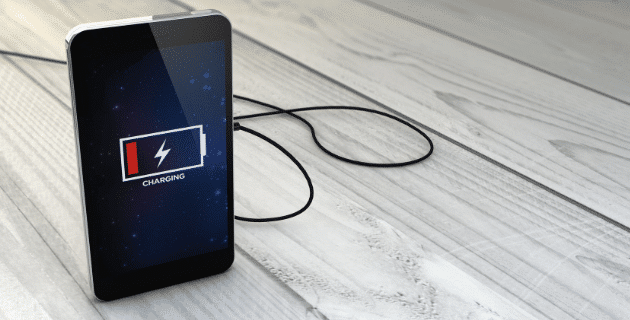
The power’s out and your phone is dangerously low. What can you do to keep its charge for as long as possible, and how can you possibly recharge it when there’s no electricity? Where there’s a will, there’s a way, and we’ve researched the top ways to do so.
After all, your smartphone is more than just a fun accessory and helpful convenience. It can give you access to local emergency updates and severe weather alerts. It also is your primary way to communicate with family and friends during an emergency.
Follow these tips to keep your phone charged during a power outage.
#1. Plug into your laptop.
Your laptop has USB ports that can charge cell phones. If your laptop is fully charged, you can power a phone for hours. Turn on the laptop but don’t unlock your screen. Plug your phone into the laptop USB port. (Note that if you have an iPhone, you may need a USB-C to USB adapter to match the port.)
#2. Use a portable charger or power bank.
You may have one on hand, or if not, you can pick one up. Most drug store chains sell them in addition to electronics stores. The portable chargers and power banks do need to be charged to work but they hold their charge for months, so you can charge one and put it in your emergency kit. Solar chargers are popular options; the advantage is that they can charge with the sun. But they vary widely in power capability so do your research.
#3. Plug into your car.
Most newer vehicles have USB ports where you can plug your phone. If not, you can buy an inexpensive USB car adapter that plugs right into your car’s dashboard in the space commonly known as the cigarette lighter. Simply turn on your car, and plug in your phone. This works even if you’re out of gas.
#4. Use an inverter.
Another way to charge from your car is to use a power inverter. This tool converts the 12-volt direct current in your car’s battery to the 120-volt alternating current for your phone. It’s a process similar to jump-starting your car. Do this outdoors and not in the garage to avoid carbon monoxide fumes. You connect the inverter to your car’s battery using alligator clamps, with the positive red cable on the positive battery terminal and the negative black cable on the negative battery terminal. Then plug your phone into the AC plug on the inverter, and start your car. You’ll be drawing power directly from the battery, so you’ll need to run your car afterward to recharge your battery.
#5. Use your car battery jump pack.
If you have a car battery jump pack – considered one of the must-carry items for your car — you may have a way to charge your phone. These jump packs usually come with USB charging ports.
#6. Try a crank-powered phone charger.
Crank-powered chargers are mechanical devices that harness your own physical power. You turn a handle, which spins a magnet, creating a magnetic field. It takes a lot of effort to generate enough to power your phone, but it’s a low-cost alternative that can be very effective.
#7. Use a Biolite CampStove.
A Biolite CampStove is a portable wood stove that actually generates electricity. If you have this camping appliance, you can cook your meals and charge your phone.
#8. Go to a place that has power.
If it’s not a region-wide power outage, you can drive to a place that has power, such as a coffee shop, restaurant, or store where you can plug in your phone. If your office or your school has power, try those places.
#9. Conserve your phone’s battery.
You don’t know how long the power will be out. That’s why the first step is to ensure your phone isn’t using any more battery than necessary. Here are some ways to do that.
-
-
- Dim the brightness of your screen. On an iPhone, go to Settings, then Display & Brightness. Drag the slider to dim it. On an Android, swipe down from the top to see the Notification Shade. Depending on your phone, you may have to swipe twice. Tap and hold the brightness slider and drag it to the right level.
- Put your phone into Low Battery Mode. On an iPhone, go to Settings, scroll down to Battery, and select Low Battery Mode. On an Android, swipe down from the top menu for the Power Saving icon.
- Shut down any applications running in the background. On an iPhone, swipe up from the bottom of the screen, pausing in the middle. Then, swipe right or left to find the app you want to close. Swipe up on the app to close it. On an Android, go to Settings, then Apps. Choose the app that you’d like to stop and then tap Force Stop.
- Turn off your phone’s WiFi location services and Bluetooth. On an iPhone, you’ll find that at Settings and Wi-Fi, and at Settings and Bluetooth. On an Android, swipe down from the top, and look for the Wi-Fi icon below the date. Select it and then tap the toggle switch to turn it off. For Bluetooth, go to Settings, then Apps. Find Bluetooth and tap the toggle switch to off.
- Put your phone into Airplane mode, which may disable WiFi and Bluetooth. This will prevent you from calling or texting, and also receiving calls and texts, so you will need to take it off for communication. On an iPhone, go to Settings, then Airplane mode, and enable it. On an Android, swipe down from the top of the screen two times to open Quick Settings. Look for Airplane mode and tap the toggle switch. (Pro tip: Phones being charged while they are in Airplane mode tend to charge faster.)
- Don’t use your phone to play music, podcasts, or games to pass the time. This will only drain your battery.
- If you won’t be using your phone for hours, shut it off to conserve the battery in the long run.
This article is furnished by California Casualty, providing auto and home insurance to educators, law enforcement officers, firefighters, and nurses. Get a quote at 1.866.704.8614 or www.calcas.com.