by California Casualty | Homeowners Insurance Info |
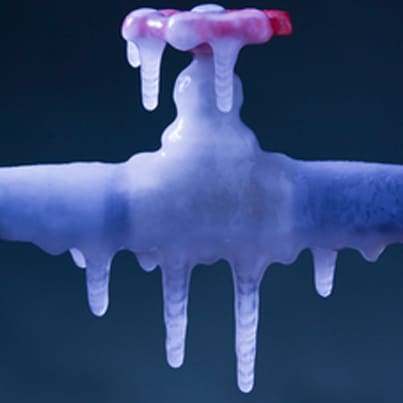
You and your home have ridden out one of the coldest nights of the year; the weather is warming when suddenly you hear water running inside a room. It’s a burst pipe, which can lead to substantial damage in your home.
How much damage can a broken pipe cause? The Federal Emergency Management Agency estimates that just two inches of water can cause more than $10,000 for repairs and replacement of flooded items. Six inches of water can add up to more than $30,000.
While frozen pipes are most common in northern and mountainous areas of the country, they can occur anywhere when a major polar front hits. Homes from California to Florida have suffered water damage from broken pipes after spells of severe cold.
So before the thermometer plunges, here are things the American Red Cross advises you do to prevent pipes from freezing:
- Disconnect outside hoses from faucets
- Insulate water pipes, especially along exterior walls and unheated areas
- Add insulation to walls and attics where pipes may run
Once the sub-zero weather hits you should:
- Let faucets drip to prevent freezing
- Keep the thermostat above 55 degrees
- Make sure garage doors are closed
- Open kitchen and bathroom cabinets to allow warm air to circulate around plumbing
So you’ve prepared and kept as much heat as possible going to cold areas, but the cold air still froze a pipe; what now? Stay calm but act as quickly as possible to:
- Locate where the pipe is frozen
- Open the nearest faucet to relieve pressure when the ice thaws
- Slowly warm the pipe with a heating pad, hair dryer, space heater or wrapping it with hot towels – never use a blow torch or open flame
If the pipe has cracked or broken, immediately turn off water at the main water valve and call a plumber. Shutting off the water will prevent further damage.
Once a pipe freezes, odds are it will happen again. Here are some tips to prevent it in the future:
- Hire a plumber to relocate to a warmer area
- Add more insulation in walls, attics and crawl spaces
- Wrap the pipe with electric heat tape, when temperatures drop, plug it in
Remember, if a burst pipe sends water into your home, contact a California Casualty Claims advisor as soon as possible; we can help get you started on the clean-up.
And before the next cold front hits, call a California Casualty advisor for a free auto or home insurance policy comparison and review to make sure you are protected against winter’s fury, 1.800.800.9410.
Sources for this article:
https://home.costhelper.com/water-leak.html
https://www.floodsmart.gov/floodsmart/pages/flooding_flood_risks/the_cost_of_flooding.jsp
https://www.redcross.org/prepare/disaster/winter-storm/preventing-thawing-frozen-pipes
This article is furnished by California Casualty, providing auto and home insurance to teachers, law enforcement officers, firefighters and nurses. Get a quote at 1.800.800.9410 or www.calcas.com.
by California Casualty | Safety |

It happens every fall; as the first frigid Polar air makes its plunge into the U.S., many of us are scrambling to find the hats, gloves and extra layers we put away for summer.
Hopefully you have had your HVAC system checked and replaced the filters for maximum warmth on these cold days. Here are some more simple tips from Wikihow.com to keep you warm while helping you save on the heating bill:
- Warm rooms by opening window shades when the sun is shining
- Hang cheap, clear shower curtains to block cold air while allowing the sun’s heat in
- Close off unused rooms
- Use rugs and carpets over cold floors
- Cooking with the oven adds heat to your home
- Drink hot liquids
- Wear layers
- Exercise
- Snuggle with a pet
- Get a heating pad or electric blanket
Remember, too, that running ceiling fans in reverse pushes warm air down to the ground.
To help keep you safe, the American Red Cross is launching a new campaign to reduce the risk of home fires that usually increase this time of year. The most essential part of the campaign is to have Americans install and check their smoke alarms and for each household to practice fire drills. The Red Cross also urges everyone to follow these common sense heating safety tips:
- Keep ignition sources like paper, clothing, bedding and curtains at least three feet away from space heaters, stoves and fireplaces
- Never leave heaters and fireplaces unattended
- Place space heaters on a level hard surface like tile floors and away from rugs
- Look for models that have automatic shut off features
- Have wood and coal stoves, fireplaces, chimneys and furnaces professionally inspected and cleaned once a year
Now is also a great time to make sure your family has an emergency kit. According to Ready.gov, it should have enough food and water to survive for a minimum of three days and should also contain:
- A battery powered radio
- Flashlight
- Lots of extra batteries
- First aid kit
- Formula and diapers if you have an infant
- Moist towelettes, garbage bags and plastic ties for sanitation
- Plastic sheeting and duct tape to shelter in place
- Wrench or pliers to turn on and off utilities
- A can opener
- Any essential medications
- Household chlorine bleach to disinfect and treat water
You can find numerous other winter safety preparations and tips at the California Casualty Resources Page. And don’t forget to make sure your vehicle is ready for winter too.
Now is a really good time to make sure your home or apartment is fully protected for fire, ice, wind and other winter damage. Call a California Casualty advisor today for a policy review and to see what discounts you qualify for at 1.800.800.9410 or at www.calcas.com.
Sources for this article:
https://www.wikihow.com/Stay-Warm-at-Home-Without-a-Heater
https://www.redcross.org/prepare/location/home-family/prevent-home-fires/
https://www.ready.gov/build-a-kit
https://mycalcas.com/2012/11/preparing-your-car-for-winter/
by California Casualty | Nurses |

For most of us, time is a rare commodity. If you had an extra hour, what would you do? Let’s throw out the obvious: get an extra hour of sleep, play with the kids or clean the house, and here are some interesting ideas as the end of Daylight Saving Time this weekend provides that rare extra hour of time:
- Write a love letter to your spouse or partner (when was the last time you did that?)
- Catch up on that Netflix show you keep trying to see
- Try a new recipe
- Read a book
- Get a massage
- Write those thank-you notes you promised you’d get out
- Google yourself and family members
- Plan a perfect dinner party
- Give yourself a makeover
- Unplug the computer and TV, hide your cell phone and just enjoy the silence.
For Educators:
- Use it to write longer, pithy comments as you grade papers due last week
- Get an extra hour of push-ups and exercise to gird yourself for the rest of the school year
- Shop for technology you’d like to have in your classroom (but probably won’t ever have the funds for)
- Revise the lesson plan to satisfy unsatisfied parents and administrators
- Learn how to do math problems the “Common Core” way
- Fill a week’s worth of water bottles and prepare snacks to save time the rest of the week
- Doing that self-evaluation you were supposed to do at the beginning of the school year
- Fill out grant requests so you can afford to buy classroom materials
- Rearrange the class seating chart to accommodate the three new students who are coming into your already crowded classroom
- Look over the “new” testing criteria that will be instituted next semester
The California Casualty $7,500 School Lounge Makeover and $2,500 dollar Academic Award could help you, and it takes less than a few minutes to enter, find out more at www.schoolloungemakeover.com or www.calcasacademicaward.com.
For Nurses:
- Looking up recipes you’d like to cook, if you had the time
- Reacquaint yourself with the people you call family, but rarely see
- Catch up on the charting that electronic record keeping promised would be “that much easier and faster”
- Reorganize the work station so it is actually more functional
- Go for a run or to the gym for the first good workout of the year
- Talk with the patient in room 201 whose yet to have a visitor
- Chart your goals and desires and the prescription to getting there
- Design a patient gown that actually fits and works
- Actually watch one of the shows or movies in your Netflix cue
- Take that nap you promised yourself at the beginning of the year
Need a break? Enter for the California Casualty Give A Nurse A Break getaway at the world famous Hotel Hershey and Spa®. It only takes a minute to enter; details and rules can be found at www.giveanurseabreak.com.
by California Casualty | Firefighters |
October is almost over but the risk for home fires increases as the temperatures drop. To finish out October we want to examine your preparedness.
Did you know?
- On average, 7 people die every day from a home fire
- On average, 36 people suffer injuries as a result of home fires every day
- Over $7 billion in property damage occurs every year from home fires
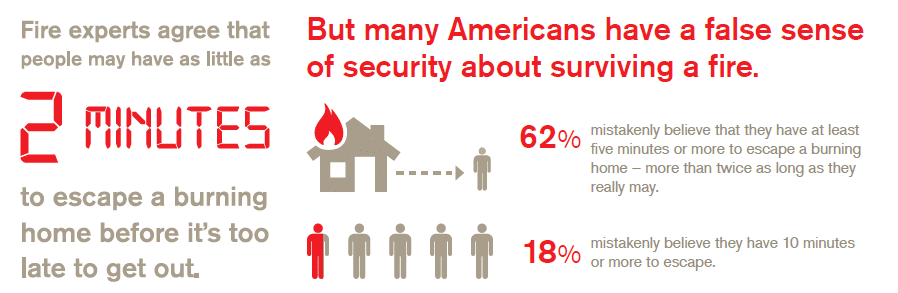
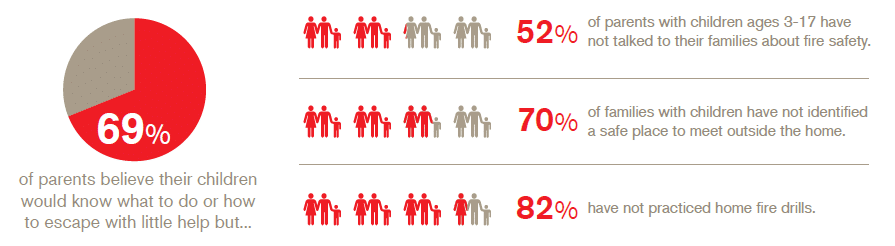
Families can take 3 easy steps to increase their chances of surviving a home fire:
For helpful tips on how to develop your escape plan and other fire safety information visit the Red Cross webpage at: https://www.redcross.org/prepare/location/home-family/prevent-home-fires.
This article is furnished by California Casualty, providing auto and home insurance to educators, law enforcement officers, firefighters and nurses. Get a quote at 1.800.800.9410 or www.calcas.com.
by California Casualty | Homeowners Insurance Info |
As the temperatures cool and the leaves begin to fall, don’t think your yard work is done. Autumn is a critical time for lawns, gardens and other landscaping. What you do now will impact how nice your lawn and garden look next spring.
Did you know that fall is when Kentucky Blue Grass starts regenerating and most root growth takes place? A good feeding and watering will do wonders for that lush green carpet you dream of in the spring and summer. It is also the best time to do weed control. So what do you need to do? These tips come from Lawn Care Made Easy:
- Increase the height of your mower blade; longer grass will help protect against winter’s cold
- Reseed bare patches
- Fertilize your lawn for a healthier spring growth
- Make sure to rake or mulch leaves that can choke your lawn
- Do extra weed control
- Remove highly acidic pine needles that can interfere with lawn growth
Don’t forget your garden. Fall is the time to clean up old plants, add mulch and plant bulbs that will burst with colorful flowers in the fall. Treehugger.com has a list of things you can plant in your garden this fall:
- Trees and shrubs
- Spring flowering bulbs (tulips, crocuses and daffodils)
- Perennials
Other important things you should be doing before the first freeze come from the article, 14 Fall Tips for a Better Spring Garden:
- Emptying hoses, rain barrels and sprinkler systems
- Prepare your spring garden beds and get cold frames and poly-tunnels ready for those early spring plants
- Winterize any garden ponds
- Give young trees and shrubs a good deep fall watering
- Clean, repair and sharpen tools and find proper storage for them
- Review and plan for next year
Just like your garden, when was the last time you had an auto or home insurance policy review? Have you upgraded your home, bought new appliances, electronics, jewelry or vehicles? Now is a great time to contact a California Casualty advisor to make sure you are getting the best coverage at the best value at 1.800.800.9410 or www.calcas.com.
Sources for this article:
https://www.lawncare-made-easy.com/fall-lawn-care.html
https://www.treehugger.com/lawn-garden/3-things-you-can-plant-your-garden-fall.html
https://www.ebay.com/gds/14-Fall-Tips-For-A-Better-Spring-Garden-/10000000178803946/g.html?roken2=ti.pTWVsaXNzYSBXaWxs