by California Casualty | Calcas Connection, Good to Know, Homeowners Insurance Info |
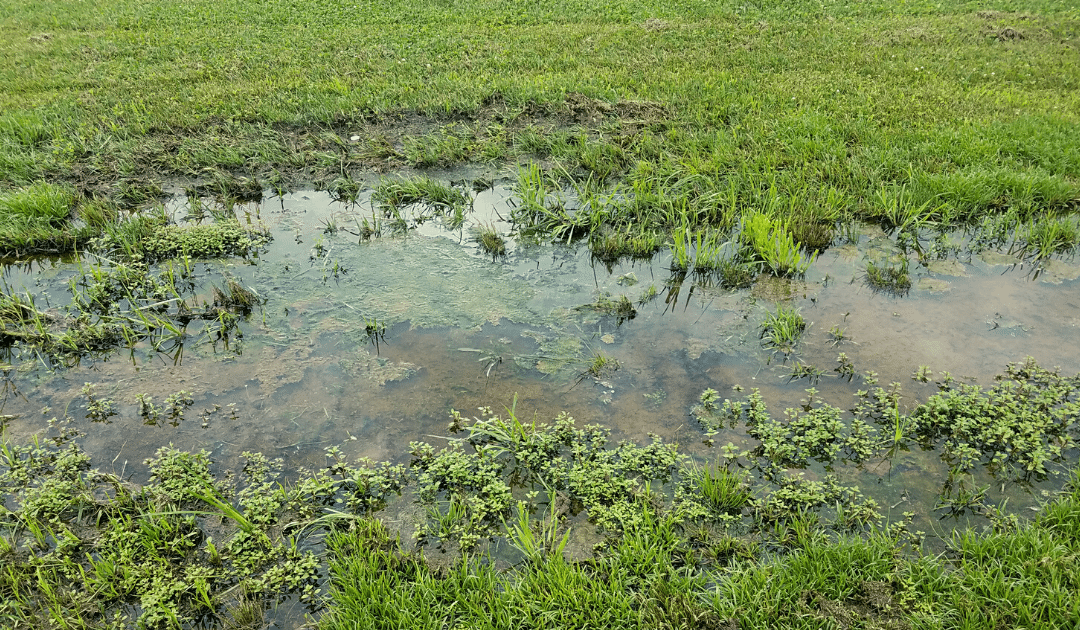
Spring is here! And so are spring storms, but spring showers don’t just bring flowers, they can also bring more water than what your yard can hold. And this standing water around your house can cause water damage to your home- costing you more than you think.
By definition, standing water is a body of water that does not move or sink into the ground. It can be caused by a number of factors: heavy rain, over-watering, poorly draining soil, improper grading, incorrect landscaping, low areas in your yard, and even water line leaks or bursts.
If you have standing water in your yard for multiple days, it can cause serious damage to your home. Not only will it be an eyesore that can ruin your grass and draw unwanted bugs, but stagnant water on the side of your home can also seep into small cracks or pores in your home’s foundation and get into your crawl space or basement, which can lead to water damage & more.
Here’s why you should address the standing water near your home now, and how you can prevent it from happening in the future.
Standing Water Can…
Ruin your basement. Water can cause cracks in your home’s foundation. This is how water enters your basement or your crawl space. Once inside it can create a musty odor and add dampness that will completely ruin flooring, drywall, furniture, electronics, etc.
Produce mold & mildew. High levels of condensation and humidity inside of your basement or crawl space create an environment for mold and mildew to thrive. This could not only affect your home, but it could also cause major health issues for you and your family.
Breakdown your home’s foundation. Over time, standing water that has made its way into your cement foundation will start to cause shifting and bowing of your structure. This is the beginning of the breakdown of your home’s foundation. If not taken care of- doors will no longer close, floorboards will start to squeak, steel beams may have to be inserted, and it could even lead to structural collapse.
Cost you thousands of dollars in repairs. A homeowner spends over $3,000 on average to repair damages to their home and property caused by water. Preventive maintenance and early detection are key to helping you save your home and your wallet.
But that’s not all, standing water can also draw unwanted pests: mosquitoes, roaches, termites, ants, silverfish, and other pests thrive in moist environments. They will seek damp areas and make your home their home if you don’t address the issue quickly.
Here’s how you can prevent standing water from getting into your home this spring.
How to Prevent Standing Water
1. Check for Proper Roof Drainage
Make sure every drop of rain will drain off of your roof correctly- starting at your gutters. Make sure they are free of leaves and sticks and that you have an attached downspout that is also clear of debris. It is also important to make sure your downspout has a downspout extension that will move water away from the foundation of your home.
2. Monitor Your Sprinkler Usage
If you see standing water, make sure to check that your sprinklers are not overwatering your lawn. First, check to make sure the sprinkler heads are functioning properly and not broken. If there is no issue, you will likely just need to reset your sprinklers to run at a less-frequent timespan. After resetting, if you are still seeing patches of barren or muddy lawn, you may have a leaky valve. Valves are responsible for distributing the water throughout the entire system, and if damaged they will need to be replaced right away.
3. Make Sure Your Yard is Correctly Graded
Grading, also referred to as lawn leveling, is the process of leveling your lawn to allow for the proper drainage of water. If you have water that is pooling around your foundation or your house is sitting on a low level, you may need to look into re-leveling your yard. Grading involves the moving of topsoil onto the yard. You will then even out the low spots with the soil and form a downward slope (around 2%) from your home’s foundation. Leveling is an intricate process, and if your yard needs re-leveled, you may need to hire a professional.
4. Aerate Your Lawn
Aerating your yard means to perforate the soil with holes (4 – 6 inches deep) to allow water, air, and other nutrients to better absorb into the soil. Not only will aeration lead to a greener, healthier lawn, but it will also alleviate soil compaction and allow water to better absorb during rainstorms. The best time to aerate your lawn is during spring and fall.
5. Mind Your Landscaping
Improper landscaping can cause water to sit at the base of your home’s foundation and ultimately make it into your home. When landscaping, avoid making any changes that will block drains or downspouts. Make sure that all of your landscaping slopes downward to create runoff and that all downspout extensions or drainage systems extend beyond your planting beds leading the water away and far from your foundation.
6. Install a Drainage System
If you are constantly struggling with standing water in an area of your yard, it may be best to look into installing a yard drain. Yard drains act like shower drains. They prevent flooding and move the water away from your yard through hidden pipes to a dry well. The dry well will then collect the water underground and slowly percolate to the soil around it
Standing water is a serious, yet largely overlooked, issue that can have serious consequences. If water has been in your yard for multiple days and won’t drain, don’t neglect it. Look for the cause of your problem or reach out to a professional. Acting today will save you time, money, and headache tomorrow.
This article is furnished by California Casualty, providing auto and home insurance to educators, law enforcement officers, firefighters, and nurses. Get a quote at 1.866.704.8614 or www.calcas.com.
by California Casualty | Homeowners Insurance Info, Safety |
With cold weather comes extra hazards. Be on the lookout for these six common ones, so you can avoid injury, accidents, and damage to your home.
1. Unsafe Heaters and Furnaces
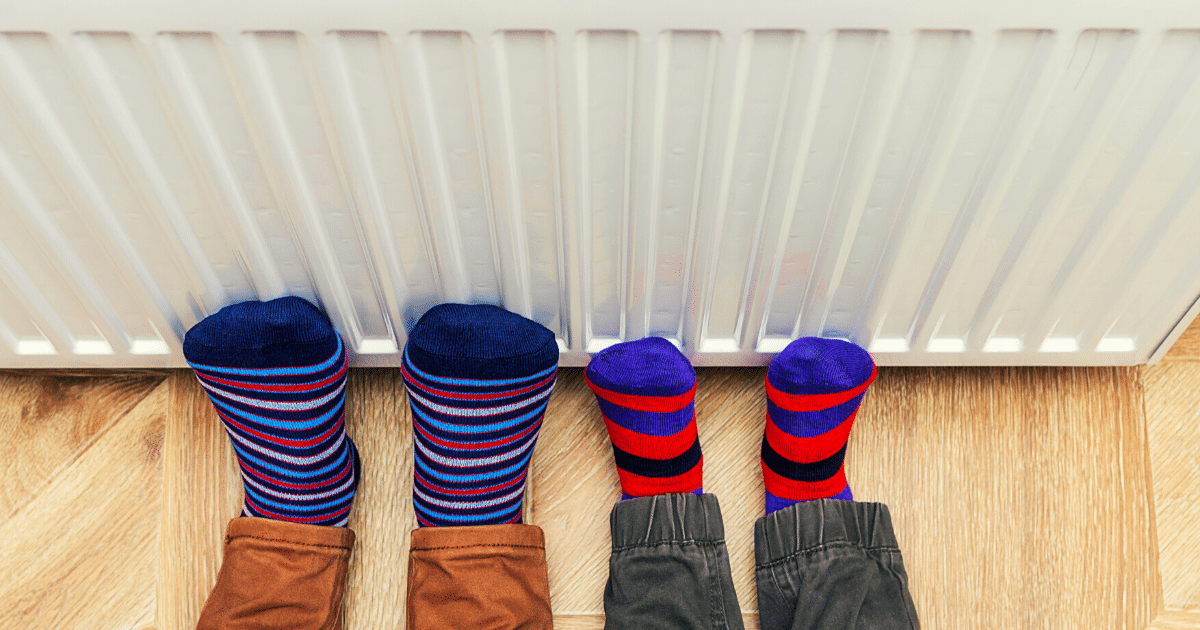
Make sure your heating system has been inspected by a professional (ideally well before winter arrives). This will ensure that it’s prepped for the hard work of heating your home through frigid temps and doesn’t break mid-season, leaving you scrambling for repairs. Here’s how you can keep it in working order:
-
- Wipe it down regularly to get rid of dust and debris; you can also gently vacuum it with a nozzle/brush attachment.
- Clean vents and adjust dampers in all rooms.
- Replace dirty filters as needed.
- Listen and watch for strange sounds or behavior. Do a visual check from time to time for frayed wires or other damage (pests can attack without your knowledge!).
- If you have a furnace, be sure to check the pilot light regularly (follow manufacturer’s instructions).
2. Fireplace Hazards
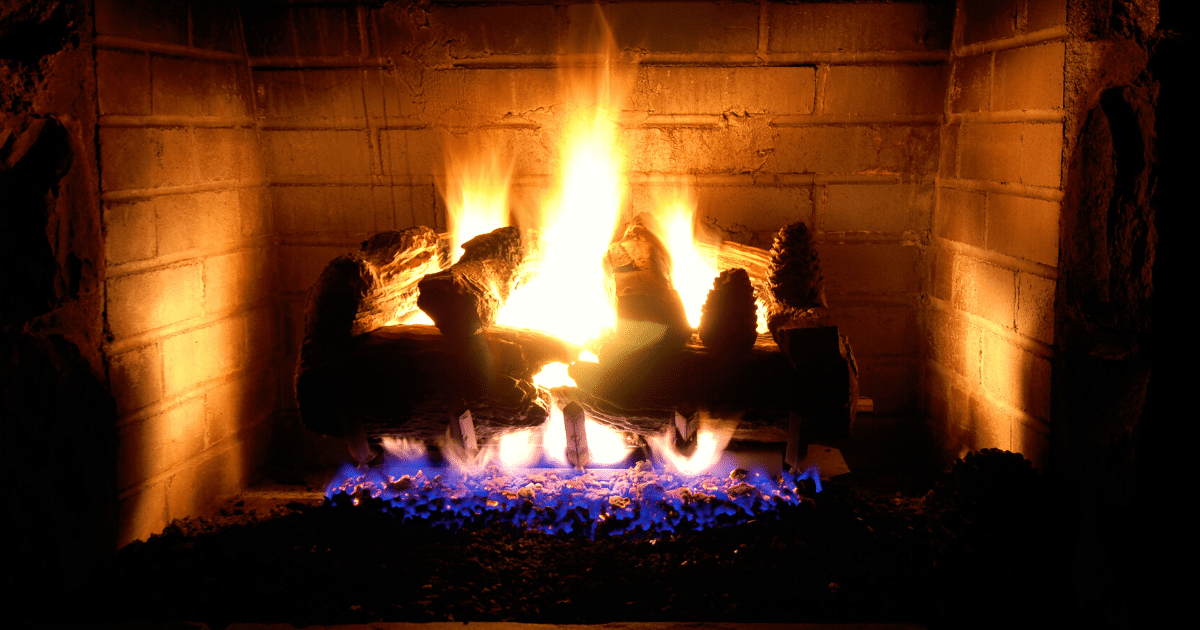
Like your heating system, your chimney, flue, and supporting structures need an annual inspection (and possible cleaning). Schedule inspections at the same time for an easy maintenance routine. Besides inspections, be sure to:
-
- Clean out ash after every fire – excess ash can reduce airflow and make your next fire dangerous.
- Never leave a fire unattended, and always make sure it’s completely extinguished before leaving it for the night.
- Use a fire screen for extra protection and consider fireplace doors if appropriate.
- Check your smoke and carbon monoxide alarms to make sure they’re working properly.
- For more indoor fire safety tips, check out our blog post.
3. Porch and Deck Safety
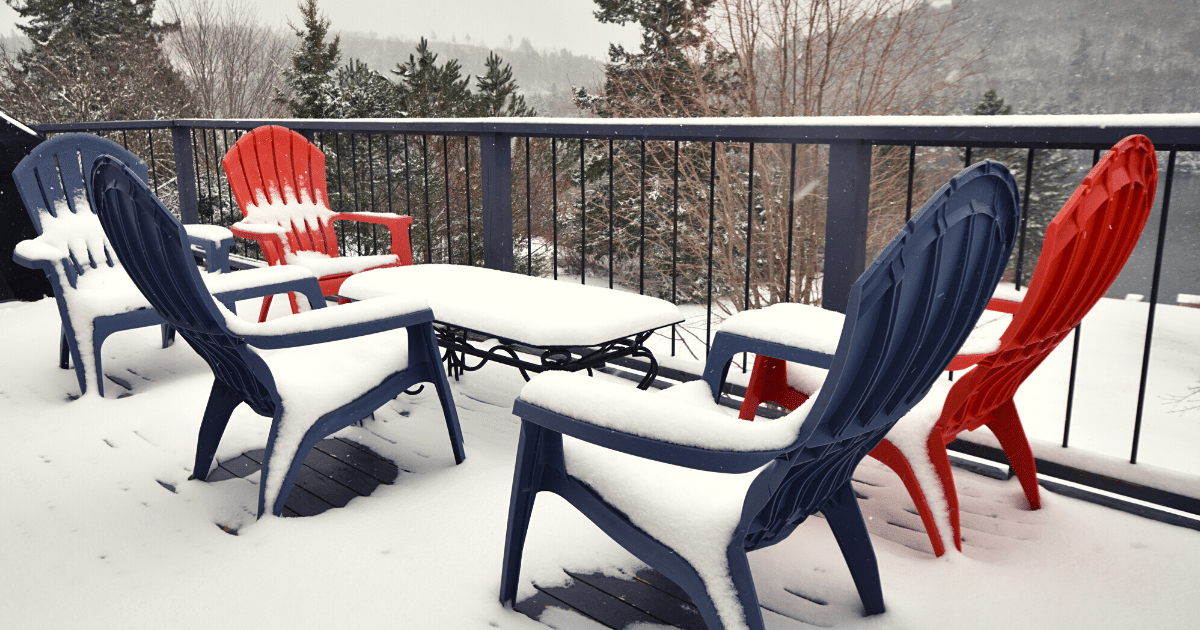
The areas immediately surrounding your home and entrances pose a special risk for slips, falls, and other injuries resulting from ice. Protect yourself, your family, and any visitors with these precautions.
-
- Remove snow from decks, walkways, porches, and your driveway as soon as possible to prevent a melt-and-refreeze cycle (i.e. black ice).
- Consider slip-resistant finishes and coatings, deck strips, or even mats in high-traffic areas.
- Make sure handrails are secure and in good working order to provide stability when stairs are slick.
4. Gutters and Roofs
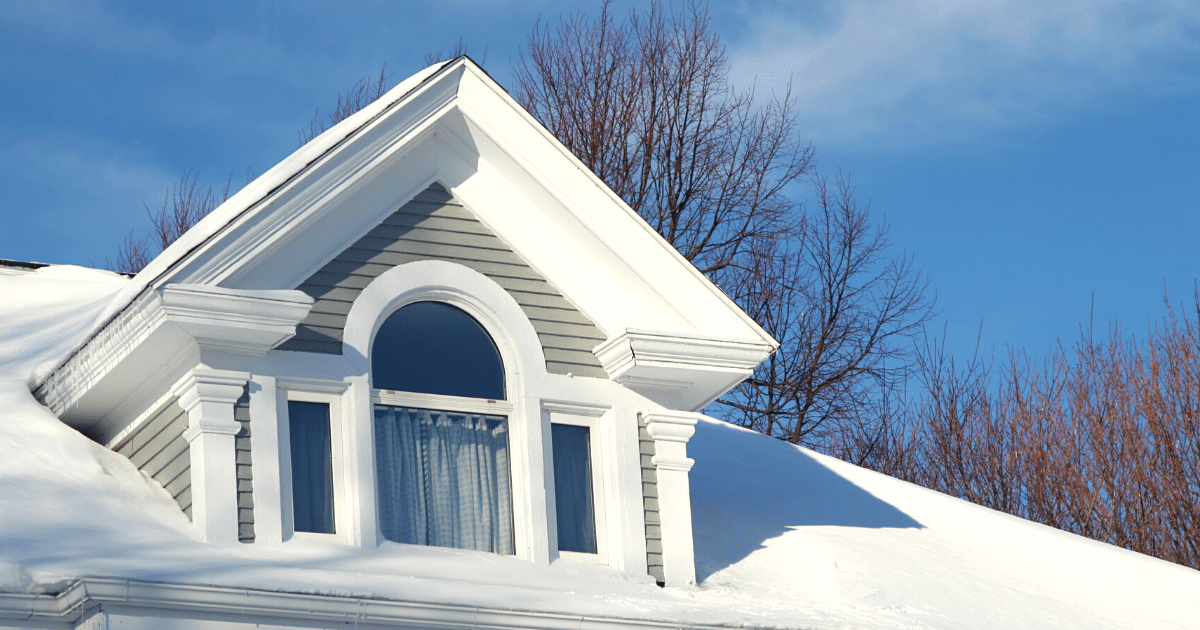
Following a theme from earlier on, it’s imperative to get your roof inspected annually so that you become aware of any problems and can get repairs done before winter sets in. Then, throughout the season:
-
- Keep gutters cleared out so that water goes down the spout where it’s supposed to, rather than finding other cracks or crannies to get into.
- If you live in a snowy area, clean gutters can also help prevent ice dams from forming and causing costly damage.
- Remove snow from your roof regularly with a roof rake.
- Use that same rake to remove any icicles that have formed.

5. Power Outage Prep
Snowstorms and freezes can easily take out power lines, leaving you in the cold and dark. Have your emergency plan and power back-up ready in case you need it. Additionally:
-
- Have a two-way radio for news concerning the outage (make sure it’s solar-powered, uses batteries, or is hand-crank).
- Have a hand-crank or solar-powered cellphone charger so you can keep in touch with family, neighbors, and friends.
- Invest in a generator, and always have flashlights, lanterns, and extra batteries on hand.
- If you don’t have an emergency kit or plan for your family, make one today.
6. Germ Safety
Illnesses, including the flu, coronavirus, and others surge during winter months because we’re usually indoors and in close proximity to others. Be sure to stick to the routine precautions for COVID-19 prevention – including mask-wearing, frequent handwashing, and social distancing – to keep yourself and your family safe. Pandemic fatigue is real, but sticking to the guidelines will keep us all – including our nurses, doctors, and other health care workers – healthy until a vaccine is available.
Many times, making sure your home is prepped for winter hazards means thinking ahead in summer and fall. Keeping up with your yearly inspections can uncover problems with chimneys, heating systems, and your roof that could cause major headaches and damage right when the thermometer is plunging. Taking actions early – and keeping an eye out year-round – will give you peace of mind during the winter so you and your family can enjoy a cozy, serene and safe home.
This article is furnished by California Casualty, providing auto and home insurance to educators, law enforcement officers, firefighters, and nurses. Get a quote at 1.866.704.8614 or www.calcas.com.
by California Casualty | Auto Insurance Info, Homeowners Insurance Info |
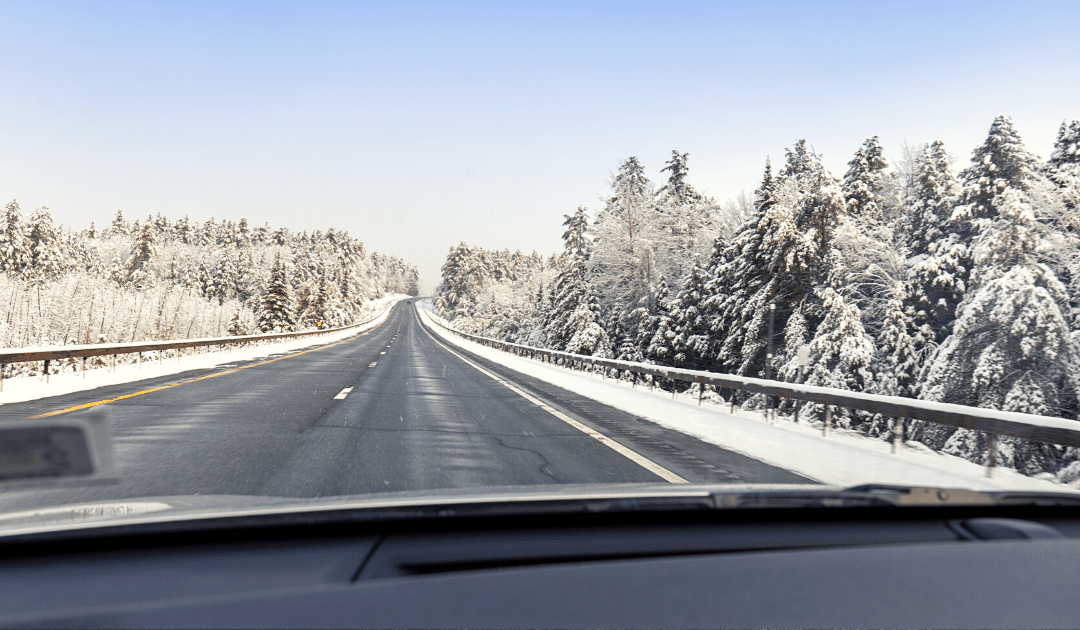
The same winter wonderland scene that gives us soft snowdrifts outside cozy living rooms can also serve up treacherous blizzards, freezes, and black ice.
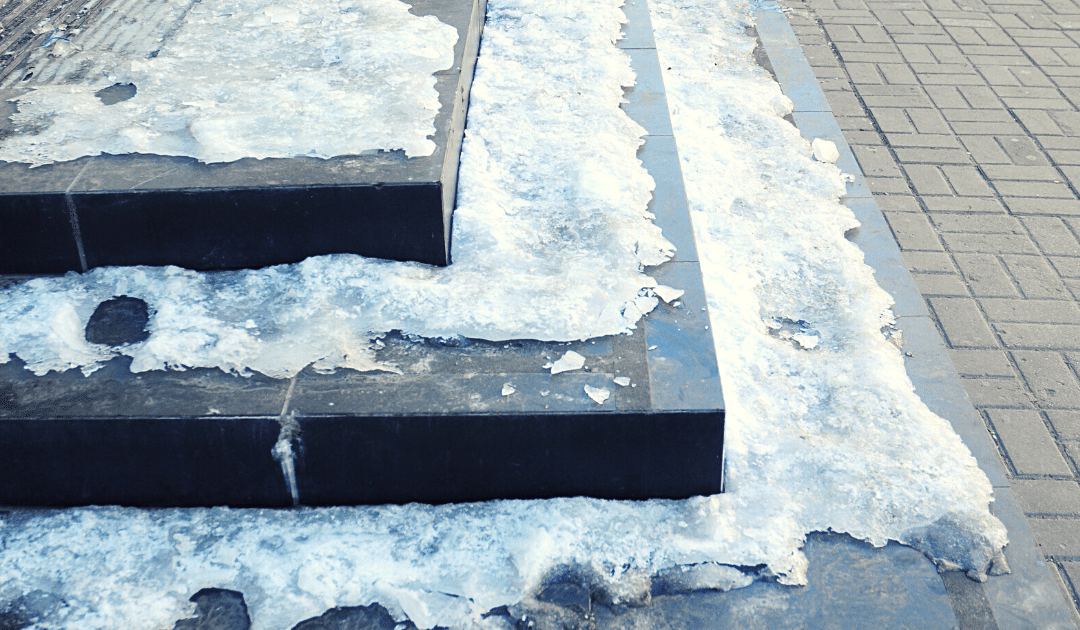
Contrary to its name, black ice is actually clear and forms a frozen “glaze” that coats all kinds of surfaces and can cause slips, falls, and car accidents. It’s incredibly dangerous not only because of how slippery it is but also because it’s so hard to spot. Transparent and thin, it can hide in plain sight.
It frequently occurs on roads, sidewalks, porches, pathways, and driveways – in other words, surfaces we frequent to get where we’re going every day. Here are some ways to stay safe at home and on the road when conditions are ripe for black ice.
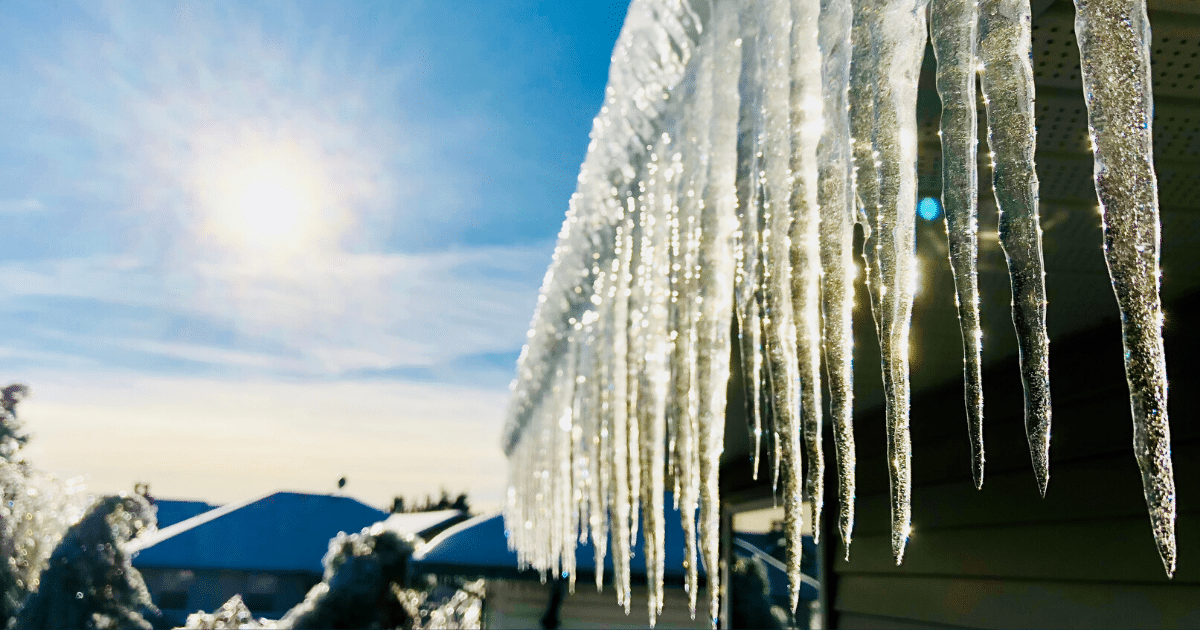
At Home
Besides your driveway, you probably have paved walkways or other hard-surfaced paths around your home. These tips will help reduce injury risk when ice is underfoot, and before it forms.
-
- Unblock drains and gutters. This will help melting snow and ice go where you want it to, so it doesn’t freeze on walkways.
- Keep up with snow shoveling. Make sure to keep up with falling snow so that it doesn’t melt and refreeze into a slipping hazard.
- Put out a tarp. If freezing temps are on their way, lay out a tarp or cloth where you want to prevent black ice. This can include your car, porch, pathways, and the driveway.
- Add some grit. You can sprinkle fine gravel, sand, kitty litter, wood ash or coffee grinds on surfaces to reduce slickness. A note of caution that some work better than others and some can leave a mess.
- Consider a snow-melting mat. If you deal with freezing temps very often, you might want to look into heated driveway mats, which can be effective at preventing black ice formation.
- During icy conditions
- Clear out the snow. If snow has fallen, clear it out so the sun can dry the surface rather than melt the snow into ice.
- Consider a de-icer. Use these with caution though (and probably as a last resort), as some can be harmful to pets, your yard, driveway, and the environment. Try not to over-salt, either, for the same reasons.
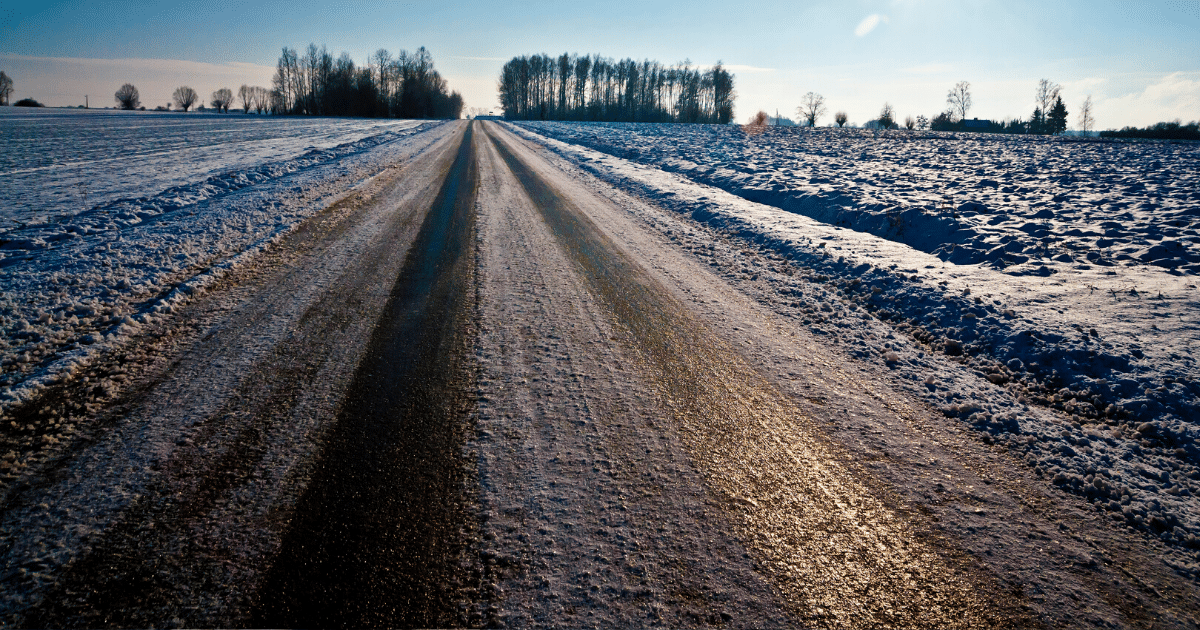
In the Car
When temps are at or below freezing, avoid driving if you can. But if you have to get on the road, keep these precautions in mind.
-
- Check the tires. Tires are the only part of your car that touches the road. The less tread, the less traction. If they’re getting worn, replace them asap. Better yet, get winter tires.
- Know your brakes. Standard brakes perform differently from anti-lock, or ABS, brakes, so make sure you know what kind you have and how they behave in snowy, icy, and other hazardous road conditions.
- Do a winter safety check. Make sure your vehicle is prepped for winter safety (and stranding as a worst-case scenario!) – follow our tips here.
- Double-check your car kit. All it takes is one small patch of black ice to cause a slide that lands you immobile on the roadside. Check that your emergency winter car kit contains everything you need.
- Warm-up your car. Let your car warm up before getting on the road. When you feel the heat coming through the vents, it’s sufficiently warmed and ready to go.
- Improve your visibility. Make sure you set out with 100% visibility. If your windshield is foggy inside or iced over on the outside, use our tips here to get it cleaned off and clear.
- Take your time. Give yourself extra time to get where you’re going and be sure to drive much slower than you normally would – this will give you and other drivers more time to react if you need to.
- Slow down and increase following distance. Give yourself and other drivers more room than normal – and never tailgate.
- Know what to do in a skid. If your car goes into a skid, do not hit the accelerator or the brakes. Instead, steer gently in the direction of the skid, making sure not to jerk the steering wheel. Get the full step-by-step info here.
Your best bet against injuries caused by black ice is to use an abundance of caution, make prevention a habit and develop a “sixth sense” for spotting this wintertime danger. Stay safe out there!
This article is furnished by California Casualty. We specialize in providing auto and home insurance to educators, law enforcement officers, firefighters, and nurses. Get a quote at 1.866.704.8614 or www.calcas.com.
by California Casualty | Homeowners Insurance Info |
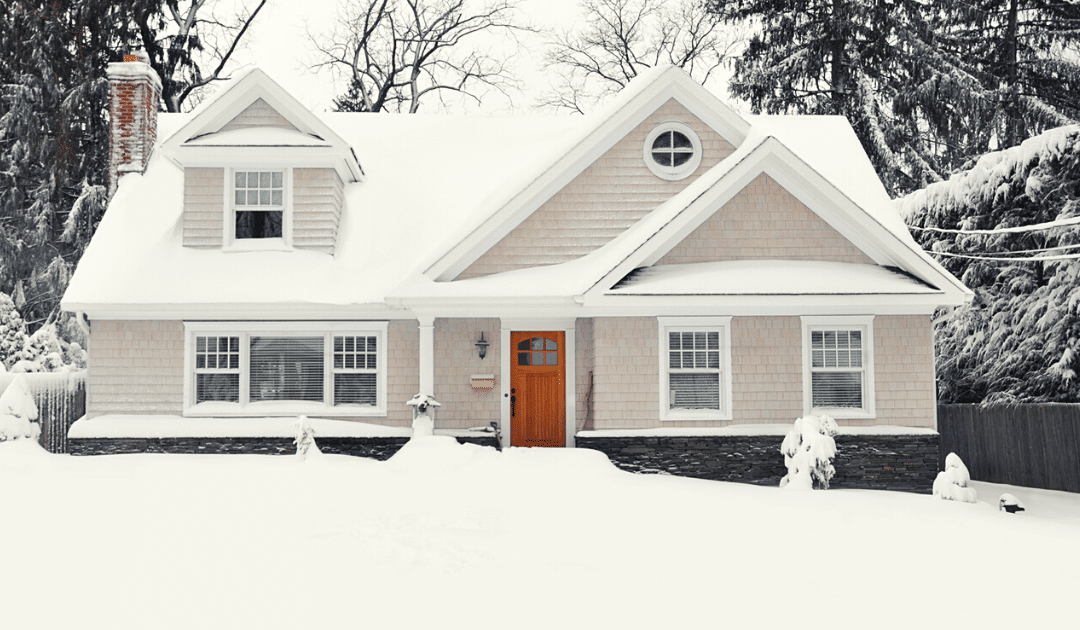
Extreme weather events are becoming more severe and frequent. If you live in a region that gets snow and ice, these events can easily cause damage to your home, racking up losses and repair costs.
Here are some of the common ones to prepare for, coverage considerations, and how to prevent damage in the first place.
Frozen Pipes
One of the most common sources of wintertime home damage is water damage from frozen pipes. Losses are usually covered under your homeowner’s policy; however, keep in mind that some claims are denied if negligence is found (e.g. proper home temperature wasn’t maintained).
Protect against water damage:
-
- Add extra insulation in attics, basements, and crawl spaces where pipes may be exposed to the cold.
- During especially chilly spells, turn faucets on just enough for a very slow drip.
- Shut off water to outside hoses and store them inside to protect them from extreme temps.
- Read our post for more tips on preventing frozen pipes.
Ice Dams
Ice dams form when snow melts on your roof and refreezes before siphoning off. Once formed, they continue to grow with further melt/refreeze cycles. Over time, ice dams can damage your roof, sometimes springing leaks that let water into your home. While your homeowner’s policy should help cover damage to your roof and home (check your policy for coverage limits and details), it probably won’t cover damage to any personal belongings.
Protect against ice dams:
-
- Remove snow from your roof regularly.
- Ventilate your attic so that hot air doesn’t get trapped, warm a spot on your roof, and melt snow that can easily become an ice dam.
- Turn down the heat in your home so as to prevent the roof warming that produces ice dams.
- Check out our post on winter roof care for more ice dam-prevention tips.
Hail Damage
Roofs and windows are especially susceptible to hail damage. Make sure you understand your coverage and any hail exclusion that may apply. After a storm, inspect your roof for damage right away – remember, if damage goes unnoticed it can cause roof leaks months later that may not be covered.
Protect against hail damage:
-
- Have your roof inspected every year in the fall and repair or replace missing or loose shingles or tiles.
- If your area is especially prone to hail storms, look into installing hail-resistant asphalt shingles.
Wind Damage
Severe storms oftentimes bring severe winds. Although sometimes damage can happen with wind directly hitting your home, usually the real danger lies in what the wind can blow into or onto your home.
Protect against wind damage:
-
- Keep up with trimming trees and branches that are leaning, weak, dead, or otherwise compromised or a threat to your home. Check out the top 7 signs of tree health issues here.
- Inspect your home’s exterior for loose siding, gutters, and shutters.
- Read all our tips on prepping for severe storms.
Injuries From Ice
Black ice is a slipping, injury, and accident risk wherever it forms – on roadways, driveways, walking paths, porches, decks, and steps. If a visitor slips and sustains an injury on your property and decides to sue, are you protected? Liability coverage is usually included as part of homeowners insurance and would kick in, in this case, to help with the person’s medical bills as well as your legal costs. That said, check with your agent to review your coverage limits and conditions.
Protect against black ice:
-
- Be vigilant about snow shoveling so that snow doesn’t melt and refreeze on high-(foot)traffic areas.
- Clear your gutters so that water goes down the spout like it’s supposed to, instead of onto walking paths.
- See our article for more black ice safety tips.
Roof Collapse
Roofs can collapse if the weight of ice or snow on them is too much to bear. Insurance may help cover the cost of repairing or replacing a damaged or destroyed roof. And if your house is uninhabitable as a result, it may cover additional living expenses and/or hotel. Check to make sure you understand what your policy covers, as well as all limits and terms.
Protect against collapse:
-
- Have regular annual roof inspections so you are aware of and can fix any issues that can cause structural vulnerabilities, weak spots, or problem areas.
- If snow is piled too high for you to remove, or if your home is taller than a single story, look into hiring a professional snow removal service.
- If you already have ice dams, get them removed professionally asap – ice dams can cause serious and costly damage.
Wintertime damage to your home can happen before you’ve even had time to think about it – and by then, it’s usually too late and you’re looking at losses, repairs, and the claims process. Protect your home before the storms roll in by making sure you’re covered and – even more important – have the kind of coverage you need.
This article is furnished by California Casualty. We specialize in providing auto and home insurance to educators, law enforcement officers, firefighters, and nurses. Get a quote at 1.866.704.8614 or www.calcas.com.
by California Casualty | Homeowners Insurance Info |
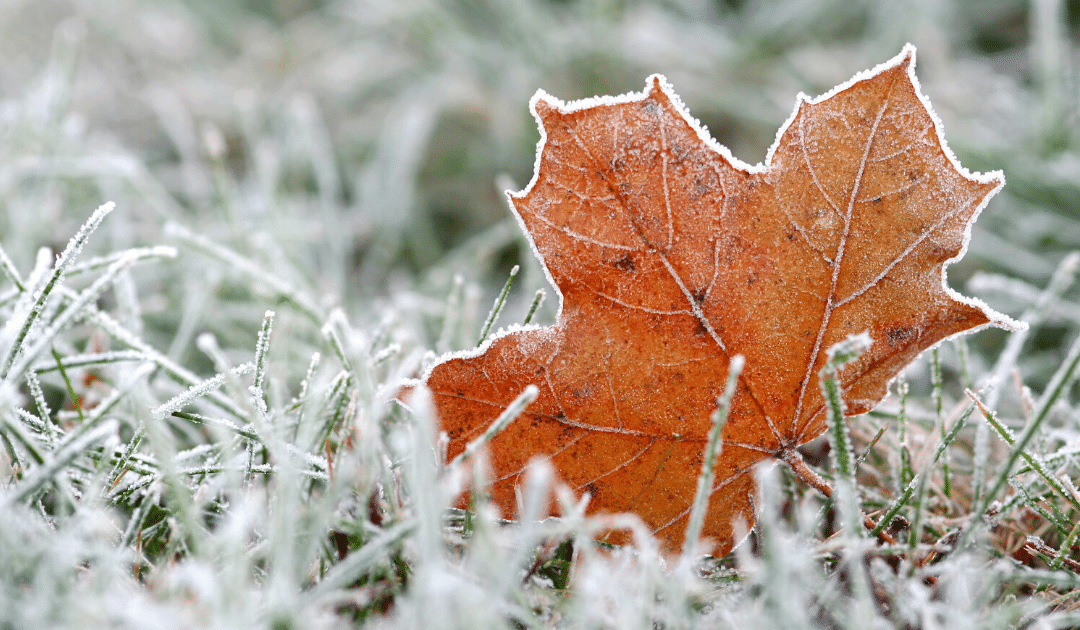
Fall is here! The leaving are changing colors and soon the temperature will drop, but is your home ready for the cooler weather?
Follow our 10 indoor and outdoor tips below to help get your house ready for the winter months ahead.
Indoor:
Use Heavy Duty Drapes – Replacing your regular curtains with thermal drapes will help keep your home nice and warm.
Insulate Windows – Caulk and seal gaps around your windows to prevent cold air from leaking in.
Check Your Heating System – Change your filters and have an HVAC contractor come out and make sure everything is running properly.
Have Your Fireplace Inspected – Have your chimney cleaned once a year by a professional before you use it. They will check for any cracks and clean any soot build-up from the previous winter season.
Test Your Detectors – With homes all sealed up for the winter, there is a much greater chance for carbon monoxide to build up in your home. Make sure all detectors have new batteries and are working properly.
Outdoor:
Check Your Roof – Before the snow and ice, make sure your roof is damage-free and there are no shingles that are missing or loose.
Add Mulch to the Landscaping – Protecting your plants and landscaping from the harsh winter weather by adding a few additional layers of mulch.
Clean Out Your Gutters – Fall leaves and debris can accumulate in your gutters and make it impossible for water, snow, and melting ice to pass through. That is why it is important to clean and clear them out a few times a year.
Trim Tree Branches – Winter storms can wreak havoc on trees, especially dead limps, which can easily fall on your home with a gust of wind or snow/ice accumulation. Trim tree branches over your home and remove dead limbs.
Prep Your Lawn and Lawn Care Equipment – Fall and Spring are the best time to seed your lawn. After, be sure to apply fertilizer with winterizer. It is also a good idea to drain gas from any mower or weed eater that you will not use until the spring.
Stay warm this cool-weather season, and for more cool weather tips, check out our Fall Preparation Tips for Your Home blog here.
This article is furnished by California Casualty. We specialize in providing auto and home insurance to educators, law enforcement officers, firefighters and nurses. Get a quote at 1.866.704.8614 or www.calcas.com.