by California Casualty | Homeowners Insurance Info |
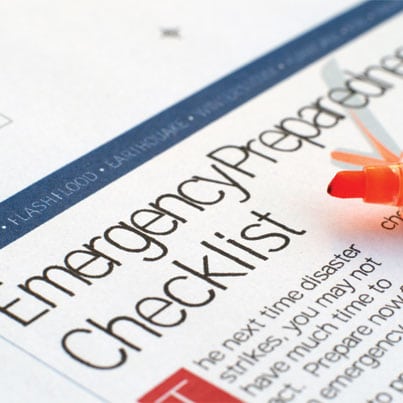
Ask anyone who has experienced a large earthquake; the experience is not fun. Walls shake, the earth rolls, and you have no control over what might happen for the next few seconds – or up to a minute – as the roller coaster continues. Californians are more aware after the recent temblor in Napa.
Now, there is more concern as the U.S. Geological Survey has expanded their maps of earthquake prone areas. The new mapping shows 42 states now facing a reasonable chance of a damaging quake within 50 years, with 16 sates facing a high risk of damaging ground movement. Those high risk states are Alaska, Arkansas, California, Hawaii, Idaho, Illinois, Kentucky, Missouri, Montana, Nevada, Oregon, South Carolina, Tennessee Utah, Washington and Wyoming.
Before a major shake “rocks your world,” Ready.gov has a comprehensive list of earthquake preparedness tips:
- Prepare an emergency kit, have an evacuation plan and determine how your family will communicate
- Fasten shelves securely to walls
- Make sure large or heavy items are on lower shelves and breakable items like bottles, glass and china are stored in low, closed cabinets with latches
- Repair defective electrical wiring or leaky gas connections and install flexible pipe fittings to avoid gas or water leaks
- Locate safe spots in each room under a sturdy table or against an inside wall
- Hold earthquake drills with your entire family
Safety is paramount after the shaking has subsided. The American Red Cross has a checklist of does and don’ts following an earthquake that include:
- Turn off water and gas main-lines to your dwelling
- Stay away from downed power lines and damaged structures
- Extinguish small fires
- Clean up spilled medications, bleach or other dangerous liquids
- Monitor updates with battery powered or hand-crank radios
- Offer help to those who might be trapped or need special assistance.
Once you are in a safe place, contact your insurance company. Keep in mind that earthquake damage is not a part of most people’s home insurance policy; separate earthquake coverage needs to be purchased. Earthquake insurance is available as an endorsement to California Casualty homeowners in California, Oregon, Missouri, Illinois, Kentucky and Rhode Island and California Casualty has partnered with GeoVera to underwrite earthquake insurance for homeowners in California, Oregon and Washington. If you need earthquake protection, call a California Casualty advisor today at 1.800.800.9410.
Sources for this article:
https://www.ready.gov/earthquakes
https://pubs.usgs.gov/of/2014/1091/
https://earthquake.usgs.gov/hazards/
https://www.redcross.org/prepare/disaster/earthquake
by California Casualty | Nurses |
So, you want to be an Emergency Room nurse – that’s where all the action is, right?
That may be true but Kyleigh Roessner RN-BSN has this list of the 5 Craziest (and True) Things you might encounter in the ER:
1. Foreign bodies (things found inserted in the human body)
2. Tragic examples of homelessness and destitution
3. The “ick” factor
4. Complex mental conditions and disorders
5. Chronic repeats

We will leave the descriptions of the above for you to read here.
What is the craziest thing you have seen in the ER?
We would love to hear about it. Share with us below!
Read Kyleigh’s article here,
by California Casualty | Safety |

Think about how many things you do using your smartphone, your laptop and your tablet. Whether it’s banking, checking on your child’s grades or shopping for new clothing, your passwords, accounts and other information are vulnerable. Now, there are two new warnings about security breaches involving computers and cell phones that highlight the real threat of criminals trying to steal our personal information.
Reuters is reporting that 90 percent of the world’s smartphones are at risk of password theft, stolen data and even allowing hackers to take over control of the device. The flaw affects Apple, Google Android and Blackberry devices prone to an obscure industry standard that controls everything from network connections to how user identities are managed. A separate threat, called “Fake ID,” targets three-quarters of older Android systems, allowing malicious applications to trick trusted software from Adobe, Google and others without any user notification.
And, if that’s not enough bad news, the New York Times recently ran an expose of a suspected Russian crime ring that may have stolen internet credentials, including 1.2 billion user names and password combinations, scoured from 420,000 websites. The criminals targeted any website they could hack from giant corporations to small businesses.
There are steps you can take to protect your personal information. The U.S. Federal Trade Commission is actively involved in ID theft protection. Some of their recommendations include:
- Lock your financial documents and records in a safe place at home
- Keep our wallet or purse in a safe place at work
- Shred all receipts, credit card offers and applications, insurance forms, physician statements, bank statements and other financial documents
- Don’t open files, click on links or download programs sent by strangers
- Use complex passwords on computers, laptops and websites and change them often
Credit experts like ID Theft 911 also advise consumers to check your bank statement weekly, request a receipt for any purchase you make and run a free credit check annually.
An extra sense of security comes with every auto and home insurance policy from California Casualty: Free ID theft protection and resolution services from ID Theft 911. Make sure your property and identity are protected by calling a California Casualty advisor today, 1.800.800.9410.
Sources for this article:
https://www.consumer.ftc.gov/features/feature-0014-identity-theft
https://www.reuters.com/article/2014/07/31/us-mobilephone-cybersecurity-idUSKBN0G01RI20140731
https://idt911.com/en/KnowledgeCenter.aspx
https://thehackernews.com/2014/07/android-fake-id-vulnerability-allows_29.html
https://finance.yahoo.com/news/russian-gang-amasses-over-billion-201533714.html
by California Casualty | Auto Insurance Info, Homeowners Insurance Info |
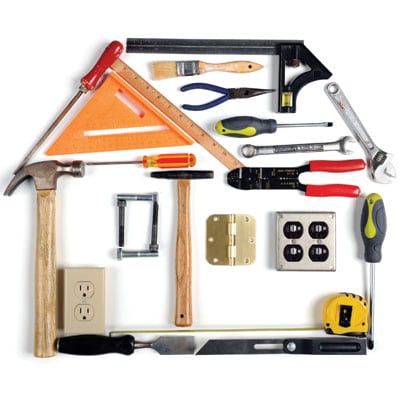
From pulling weeds to cleaning floors, it seems that work around the house never ends, but it’s a lot easier to tackle before winter storms and cold weather move in. As we enjoy the last few months of summer, now is a good time to do maintenance that will prevent damage, prepare your home for winter, and add lasting value.
These mid-summer home maintenance tips are courtesy of MSN Real Estate:
- Do an energy audit and start fixing insulation and cracks
- Insulate hot water pipes
- Clean patio furniture
- Scrub your concrete
- Patch concrete and asphalt cracks
- Prune or remove problem trees and shrubs
- Clean exhaust fans
- Fix the fence
- Make your landscaping “critter proof”(deer, rabbits and other animals can cause thousands of dollars of damage to your plants and trees)
Doing regular maintenance can not only protect your home, but it can enhance the value of your largest investment. Most realtors and home repair experts say simple projects can add thousands of dollars to your home’s worth. Wikihow.com is a great resource with tips that give the best payback:
- Clean and reduce the clutter around your home
- Spruce up your yard
- Repaint the interior and exterior
- Upgrade your lighting and light switches
- Add wood trim
Don’t forget another vital piece to preserving your home and all the things that come with it; insurance. Now is the time to get a home insurance update and policy comparison to make sure your precious items are fully covered at the best value. Have you made improvements that could land you big discounts? Don’t forget that bundling your auto and home can offer big savings. Call a California Casualty advisor today for a no hassle policy review at 1.800.800.9410.
Sources for this article.
by California Casualty | News |

There’s excitement and anticipation associated with relocating to a new place to live; you get to pick the paint colors you love, maybe there is a new yard to plan and that extra room you always wanted. If you are preparing for a new home or apartment, you are not alone; the U.S. Census Bureau finds almost 36 million people moved to a new residence between 2012 and 2013. The reason for most was to find a new place to live, followed by relocation for a new job. No matter the reason, preparing for a moving adventure can be a stressful experience.
Here are some helpful packing tips that will make the move easier, from the article 17 Packing Hacks that Will Transform Your Next Move:
- Open all lotions, sprays and gels, place a layer of plastic wrap over the opening before putting the cap back on to prevent messy and costly spills
- Use a garbage bag liner in a box with numerous small items that could break; it will make clean up much easier
- Put necessities in a small suitcase or tote so they will be easy to find when you arrive at the new place
- Keep clothes on hangers, zip tie them together and wrap them in plastic for easier transition into a new closet
- Put fitted sheets on both sides of a mattress to protect it
- Plastic foam plates between breakable dinnerware is better protection than newspaper
- Potholders can be used as knife holders
- Pack bottles of wine in kids pool floaties to keep them from breaking
- Label your cords with duct tape with the name of the corresponding appliance for hassle free matching
- Pack books in suitcases
The time of year you move can save you money. In 2008, July passed June as the most popular month to move. November was the slowest time, meaning more room for price negotiation.
Mayflower.com has a list of 10 essentials most often forgotten in a move. Did you remember?
- To get copies of your family’s medical records and veterinary records for your pets, as well as copies of prescriptions you may need to transfer
- An official copy of your child’s school records (needed to enroll them into a new school)
- Valuables you had hidden around the house (jewelry, stamps, coins)
- Important phone numbers and email addresses
- The items you may have taken to the cleaners but hadn’t picked up yet (or the watch at the repair shop)
- A copy of your new address
- To leave some cleaning supplies for the after move clean up
- To leave the garage door opener – many people forget to take the out of their vehicles
- To open a checking account in your new city a month prior to the move
- To gather all the keys to the house you have hidden or given to neighbors and friends
Keep in mind there are other expenses to consider: hotels, meals out and establishing utilities, internet and cable or satellite TV at your new location. Moving.com calculated that people spend more money during the three months around the time of their move than non-movers spend in five years. When all is said and done, relocating homeowners spent as much as $10,000 on furniture and accessories, apartment dwellers around $4,000.
Insurance is also an essential part of your move! While most renters and home insurance will cover your items during a move, very few provide coverage while your goods are in transit. It’s recommended that you purchase insurance from a moving company to protect your items from point A to point B.
You will also need to contact your California Casualty representative BEFORE-hand to get the appropriate coverage on your new dwelling.
Make sure you get the best value in protecting your home and the valuables inside. Contact a California Casualty advisor for a homeowner or renter policy review at 1.800.800.9410.
Sources for this article:
https://www.mymovingreviews.com/move/moving-statistics
https://www.moving.com/about-us/index.asp
https://www.hampdenmoving.com/forgotten-items.html