
Your tires do a lot more than roll you from point A to point B. They keep you safe, improve fuel efficiency, and make every drive smoother and quieter. Yet terms like rotation, alignment, and balancing often sound like auto shop jargon best left to the pros. In this Tires 101 guide, we break down what these services really mean, why they matter, and how a little tire care can go a long way toward protecting your vehicle — and your wallet.
Tire Rotation
What is tire rotation?
Tire rotation is the practice of moving your tires to different positions on your vehicle — front to back, side to side, or diagonally — so they wear more evenly over time. Because each tire position experiences different forces, rotation helps distribute that wear instead of allowing one tire to do all the hard work.
Why tire rotation matters
Even tread wear means longer-lasting tires, better traction, and a smoother ride. Rotating your tires also helps maintain predictable handling and braking, especially in wet or slippery conditions. As a bonus, evenly worn tires roll more efficiently, which can help improve fuel economy.
What happens when you skip rotation
When tires are not rotated, they wear unevenly and wear out faster — sometimes thousands of miles sooner than expected. Front tires, in particular, tend to wear more quickly on most vehicles because they handle the bulk of steering, braking, and acceleration. Over time, uneven wear can lead to noise, vibration, and reduced grip on the road.
How often rotation is needed
Most vehicles benefit from tire rotation every 5,000 to 8,000 miles, or as recommended by your vehicle’s manufacturer. Many drivers pair tire rotation with routine oil changes, making it easy to remember and stay consistent.
How rotation is done
The rotation pattern depends on several factors: your vehicle’s drive system (front-, rear-, or all-wheel drive), whether your tires are directional, and whether the front and rear tires are the same size.
- Front-Wheel Drive (FWD): Front tires move straight back; rear tires move to the front and switch sides.
- Rear-Wheel or All-Wheel Drive (RWD/AWD): Rear tires move straight forward; front tires move to the back and switch sides.
- Directional Tires: Designed to roll in one direction only, these tires can move front to back but must stay on the same side.
- Staggered or high-performance setups: If front and rear tires are different sizes, they are typically rotated side to side only.
Pro Tip: If you have a full-size spare that matches your other tires, ask whether it can be included in the rotation to keep it in good condition and ready for use.
Tire Alignment
What is tire alignment?
Tire alignment — also called wheel alignment — ensures your wheels are perpendicular to the ground and parallel to each other. Alignment involves adjusting the angles of the wheels, so they point straight ahead and make optimal contact with the road.
Why tire alignment matters
Proper alignment helps your vehicle drive straight, handle predictably, and wear tires evenly. When your wheels are aligned correctly, your steering feels more responsive, your ride is smoother, and your tires last longer.
What happens when alignment is off
Misaligned wheels can cause tires to wear unevenly or prematurely. You may notice your vehicle pulling to one side, your steering wheel sitting off-center, or increased rolling resistance that forces your engine to work harder. Over time, poor alignment can reduce fuel efficiency, increase stopping distances in emergencies, and even cause steering wheel vibration.
How often alignment is needed
A good rule of thumb is to have your alignment checked once a year or every 10,000 to 15,000 miles. You may also need an alignment after hitting potholes, curbs, or other road hazards — or anytime your vehicle doesn’t feel quite right.
How alignment is done
Alignment adjustments are made to your vehicle’s suspension system, not the tires themselves. Technicians fine-tune three key angles:
- Toe: The degree to which tires point inward or outward when viewed from above.
- Camber: The inward or outward tilt of the tire when viewed from the front of the vehicle.
- Caster: The forward or backward tilt of the steering axis when viewed from the side.
Together, these adjustments ensure your wheels work in harmony rather than fighting against one another.
Tire Balancing
What is tire balancing?
Tire balancing ensures that the weight of each tire and wheel assembly is evenly distributed around the entire circumference. Proper balance allows your wheels to spin smoothly without vibration.
Why tire balancing matters
Balanced tires improve ride comfort, reduce vibration, and help your tires wear evenly. They also minimize stress on your suspension and steering components, contributing to better overall vehicle performance.
What happens when tires are unbalanced
When a tire has a heavy spot, it can wobble as it spins, causing noticeable vibrations, especially at highway speeds. Unbalanced tires may lose consistent contact with the road, leading to uneven tread wear and shortened tire life. Over time, this imbalance can also strain suspension and steering parts.
How often balancing is needed
Tires should be balanced every 6,000 to 8,000 miles, typically at the same time they are rotated. Balancing is also recommended whenever you install new tires or notice unusual vibrations.
How balancing is done
A technician mounts the tire and wheel assembly on a computerized balancing machine that detects weight imbalances. Based on the machine’s readings, small lead, zinc, or steel weights — either clip-on or adhesive — are placed on the wheel rim. The tire is then re-spun to confirm that the weight is evenly distributed.
General Tire Care
Keeping your tires in good shape goes beyond rotation, alignment, and balancing. Regular inspections and proper inflation play a critical role in tire safety and longevity.
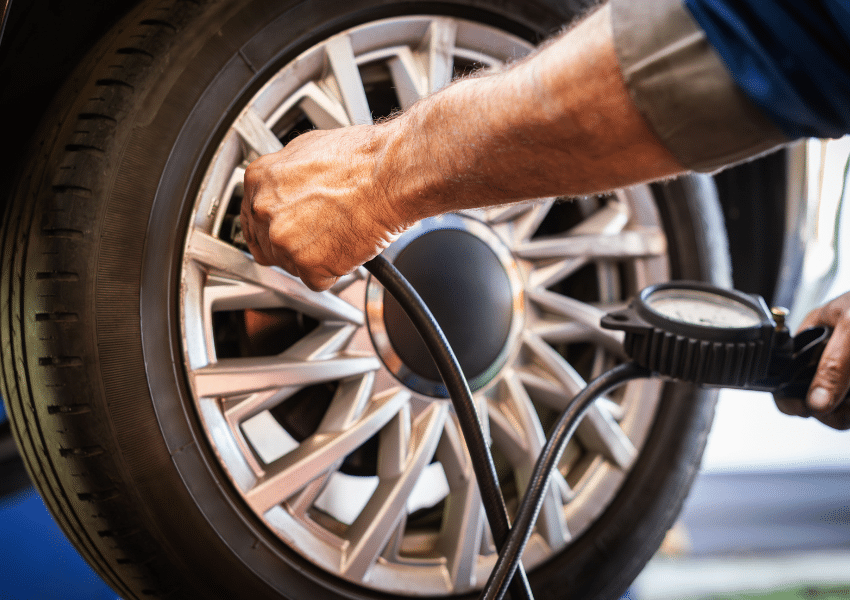
Check tire pressure regularly using a gauge, ideally when tires are cold — meaning they haven’t been driven for at least three hours. The correct pressure can be found in your owner’s manual or on the sticker inside the driver’s side door.
- Underinflated tires generate excess heat and stress, leading to irregular wear and increased risk of failure.
- Overinflated tires are more susceptible to punctures and road damage.
It’s also wise to visually inspect your tires for cuts, cracks, bulges, or embedded objects so small issues can be addressed before they become major problems.
Finally, make sure your vehicle is fully insured for added peace of mind.
Safe travels from all of us at California Casualty.
This article is furnished by California Casualty, providing auto and home insurance to educators, law enforcement officers, firefighters, and nurses. Get a quote at 1.866.704.8614 or www.calcas.com.

- Surprising Careers for EMTs - February 27, 2026
- How to Properly Pack Your Fridge - February 24, 2026
- Staying in Control with Driver Assist - February 13, 2026