
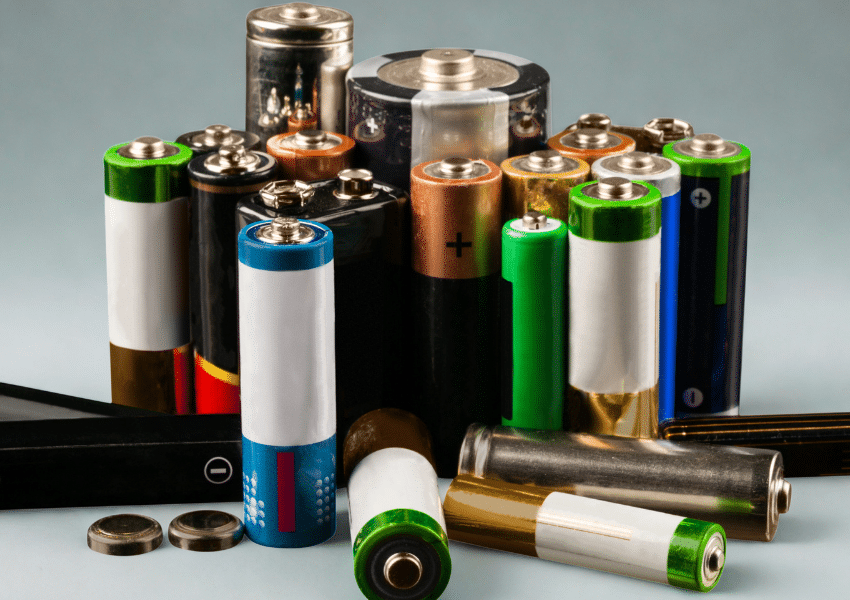
Batteries power so much of our daily lives — phones, flashlights, toys, tools — and yet when they die, most of us don’t give them a second thought. Trash can? Recycling bin? Junk drawer, forever? The truth is that improper battery disposal can be dangerous for the environment and even a fire risk. Let’s break down the right way to dispose of batteries to keep everyone safe.
Why Battery Disposal Matters
Not all batteries are created equal. They are made from different metals and chemicals. Some contain hazardous materials like mercury, lead, nickel, and cadmium — substances that can leak into soil and water if sent to a landfill. Other batteries contain valuable materials, such as lithium and cobalt, that are costly and difficult to replace. Proper recycling keeps these materials in circulation.
Types of Batteries
Non-Mercury Alkaline and Zinc Carbon Batteries
These are the most common household batteries — A, AA, AAA, C, D, and 9-volt — used in items like toys, flashlights, and remote controls. Earlier versions of these batteries – made before 1996 – contained mercury and therefore required hazardous disposal precautions. But now these general-purpose batteries may be placed in the regular trash if your local municipality allows it.
Disposal:
- General trash if your town/state allow it*
- Recycling options at stores like Home Depot, Lowe’s and Staples
- Do not toss multiple batteries together, as any remaining charge can cause them to spark and potentially start a fire.
*Note: In states like California, it is illegal to throw any type of battery in the trash.
Mercury Batteries
Mercury and silver-oxide batteries often are found in small electronics, such as single-use button cells in watches, cameras, and hearing aids. Older general use batteries manufactured before 1996 also fall into this category. These batteries contain heavy metals and must be handled by professionals.
Disposal:
- Tape terminals before recycling to limit danger of an errant charge. Use clear packing tape, electrical tape or duct tape so it won’t easily peel off. If tape isn’t clear, make sure the type of battery and brand is visible.
- Household hazardous waste disposal per your local municipality
- Recycling options at retailers like Home Depot, Lowe’s and Staples
- Mail-in kits are available at companies like the Battery Network (formerly Call2Recycle).
Rechargeable Batteries
Rechargeable batteries come in many shapes and sizes. While they sometimes look like regular alkaline batteries, they require special hazardous disposal. These batteries contain heavy metals and must always be recycled, never thrown in the trash.
Types:
- Lithium-ion (Li-ion): Found in phones, laptops, and many electronics; can spark or catch fire if damaged
- Nickel-cadmium (NiCd): Often used in cordless power tools, phones, digital cameras, and medical equipment; cadmium is highly toxic
- Nickel-metal hydride (Ni-MH): Commonly found in power tools, digital cameras, and gaming controllers
- Small-sealed lead acid (SSLA/Pb): Used in mobility scooters, children’s ride-on toys, emergency lighting, and hospital equipment
Disposal:
- Individually bag batteries before bringing them to a hazardous recycling site.
- Alternatively, tape terminals before recycling to limit danger of an errant charge. Use clear packing tape, electrical tape or duct tape so it won’t easily peel off. If tape isn’t clear, make sure the type of battery and brand is visible.
- Household hazardous waste disposal per your local municipality
- Recycling options at retailers like Home Depot, Lowe’s and Staples
- Mail-in kits are available at companies like the Battery Network (formerly Call2Recycle).
Lead Acid Batteries
Lead acid batteries are commonly found in cars, boats, motorcycles, golf carts, and lawn mowers. These batteries contain sulfuric acid and lead and should be handled with care. They should always be professionally recycled. The good news is that almost all the materials (lead, plastic, and acid) can be reclaimed and recycled to make new batteries.
Disposal:
- Many auto repair shops and retailers, like AutoZone, accept used car batteries for recycling.
- You can also check with your town for information on safe household hazardous waste disposal.
- You may be able to find other resources at the Battery Network (formerly Call2Recycle).
EV Batteries
EV batteries are high-capacity lithium-ion batteries. As a consumer, you will likely not have to worry about handling them. They will be recycled by your auto repair shop, dealership or battery manufacturer when it is time to change them out.
Of note is that EV batteries can cause fires in electric and hybrid vehicles. This can happen if the battery is overcharged, damaged, or has a faulty design.
Disposal:
- These batteries must be recycled at a hazardous waste facility.
- Recycling fees can be part of the overall battery cost.
Battery Safety Tips
No matter the battery type, keep these safety tips in mind:
- Keep batteries away from moisture. Store them in cool, dry places.
- Use only the charger designed for your rechargeable battery. Switching to other chargers can create a fire risk.
- Never burn batteries. They can explode when exposed to fire.
- Watch for damage. Swollen or leaking batteries should be handled with caution. Place the damaged battery in a nonflammable material such as sand or kitty litter. Contact your local hazardous waste facility for disposal instructions.
Taking a few extra minutes to recycle or dispose of batteries correctly helps prevent fires, protects natural resources, and keeps hazardous materials out of landfills.
This article is furnished by California Casualty, providing auto and home insurance to educators, law enforcement officers, firefighters, and nurses. Get a quote at 1.866.704.8614 or www.calcas.com.

- Surprising Careers for EMTs - February 27, 2026
- How to Properly Pack Your Fridge - February 24, 2026
- Staying in Control with Driver Assist - February 13, 2026